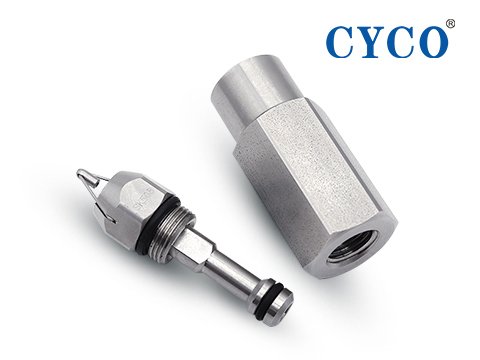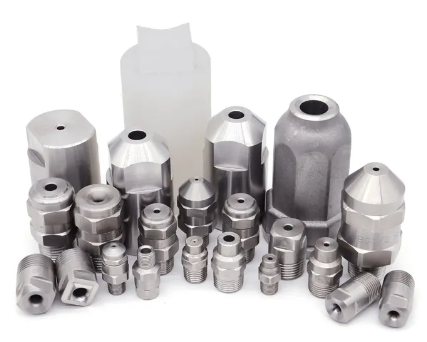
Lithium batteries have become an indispensable energy storage solution for modern life, used in a variety of applications ranging from cell phones and laptops to electric vehicles and energy storage systems.
However, lithium batteries can fail under certain circumstances and start fires. To combat this situation, scientists and engineers have developed various fire suppression technologies, one of which is the lithium battery fire extinguishing nozzle.
In this article, we will introduce the working principle of lithium battery fire extinguishing nozzle.
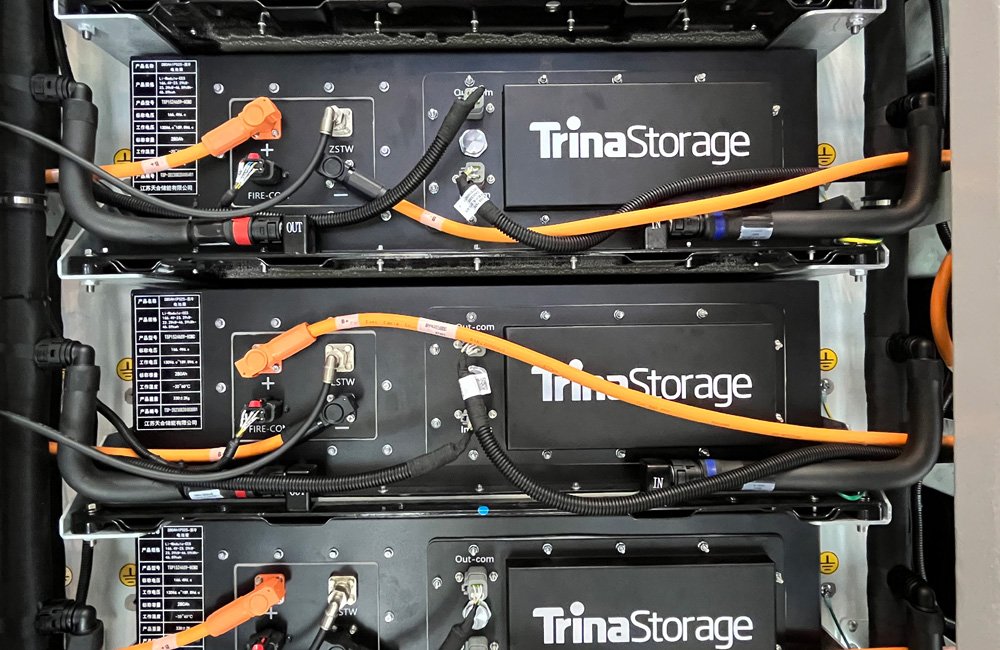
Working principle of lithium battery fire extinguishing nozzles
Detecting the source of fire
The first step in the working principle of a lithium battery fire extinguishing nozzle is to detect the source of the fire.
Usually, this process is realized through thermal sensors, which are able to detect abnormal temperature rises and possible sources of fire. Once detected, the fire extinguishing nozzle will begin to work.
Spraying the extinguishing agent
The core function of the lithium battery fire sprinkler is to spray the fire extinguishing agent to the fire source area.
This extinguishing agent is usually a special dry powder, such as nitrogen or carbon dioxide, which effectively curbs the flame. When the fire source is detected, the nozzle will release these extinguishing agents and spray them toward the fire source.
The role of extinguishing agents
Once extinguishing agents come into contact with the fire source they perform multiple functions to extinguish the flames.
First, they cool the source of the fire, lowering the temperature and weakening the fire. Second, they deprive the oxygen needed for the flame, smothering the fire. Finally, extinguishing agents will also encase the source of the fire, preventing the flames from spreading.
Preventing the fire from reburning
Once the fire has been extinguished, the lithium battery extinguishing sprinkler has another important function, which is to prevent the fire from reburning.
It keeps the area of the fire source cool by continuing to release the extinguishing agent, and often has a detection system to monitor if there is a fire source that could be re-ignited. If there is a risk of the fire re-igniting, the nozzle will continue to spray extinguishing agent to ensure that the fire does not spread.
Effects of lithium battery fire extinguishing nozzles
Lithium battery extinguishing nozzles offer a number of advantages that make them an effective fire suppression solution:
1. Rapid response: these systems can quickly detect and extinguish the source of fire in the early stages of a fire, reducing the chances of the fire spreading.
2. No damage: unlike traditional water spray systems, lithium battery extinguishing nozzles use a special extinguishing agent that causes little or no damage to the battery or equipment.
3. Wide applicability: lithium battery fire extinguishing nozzles can be applied to all sizes of equipment, from portable electronic devices to electric vehicles.
4. Safety: these systems are designed with the special fire risks of lithium batteries in mind to minimize the threat to firefighters.
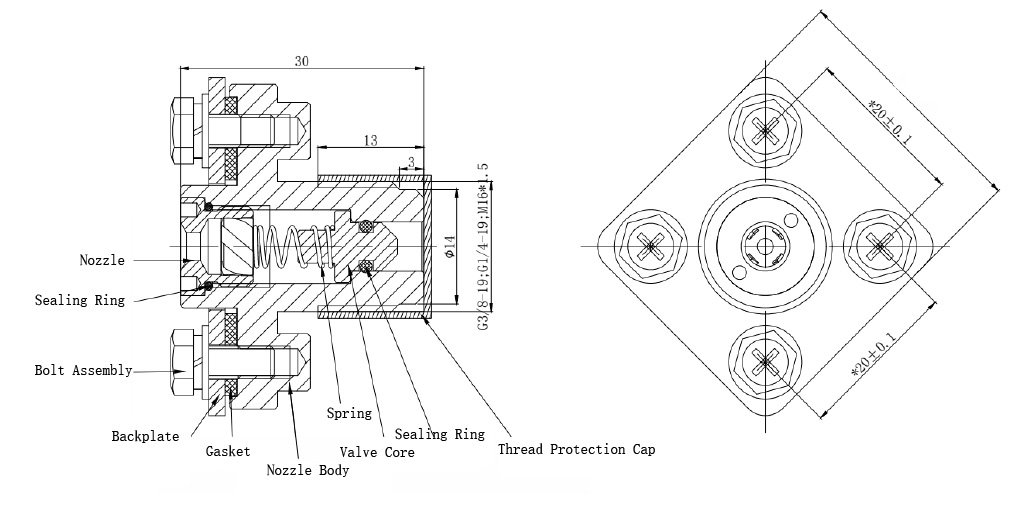
Structure of lithium battery fire extinguishing nozzles
The structural composition of the lithium battery fire extinguishing nozzle includes the following key parts:
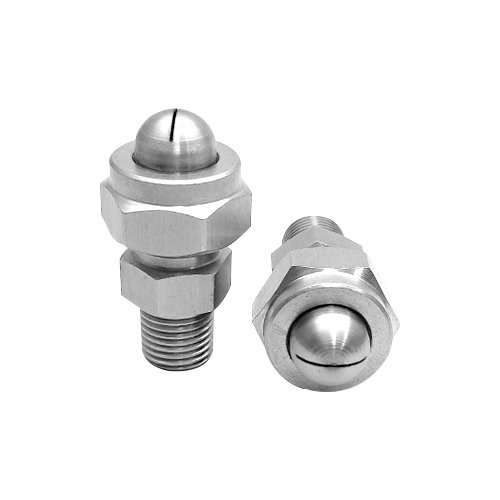
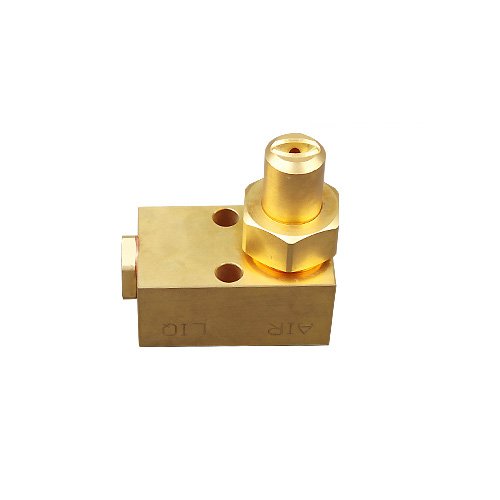
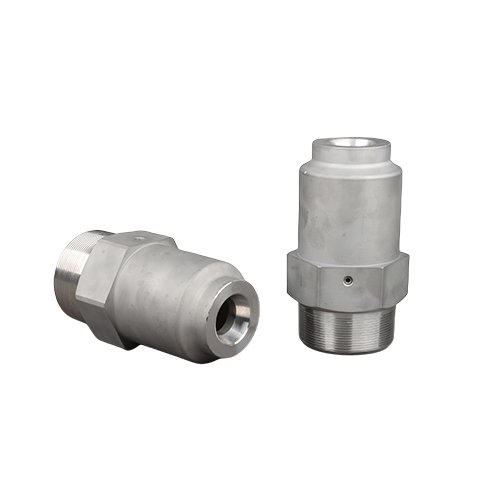
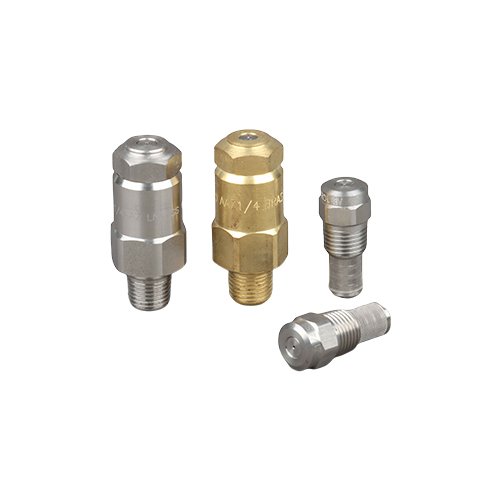
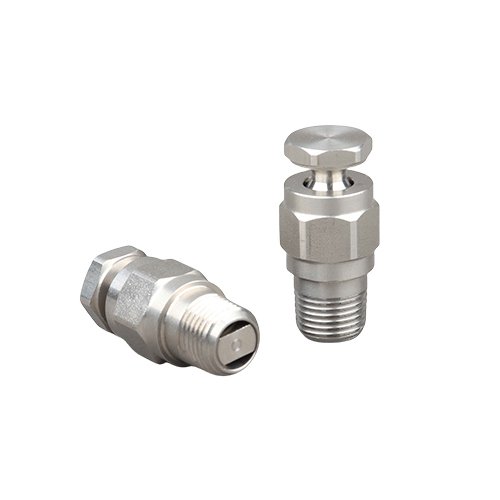
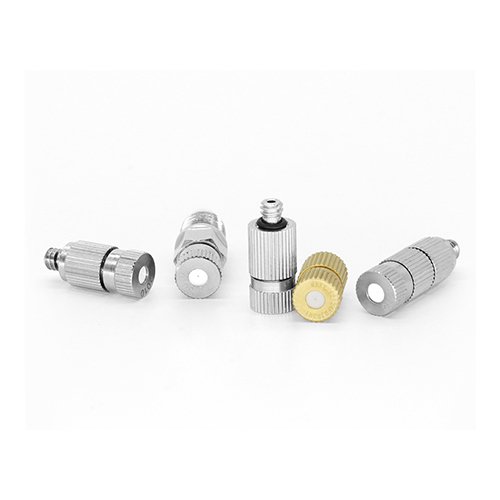
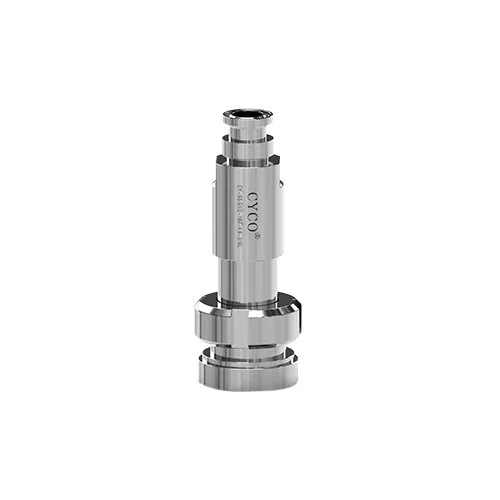
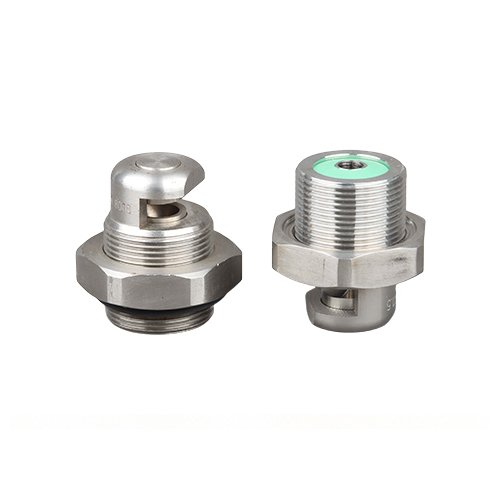
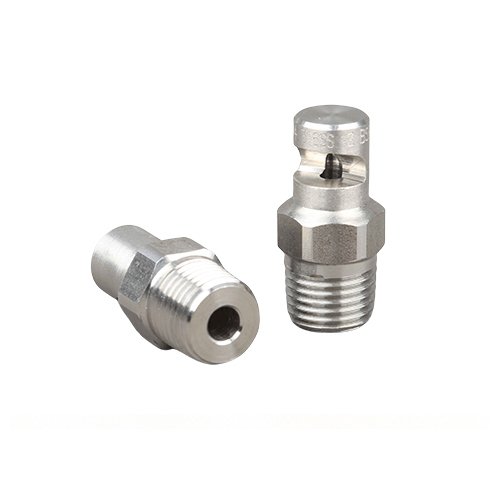
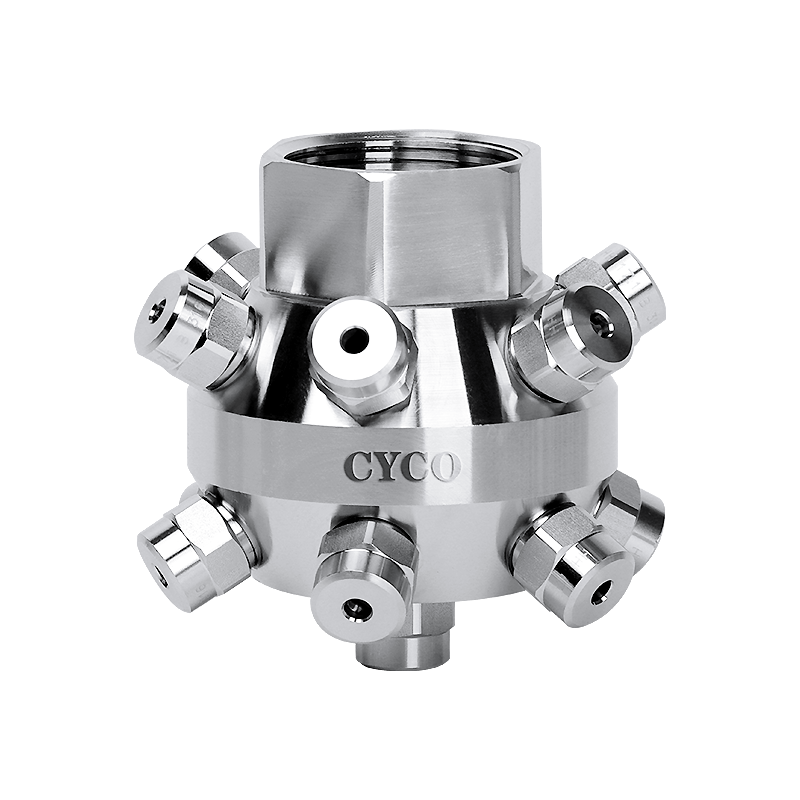
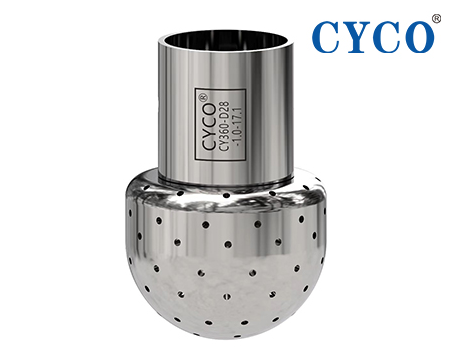
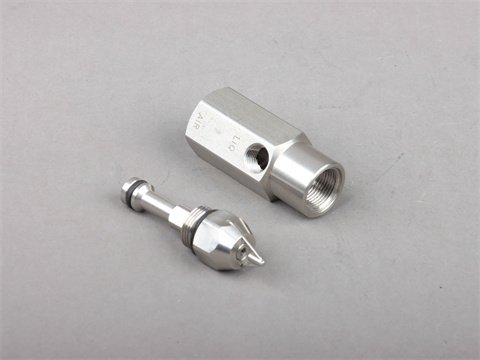
Nozzle
The center component, located at the front end of the extinguishing device, is responsible for releasing the extinguishing agent to the location of the fire source. It is usually made of high-temperature and corrosion-resistant materials to adapt to the extreme conditions that may arise from lithium battery fires.
Extinguishing agent container
A container contained inside the fire extinguishing nozzle in which the extinguishing agent is stored. This container can be a pressure vessel or other suitable design to ensure that the extinguishing agent can be quickly released when needed.
Extinguishing agent
Usually a dry powder, liquid or gas that has an extinguishing and cooling effect. Common extinguishing agents include carbon dioxide, dry powder, and gas mixtures. Depending on the specific application requirements, different types of extinguishing agents are selected to effectively extinguish the fire.
Trigger device
Capable of detecting an increase in the temperature of an ignition source or battery, once an abnormal condition is detected, the trigger device will initiate the program to release the extinguishing agent. This trigger device can be a heat sensitive element, flame detector, temperature sensor, etc..
Spraying system
Once the trigger device is activated, a spray system delivers the extinguishing agent to the nozzles to be sprayed onto the fire source. This system usually includes valves, piping, and pressure controls to ensure that the extinguishing agent is released at the proper pressure and rate.
Control system
Can be remotely controlled or manually activated as required, this allows the operator to act quickly in the event of a problem to prevent the fire from spreading.
Conclusion
In summary, a lithium battery fire extinguishing nozzle is a critical safety device used to prevent fires from occurring in lithium batteries. It works by detecting the source of the fire, spraying the extinguishing agent, lowering the temperature, depriving it of oxygen and preventing the fire from reigniting.
The use of this technology is critical to protecting people and property from the threat of lithium battery fires, making lithium battery technology safer and more reliable.