Piston cooling nozzles are an important part of modern internal combustion engines, especially in high-performance and heavy-duty engines. Pistons suffer extremely high temperatures and pressures during operation and must be effectively cooled to ensure stable engine operation and long service life. Piston cooling nozzles are a key component in achieving this goal.

Structure of Piston Cooling Nozzle
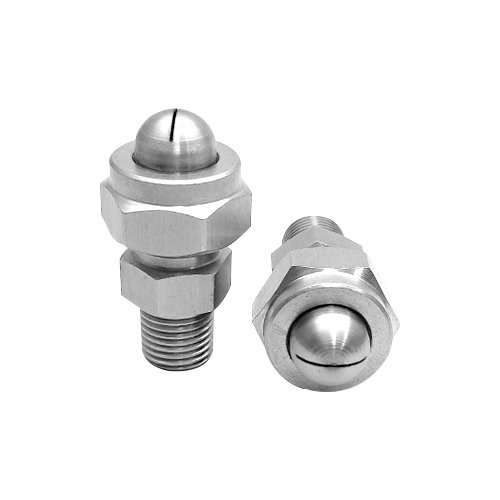
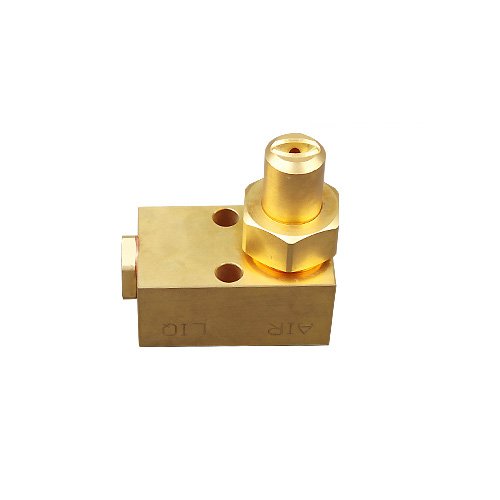
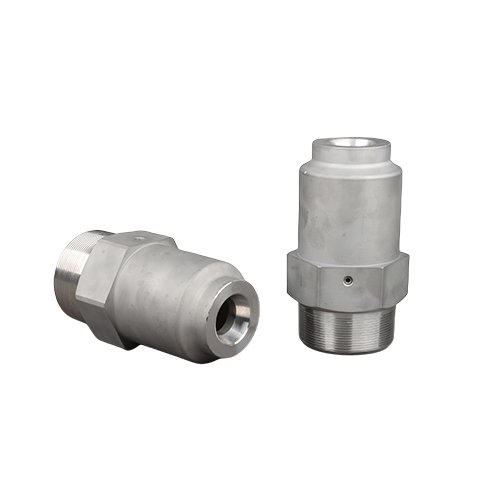
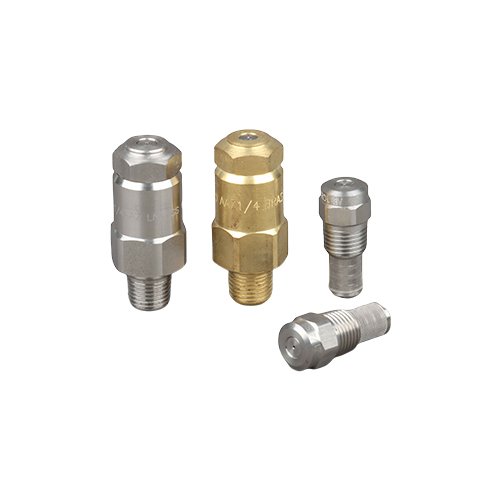
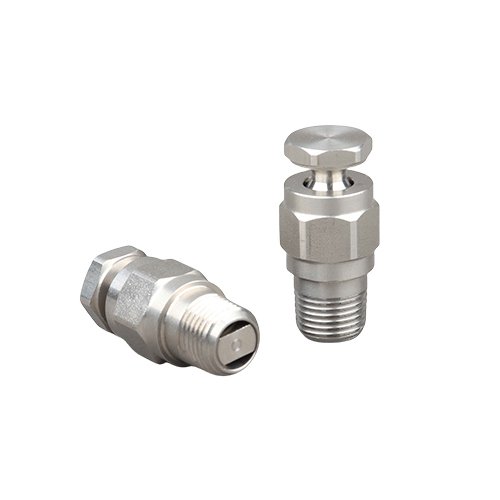
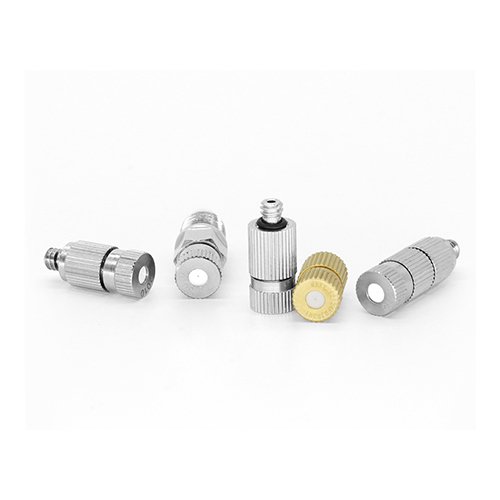
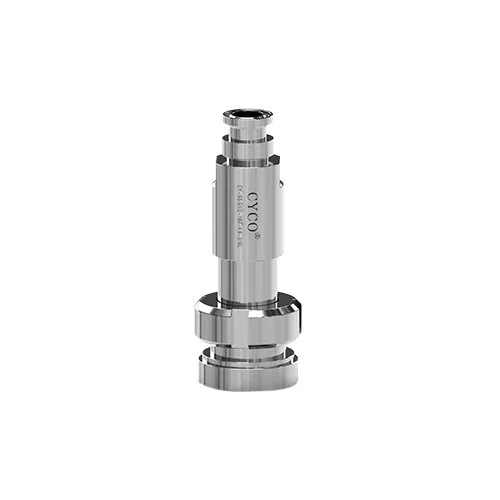
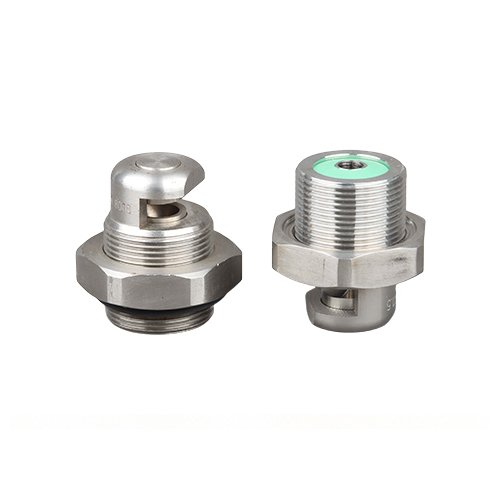
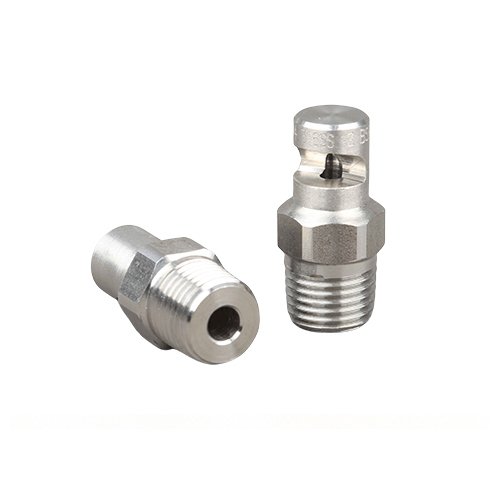
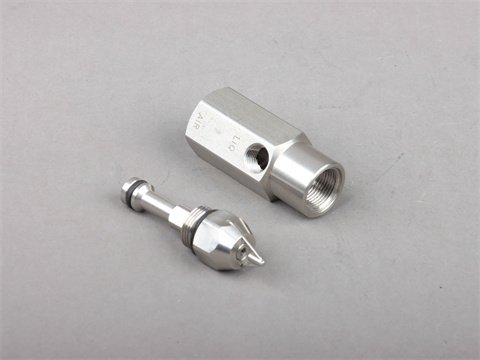
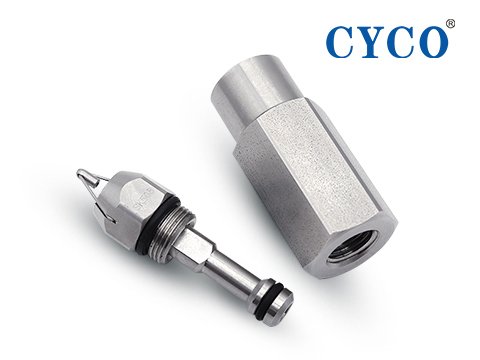
Usually consists of a nozzle body, nozzle hole and seals. The nozzle body is the part that is mounted on the engine block or head, and the nozzle hole is the passage that directs the coolant to the back of the piston. The seals ensure that the coolant will not leak during transmission.
Working Principle of Piston Cooling Nozzle
The working principle of the piston cooling nozzle is mainly based on fluid dynamics and thermodynamics.
When the engine is running, coolant (usually a mixture of water and glycol) is pumped into the cooling system. The piston cooling nozzle directs the coolant to the back of the piston by precisely controlling its flow and direction.
The coolant is ejected through the nozzle holes at a rate and pressure that creates a thin film covering the back of the piston. This film absorbs and carries away a large amount of heat generated by the piston, lowering the piston temperature. At the same time, the coolant also plays a lubricating role, reducing the friction between the piston and the cylinder liner.
The design of the piston cooling nozzle needs to consider the coolant flow, spray angle, spray pressure and other factors. Reasonable nozzle design can ensure that the coolant evenly covers the back of the piston to avoid localized overheating.
Role of Piston Cooling Nozzle
Piston cooling nozzle plays a vital role in internal combustion engines.
- First, it can effectively reduce the temperature of the piston and prevent the piston from deforming, melting or cracking due to high temperature.
- Second, the lubricating effect of coolant on the piston can reduce friction loss and improve engine efficiency.
- At last, the piston cooling nozzle helps to maintain the thermal balance of the internal parts of the engine to ensure the stable operation of the engine.
Summary
As a key component in the internal combustion engine, the piston cooling nozzle realizes effective cooling of the piston by precisely controlling the flow and direction of the coolant. Its working principle is based on fluid dynamics and thermodynamics. By forming a thin film of coolant covering the back of the piston, it reduces the temperature of the piston and minimizes friction losses. The design and application of piston cooling nozzles are of great significance for improving engine performance, extending service life and maintaining stable operation.