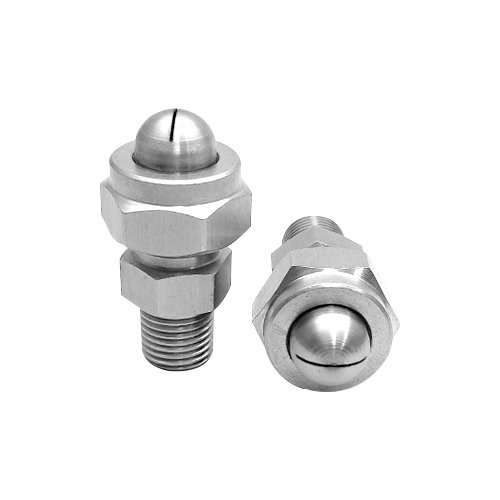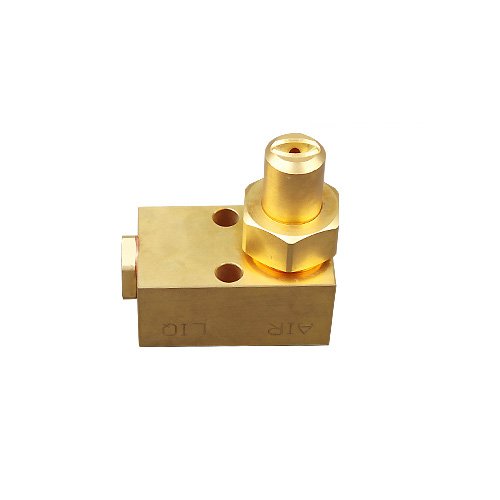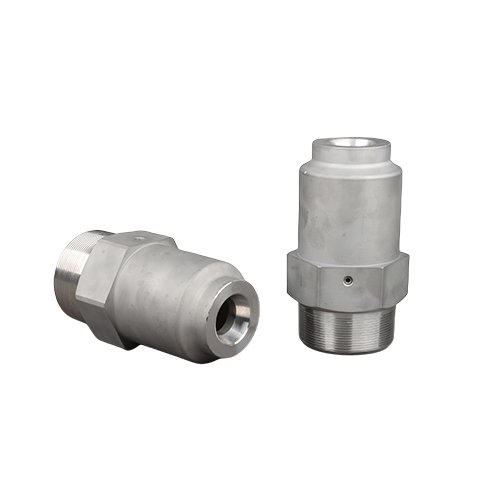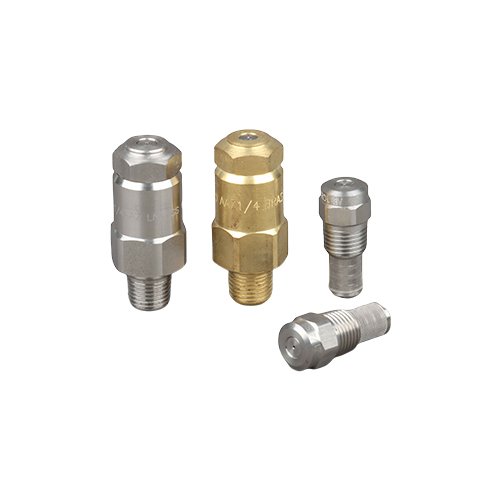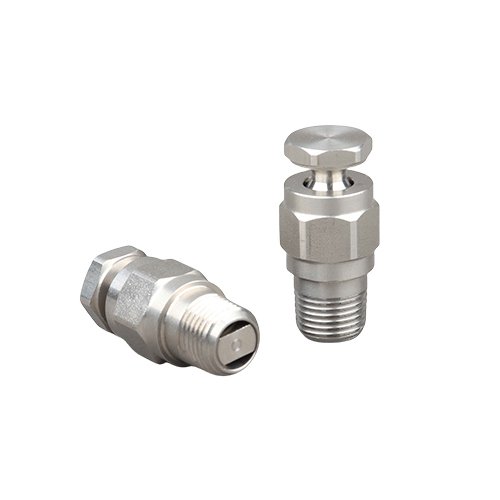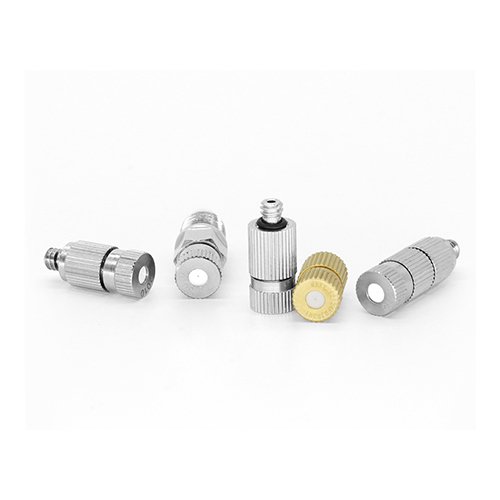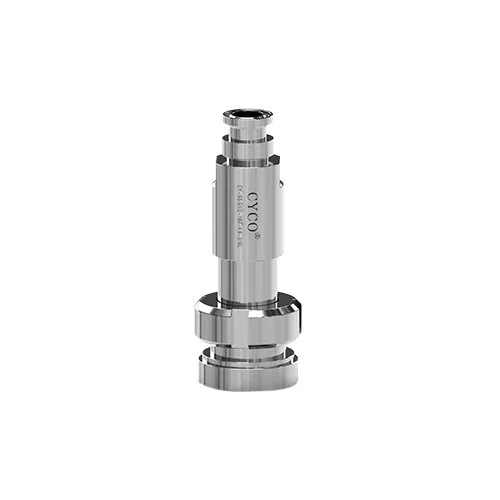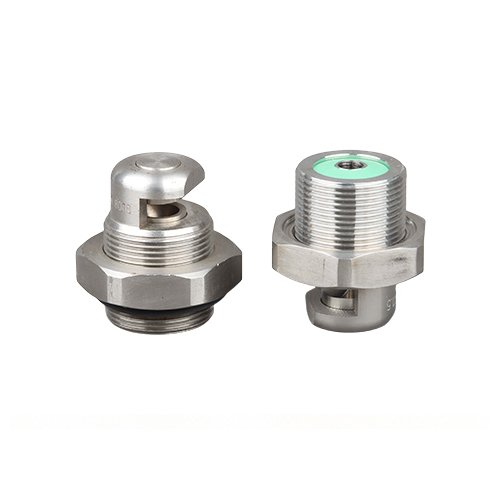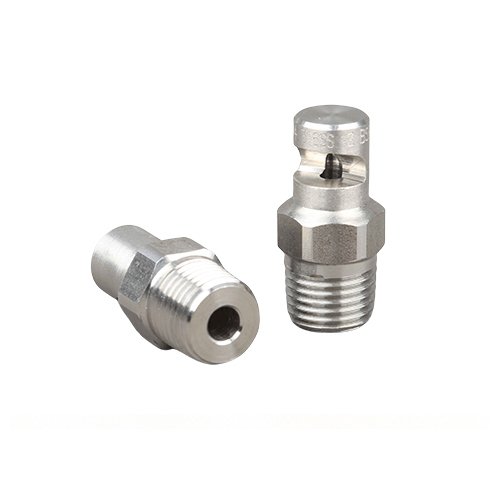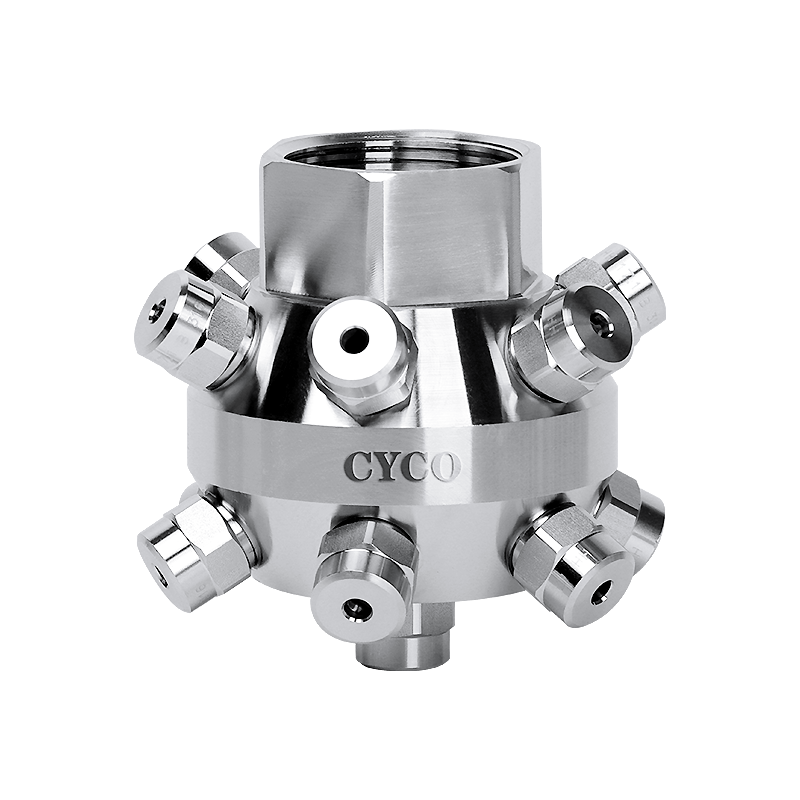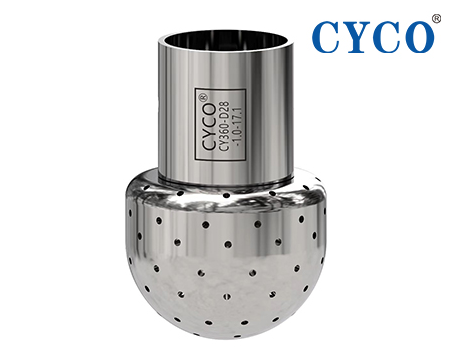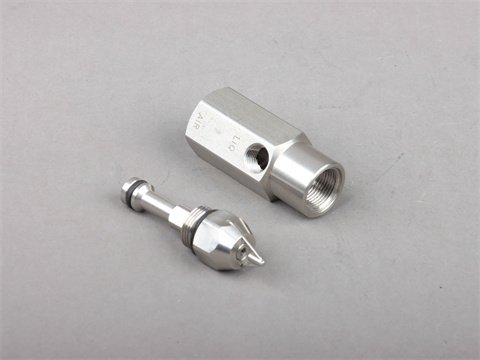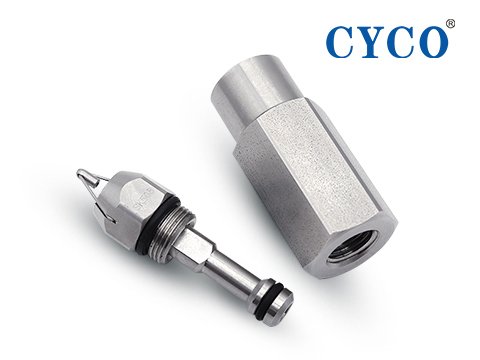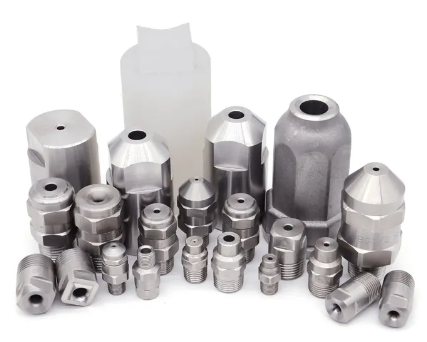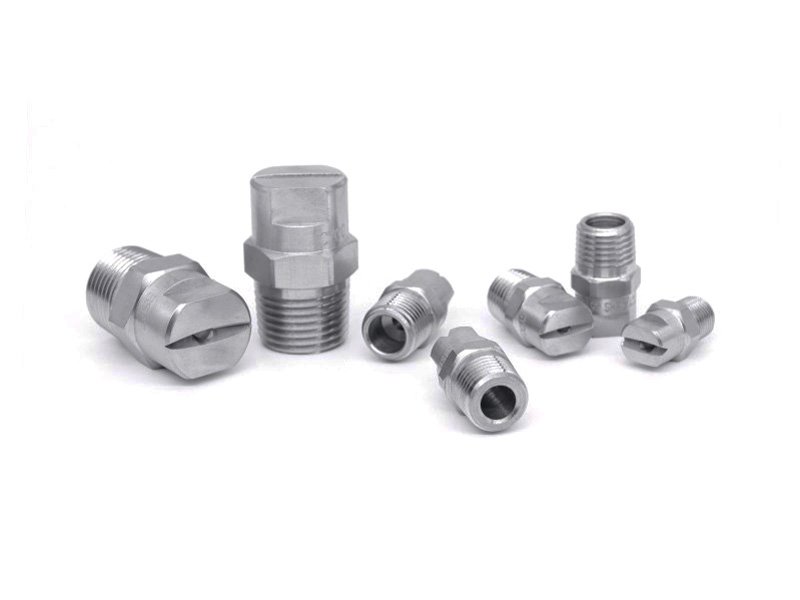
Nozzles are an integral component of many industrial and commercial applications, and the choice of nozzle material is directly related to the performance and service life of the equipment. Of the many nozzle materials available, alloy and ceramic are two common choices.
This article will explore the key differences between alloy and ceramic nozzles to help readers make an informed choice based on their needs.
| Alloy nozzles | Ceramic nozzles | |
| Materials | Stainless steel, brass and other metal alloys. | High-performance ceramic materials. |
| Merits | Good mechanical strength, wear and corrosion resistance. Able to maintain stability in harsh working environments. | Extremely high hardness and wear resistance. Ability to maintain excellent performance in high temperature, high pressure and corrosive environments. Good chemical and thermal stability. Stable spraying effect can be maintained for a long time. |
| Applications | Various industrial and commercial fields, such as spraying, cleaning, cooling and lubrication. | More suitable for special scenarios with higher performance requirements, such as high-temperature heat treatment, corrosive liquid spraying and high-precision spraying. Also frequently used in high-end manufacturing and scientific research. |
| Service life | Shorter | Longer |
| Costs | Low | High |
Summary
Alloy nozzles and ceramic nozzles each have their own advantages and application scenarios. When selecting a nozzle, the appropriate material should be determined based on the specific working environment and performance requirements.
For general industrial and commercial applications, alloy nozzles are an economical and practical choice. While for special scenarios and high performance required applications, ceramic nozzles can provide better performance and service life. At the same time, regular inspections and maintenance are essential to keep the spraying effect and prolong the service life of the nozzles.