As society continues to develop and energy demand increases, energy storage systems are emerging as a new star in the energy industry.
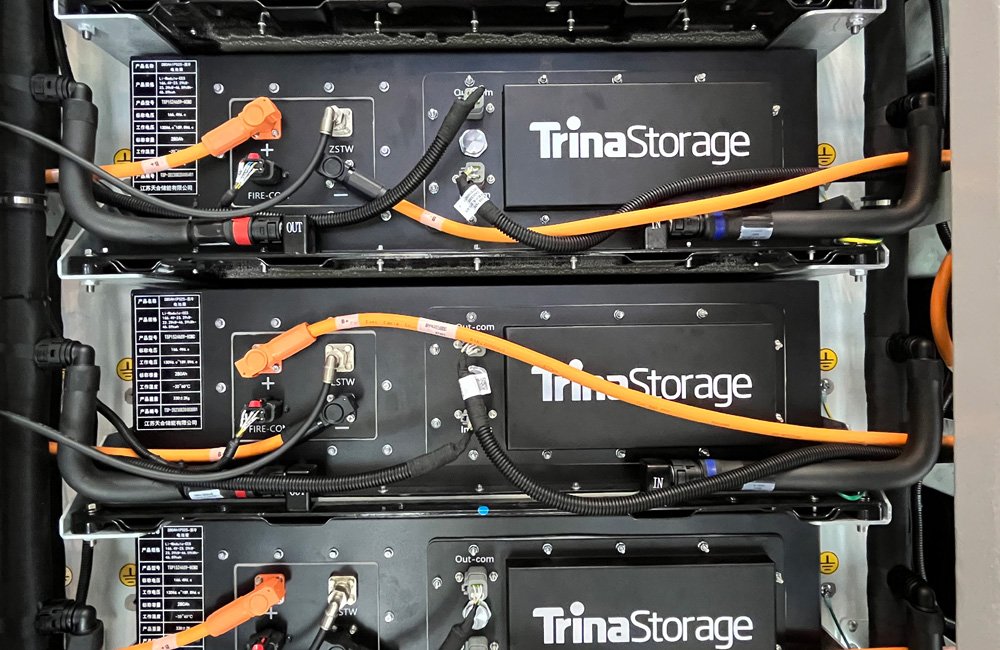
However, energy storage systems come with a series of safety hazards, one of which is the risk of fire.
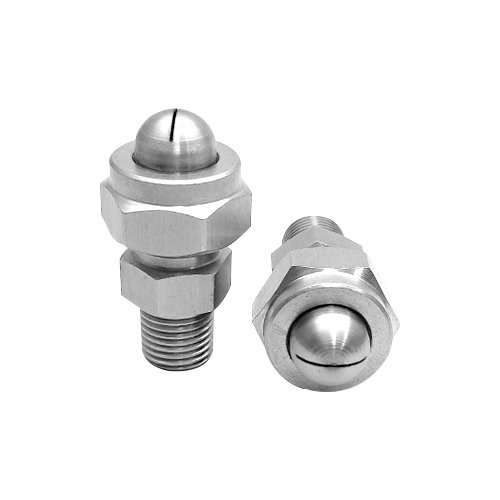
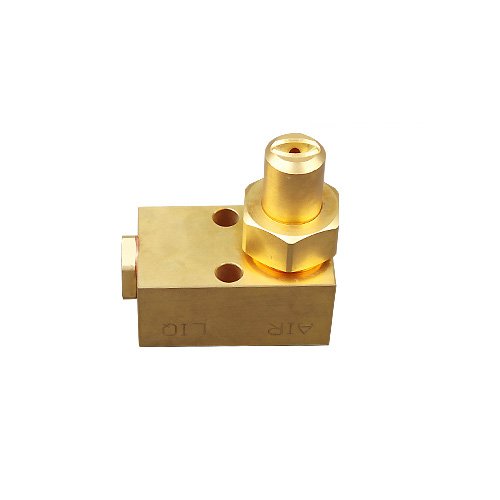
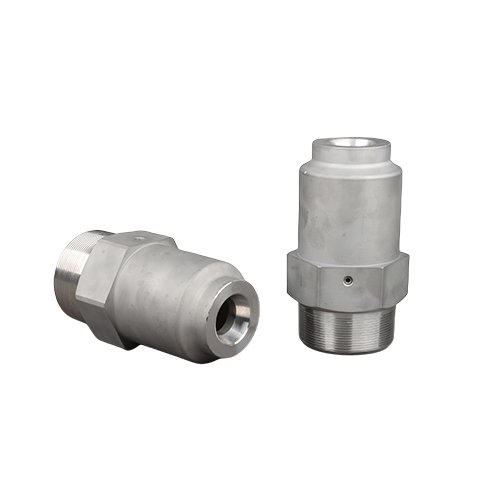
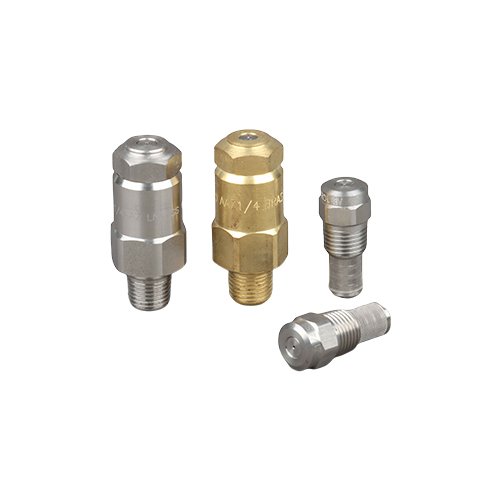
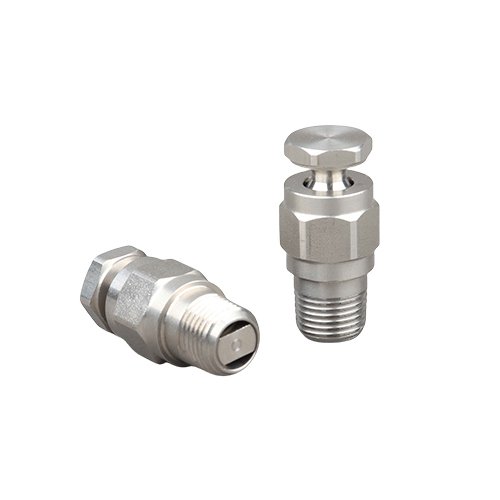
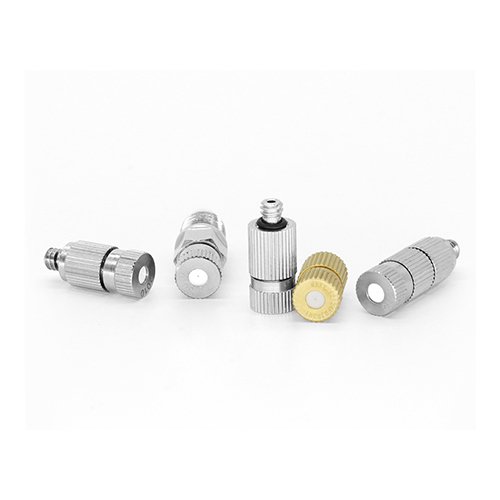
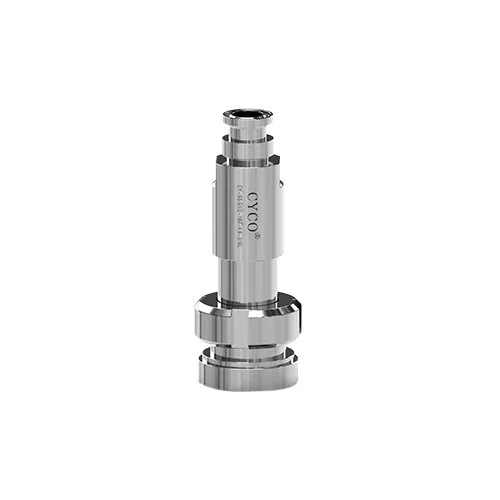
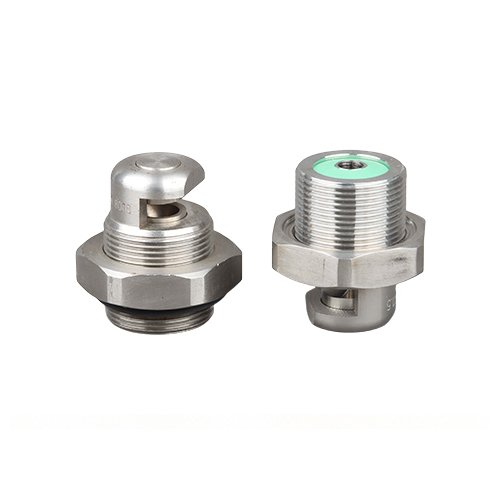
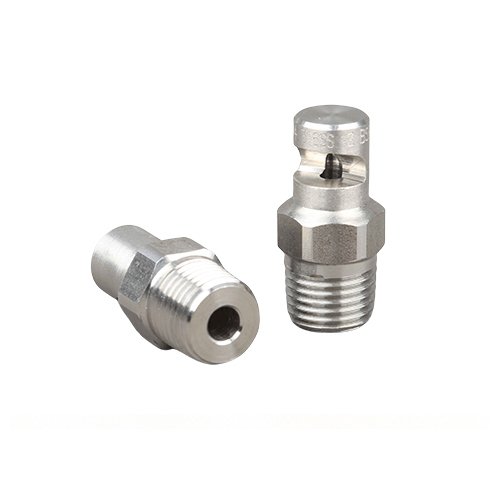
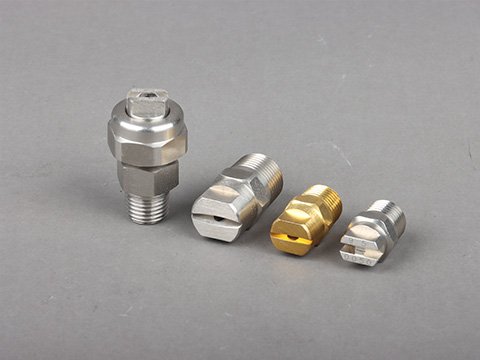
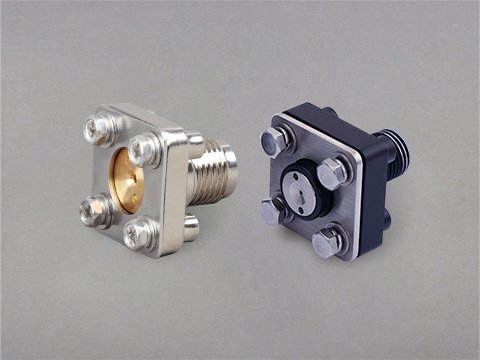
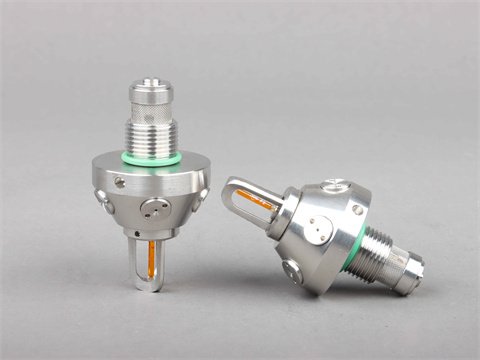
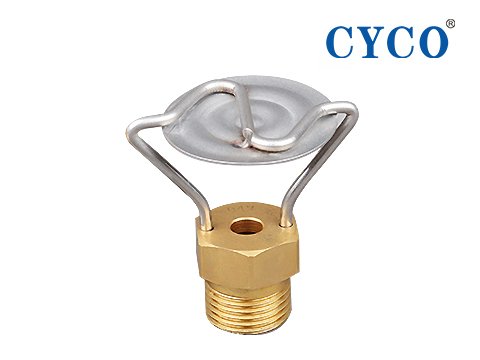
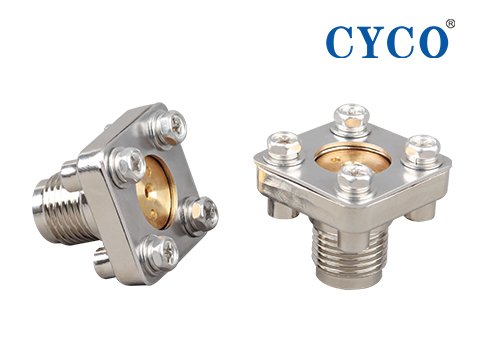
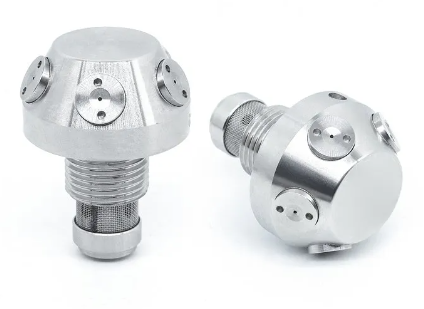
In order to deal with this challenge, energy storage fire nozzles and the use of fire extinguishing media in them have become crucial.
In this paper, we will discuss the applications, characteristics and future trends of fire extinguishing media for energy storage nozzles.
Types of fire extinguishing media for energy storage fire nozzles
Water
One of the most common extinguishing media and is widely used in fire suppression systems. However, for energy storage systems, the use of traditional water nozzles is not always the most appropriate choice, as battery fires can trigger chemical reactions. In addition, the use of water may result in damage to electrical equipment.
Dry powder
Dry powder fire extinguishing systems use dry powder extinguishing agents, such as ABC dry powder, to effectively extinguish different types of fires. Dry powder extinguishing systems are versatile and suitable for a variety of fire scenarios, including fires in energy storage systems. They are capable of extinguishing battery fires and preventing the fire from spreading, but need to be used carefully to avoid unnecessary damage to batteries and equipment.
Inert gases
A newer fire suppression technology that is gradually being used in energy storage systems. These systems use inert gases such as nitrogen, argon or a mixture of gases to extinguish the fire. The advantage of inert gases is that they do not leave a residue and as a result there is less damage to the battery and equipment. In addition, inert gases are effective in reducing the oxygen concentration so that the fire source cannot burn.
Foam
Foam fire extinguishing systems use a foam agent to extinguish fires. This system is suitable for liquid sources of ignition, such as burning liquid electrolytes, but not for ignition sources inside batteries. Foam extinguishing systems are often used in conjunction with other fire suppression systems to ensure effective extinguishment of different types of fires.
Perfluorohexanone
Extinguish flames primarily through physical cooling, in addition to oxygen isolation and chemical suppression. Perfluorohexanone fire extinguishing agent has low toxicity, non-corrosive and non-conductive characteristics, and has high safety performance for human body and equipment, without causing secondary damage to the environment and equipment.
How to select the appropriate extinguishing media
A number of factors need to be considered when selecting an extinguishing medium, including the type, size and environmental conditions of the energy storage system.
Different types of extinguishing media have their own characteristics and applicability and need to be selected on a case-by-case basis.
For smaller home energy systems, water and dry powder extinguishing systems may be suitable choices because they are affordable and easy to maintain.
For large industrial-scale energy storage systems, inert gas fire suppression systems may be more appropriate because they can efficiently extinguish fires without causing unnecessary damage to batteries and equipment.
Moreover, environmental considerations need to be taken into account. For example, the use of water in arid areas may not be a wise choice, as it may lead to water waste or environmental damage.
Environmental sustainability needs to be taken into consideration when selecting a fire extinguishing medium.