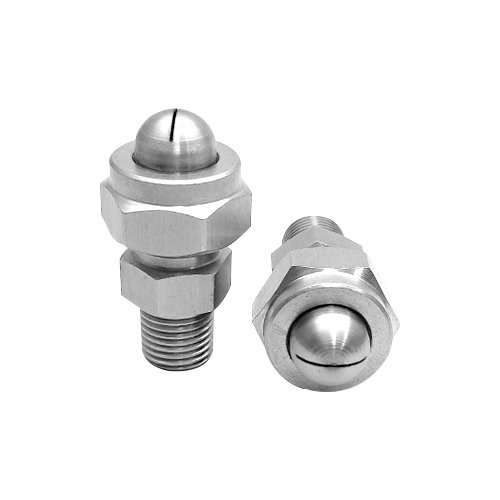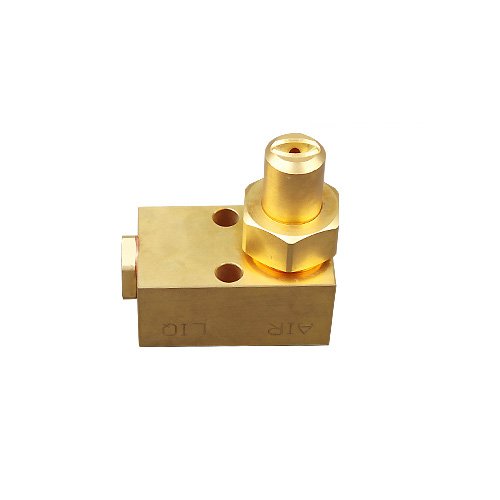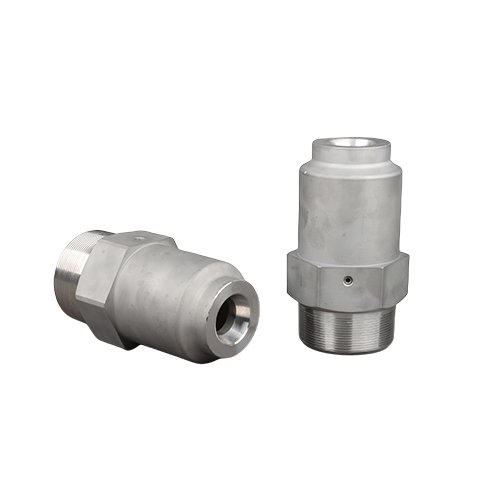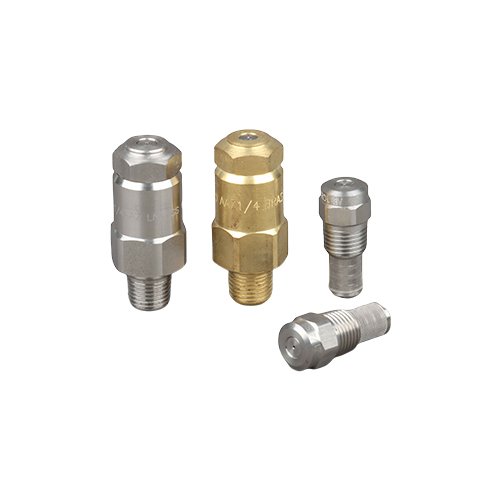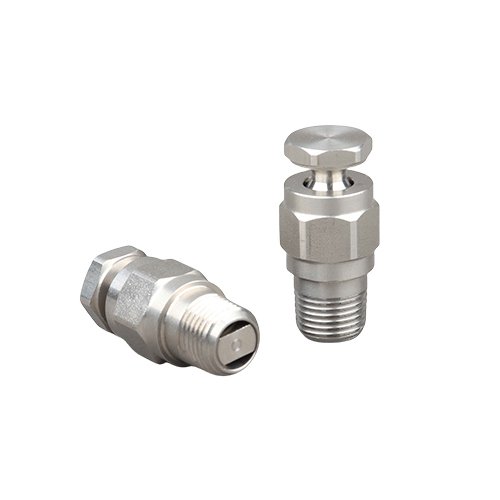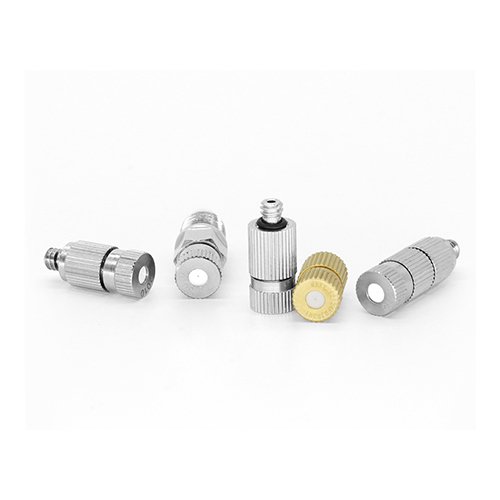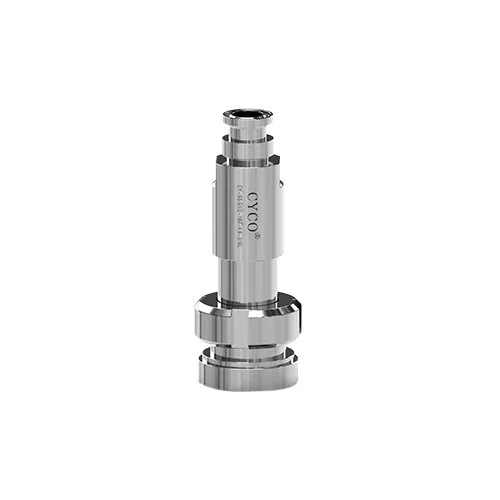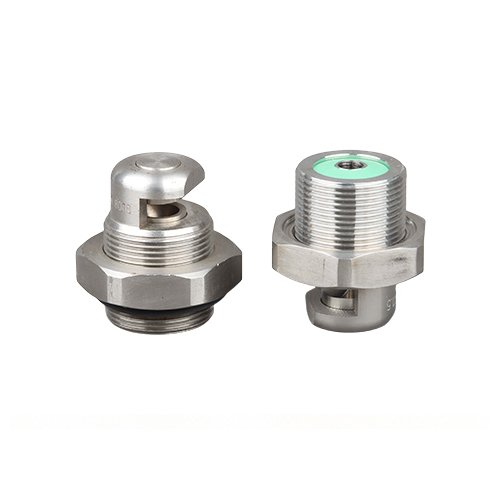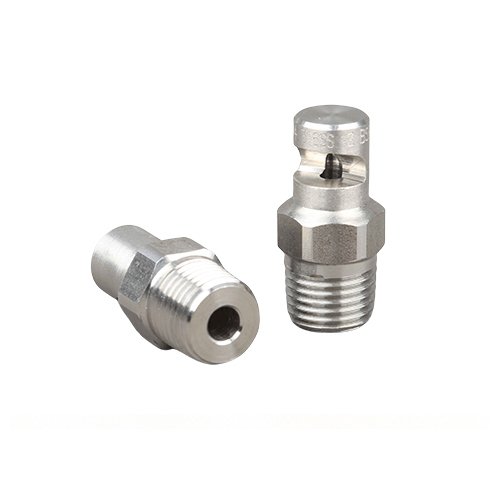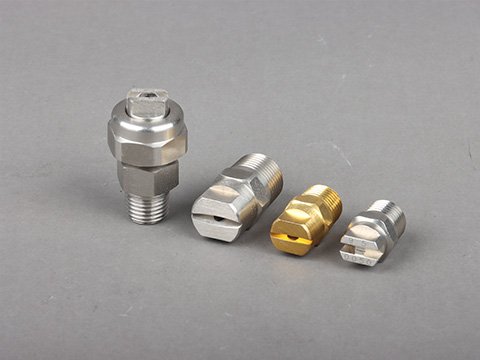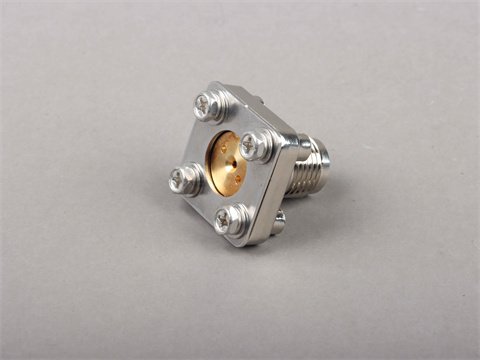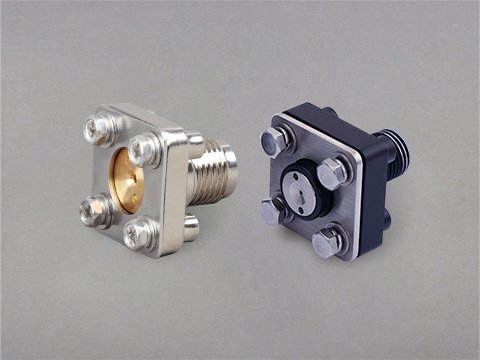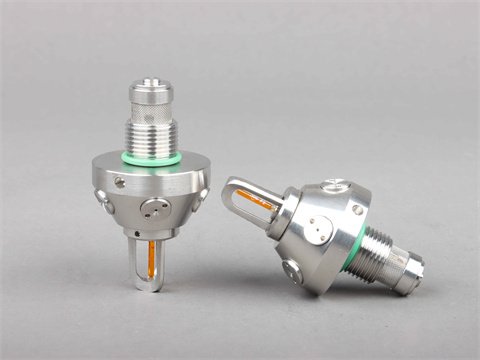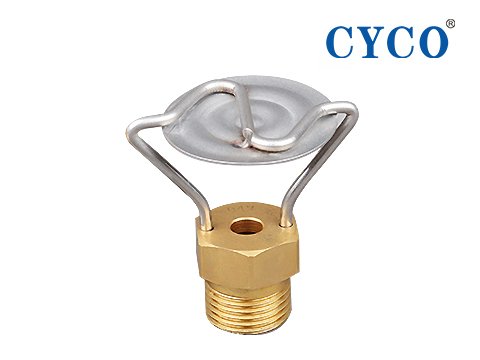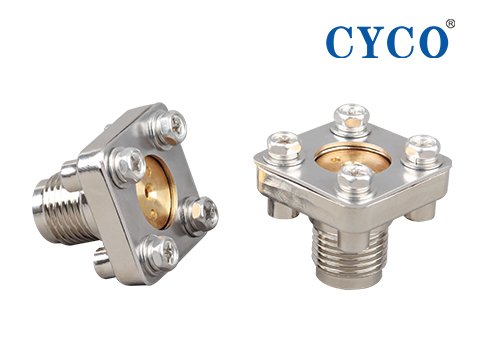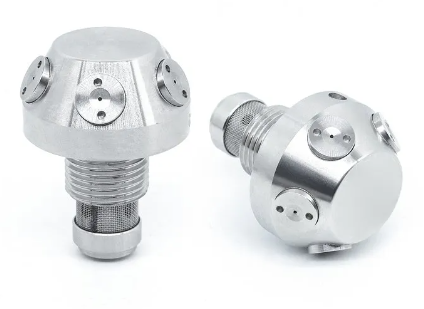
Nozzles for extinguishing fires in energy storage systems (fire protection systems for energy storage)
With the rapid development of renewable energy sources and the popularity of electric vehicles, energy storage systems have become a key component of the modern energy architecture.
Energy storage systems utilize various battery technologies to store electrical energy for emergency use, such as lithium-ion batteries, sodium-sulfur batteries, and liquid-flow batteries. However, batteries in energy storage systems can be overheated or malfunction for different reasons, which can lead to fires or safety issues.
To address this challenge, nozzles for extinguishing fires in energy storage systems have emerged as an innovative solution for quickly extinguishing fires in the event of a fire and protecting people and property.
Importance of energy storage systems
In the energy area, energy storage systems have great potential.
They can balance energy supply, increase energy utilization, reduce load fluctuations in the grid, reduce carbon emissions and support the integration of renewable energy sources.
Electric vehicles are also becoming increasingly popular, and energy storage systems are a core component of electric vehicles for storing and releasing electrical energy to make them more viable.
However, there have been concerns about the safety of energy storage systems, as the batteries used in them can overheat, short-circuit, or otherwise malfunction, which can lead to fires or safety threats.
To solve these problems, engineers and scientists have been looking for innovative solutions to ensure the safety and sustainability of energy storage systems. Nozzles for fire suppression in energy storage systems are one of them, as they provide an efficient fire suppression mechanism that can quickly respond to a fire when it occurs and reduce potential risks.
Causes of energy storage system fires
Can be triggered by a variety of causes, including but not limited to the following:
Battery overheating and short circuiting
Overcharging or overdischarging, manufacturing defects, external damage or operational errors can cause a battery to overheat, short-circuit, or burn.
Battery aging
Batteries deteriorate gradually with time and may develop internal malfunctions that can lead to fires.
External factors
Natural disasters (e.g. lightning strikes) or mechanical damage can also damage the energy storage system and cause a fire.
Negligence and operational errors
Incorrect maintenance, mishandling or negligence can lead to safety breaches.
These fires can spread quickly and can jeopardize the safety of people, property and the environment. Finding effective fire suppression mechanisms is critical to ensuring the sustainable operation of energy storage systems.
Working principles of nozzle systems
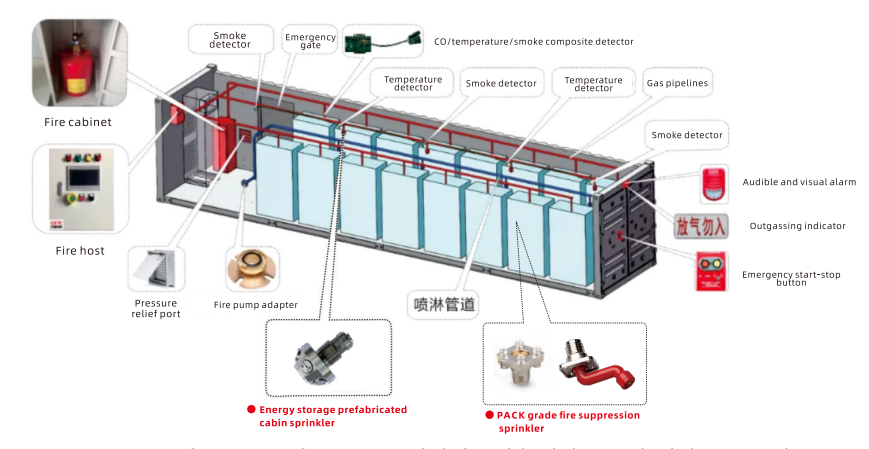
Nozzle systems for extinguishing fires in energy storage systems are specialized firefighting equipment that provide rapid fire suppression during an outbreak of fire.
They utilize advanced technology to ensure efficient fire control while minimizing damage to the energy storage system.
The working principle of these nozzle systems can be summarized in the following steps:
Fire detection
The system is equipped with fire detection sensors that monitor temperature, smoke or other anomalies in the energy storage system. As soon as signs of fire are detected, the system is activated.
Discharge of extinguishing agent
When the system detects a fire, it releases extinguishing agents. These extinguishing agents are usually dry powders or gases specifically designed to extinguish fires and can effectively extinguish the source of the fire.
Directed fire suppression
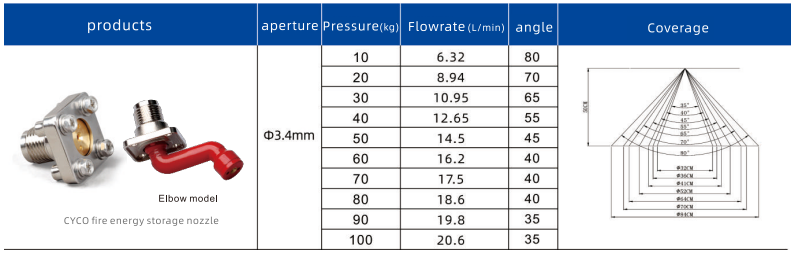
The design of the nozzle allows the agent to be sprayed near the source of the fire at high pressure and speed, ensuring fast and precise extinguishing. This minimizes the waste of extinguishing agent.
Monitoring and alarming
The nozzle system is also equipped with monitoring and alarm functions that alert the operator or the fire department so they can take the necessary steps to respond to the fire.
Application scenes of nozzles for fire extinguishing in energy storage systems
Nozzles for fire suppression in energy storage systems are widely used in different situations in various energy storage systems.
Below are some of the main application areas:
Industrial and commercial
Industrial and commercial energy storage systems usually have large capacities and are at high risk of fire. Sprinkler systems for fire suppression can prevent fires from spreading and causing significant economic losses.
Electric vehicle charging stations
Electric vehicle charging stations require large amounts of energy storage to support the charging needs of electric vehicles. Fire suppression nozzle systems ensure that fires at charging stations can be quickly extinguished, minimizing damage to charging equipment and electric vehicles.
Distributed energy systems
Distributed energy systems include solar and wind power generation equipment, often utilized in conjunction with energy storage systems. Nozzle systems reduce the risk of fire in these systems and ensure a sustainable supply of renewable energy.
Residential
More and more homes are installing small energy storage systems for backup power or storage of solar power. In a home environment, nozzle systems can provide additional safety from fires that could endanger the home.
Grid
Grid energy storage systems play a key role in balancing the grid supply. Nozzle systems for fire suppression ensure the availability of these systems and avoid problems caused by fluctuations in the grid.
Advantages and challenges of extinguishing nozzles for energy storage systems
Advantages
Rapid fire suppression
Nozzle systems are able to act immediately after a fire to quickly extinguish the source and reduce the risk of the fire spreading.
Minimal damage
The use of precise extinguishing agent injection technology minimizes damage to the energy storage system and ensures its sustainable operation.
Automated
Nozzle systems are usually automated and require no human intervention. This allows them to act quickly in the event of a fire, reducing the need for personnel intervention.
Monitoring and alarming
These systems are often equipped with monitoring and alarm functions that alert operators so they can take appropriate action.
Wide range of applications
Nozzle systems are suitable for energy storage systems of all sizes, from small home systems to large industrial systems.
Challenge
Costs
Installation and maintenance of nozzle systems can be expensive, which can challenge the viability of some projects.
Maintenance
Nozzle systems require regular maintenance to ensure their reliability, which requires additional time and resources.
Environmental considerations
Nozzle systems use fire extinguishing agents and the potential environmental impact of these chemicals needs to be considered.
Standards and regulations
Developing appropriate standards and regulations to ensure the effectiveness and safety of a nozzle system is a challenge that requires harmonization of all stakeholders.
Conclusion
Nozzles for fire suppression in energy storage systems are an important innovation that promises to solve the challenges of fires in energy storage systems.
These systems provide a rapid, automated fire suppression mechanism that ensures a quick response in the event of a fire and reduces potential risks.
It is important to note that nozzle systems require proper maintenance and monitoring to ensure their reliability and efficiency.
As energy storage technology continues to evolve and the market continues to grow, nozzles for fire suppression in energy storage systems will continue to play a key role in ensuring the sustainable safety of energy storage systems, facilitating access to clean energy, and supporting the development of e-mobility.
Continued innovation and development in this field will bring more hope and opportunities for a sustainable energy architecture in the future.