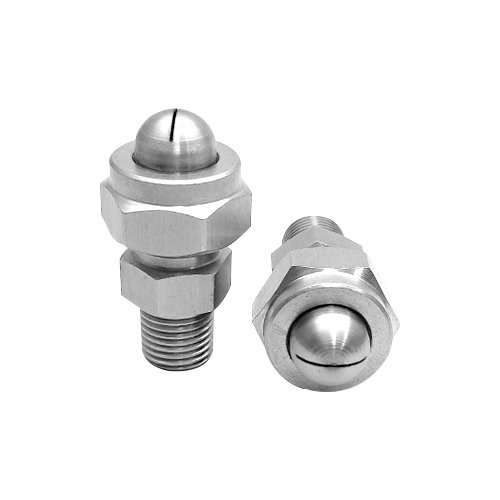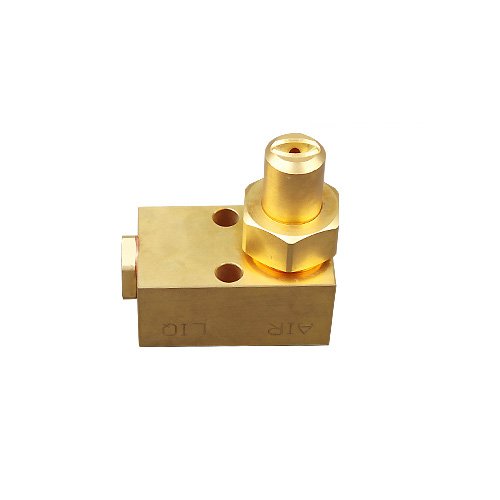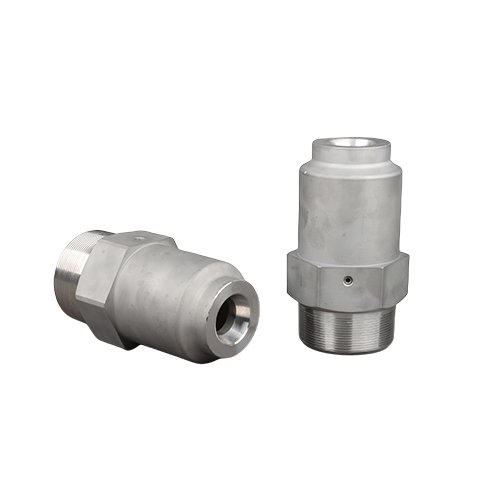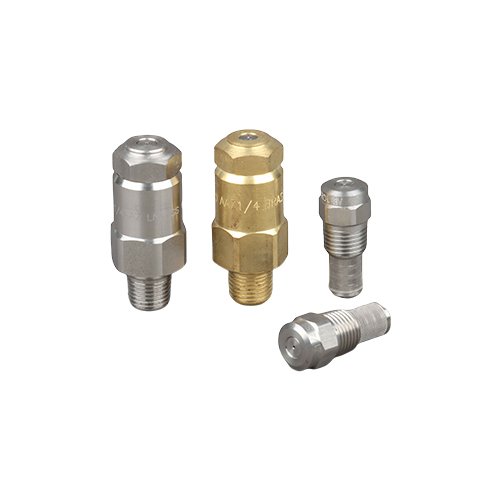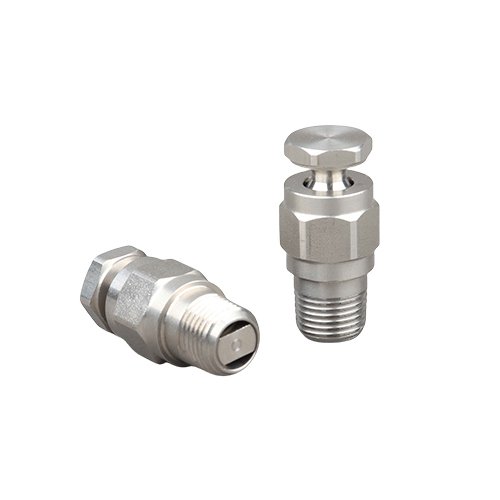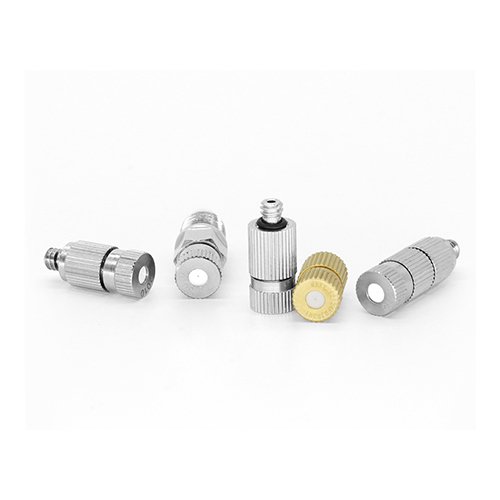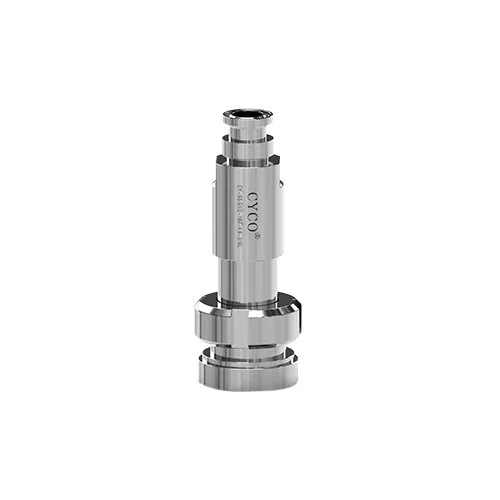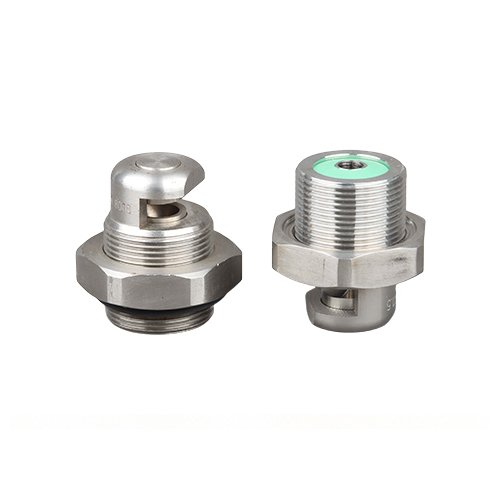
In the field of fire protection, choosing the right spray nozzle is key to ensuring fire fighting effectiveness and personnel safety. For general carbon rooms, which are common industrial and commercial buildings, choosing the right spray nozzle is especially important. In this article, we will discuss what spray nozzles are good for general carbon rooms and analyze the advantages and disadvantages of various types of spray nozzles to help readers make informed choices.

Dry Spray Nozzles
Ideal for low-temperature environments and icing-prone sites. Because of the temperature fluctuations that can exist in a carbon room, dry spray nozzles can keep working even when the temperature drops below freezing. This type of spray nozzle is connected to a water source through a pipe filled with compressed gas. When a fire occurs, the gas is released and initiates a stream of water. However, it is important to note that dry spray systems may have a delay in activation.
Wet Spray Nozzles
The most common type of automatic spraying system, it is used in a variety of carbon rooms. It works on the principle that when a fire occurs, a heat-sensitive element detects an increase in temperature, causing the glass bulb to rupture, which initiates the flow of water. The advantages of wet spray nozzles are rapid response, good fire fighting effect and relatively low cost. However, at low temperatures, the water in the piping may freeze, causing the system to fail.
Pre-action Spray Nozzles
Combines the advantages of both dry and wet systems. Under normal conditions, the system is filled with compressed air rather than water, avoiding the problem of freezing in cold temperatures. When a fire occurs, the compressed air is released first and then filled with water to extinguish the fire. This type of system is suitable for places with high waterproofing requirements, such as computer rooms and libraries. However, pre-action spray systems are more costly and more complicated to maintain.
Selection Advice
The following factors need to be considered when selecting a suitable spray nozzle:
The specific purpose and fire risk level of the carbon room;
Temperature and humidity variations within the carbon room;
Budget and maintenance costs.
For the average carbon room, wet spray nozzles are usually a cost-effective option. However, if the carbon room is located in a cold area or there is a risk of icing, dry or pre-action spray nozzles may be more appropriate. In practice, the selection and design can also be customized to meet the specific needs and conditions of the carbon room.
Summary
Choosing the right spray nozzle is critical to the fire safety of the average carbon room. By analyzing and comparing the advantages and disadvantages of dry, wet and pre-action spray nozzles, this paper provides general recommendations. When making the actual selection, it is also necessary to make comprehensive considerations based on the specific needs and conditions of the carbon room in order to achieve the best fire protection results and economic benefits.