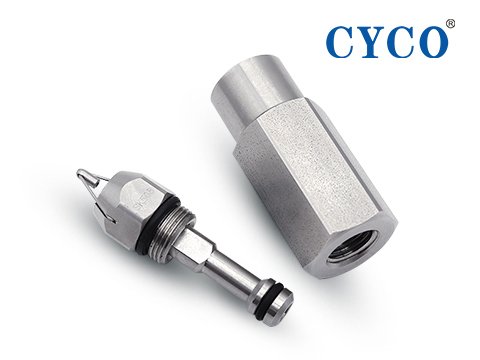
In the restaurant industry, the kitchen is a hot, greasy, smoky, hot, and high-pressure environment, so it is critical to have proper fire nozzles installed in restaurant kitchens.
These fire nozzles not only need to meet state and local laws and regulations, but also need to be adapted to the specific kitchen environment to ensure the safety of employees and customers.
This article will explore the needs and requirements of fire nozzles in restaurant kitchens, as well as the scenarios in which they can be used.
Requirements for kitchen fire nozzles
To ensure that fire nozzles in restaurant kitchens are effective against the threat of fire, there are a number of key requirements that need to be met:
Compliance with regulations
Each country and region has specific building codes and fire codes that dictate the types and requirements of fire nozzles to be used in a kitchen environment. Restaurants must comply with these codes to ensure that their kitchen facilities are legally compliant.
Adapt to the kitchen environment
The kitchen is a hot, smoky and humid environment, so fire nozzles need to be able to work well in these conditions. Nozzles and associated equipment must be resistant to heat and corrosion and have a high degree of reliability.
Response in time
Nozzles must be able to respond quickly to a fire outbreak in order to extinguish the fire at the earliest possible time. This usually requires an automatic activation system to release the extinguishing agent automatically when a fire is detected.
Adequate coverage
Each fire nozzle must be designed to cover a specific area to ensure that the source of the fire is effectively contained in the event of a fire. This requires careful layout and calculation to determine the number and location of the required nozzles.
Easy maintenance
It is important that nozzles are maintained and inspected regularly to ensure that their performance is not compromised. Regular maintenance can help restaurants reduce the risk of fire.
Types of kitchen fire nozzles
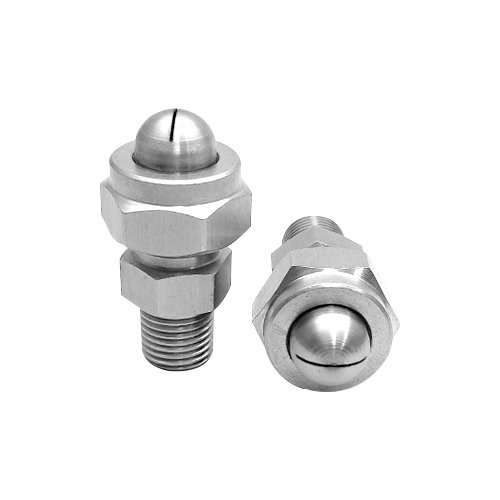
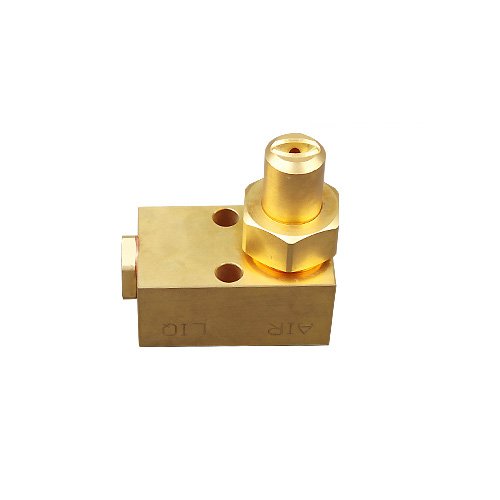
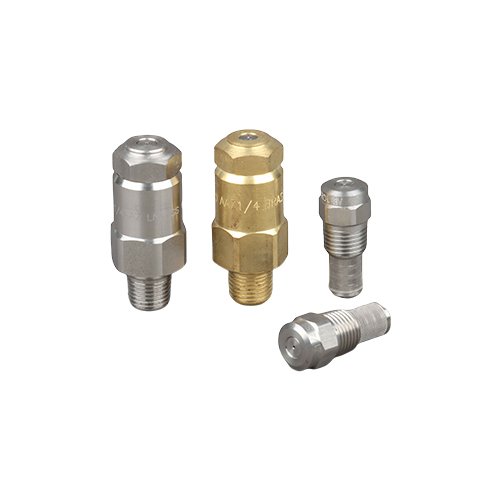
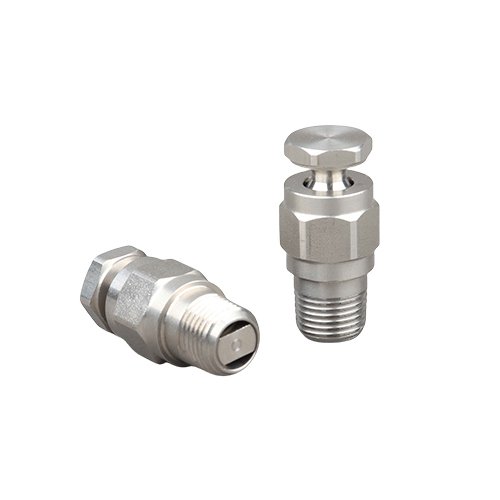
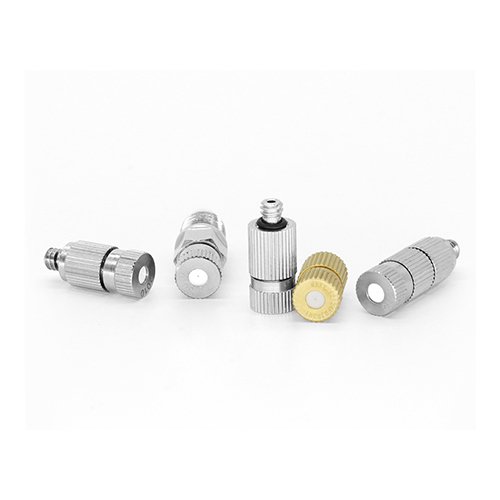
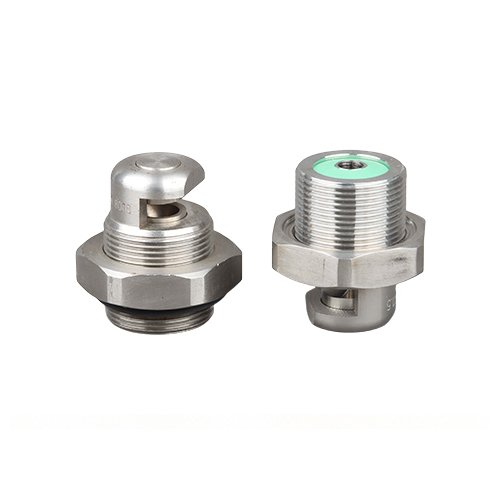
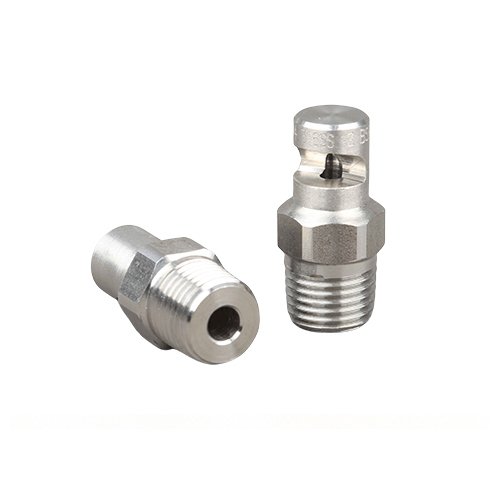
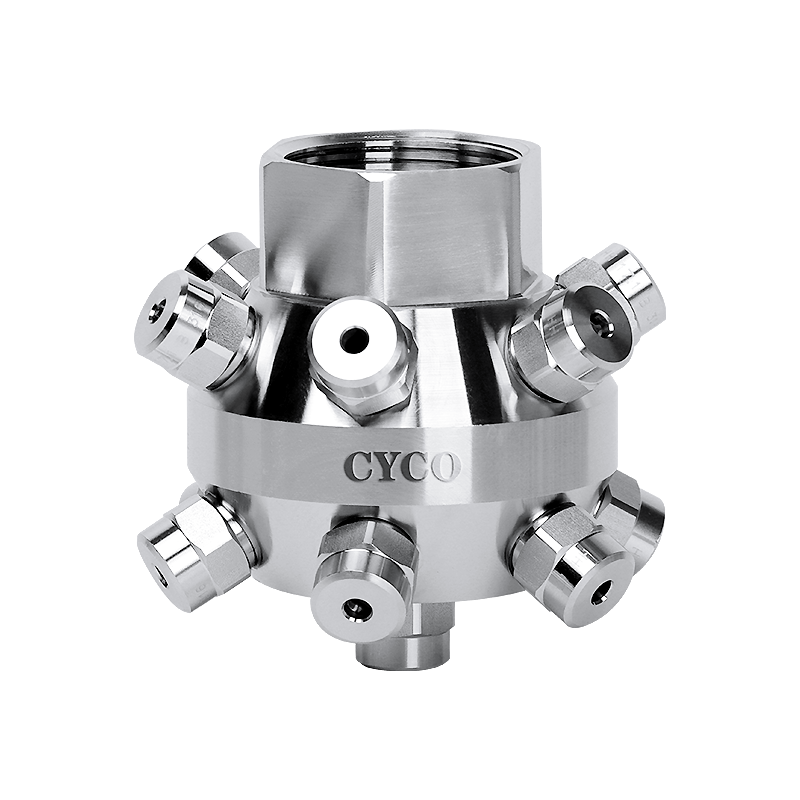
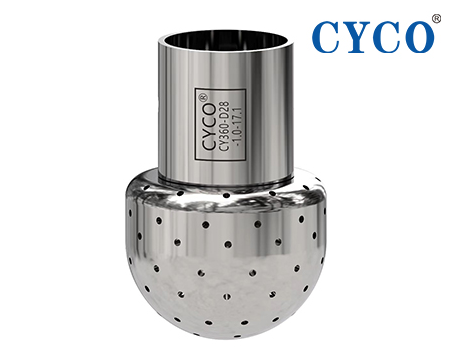
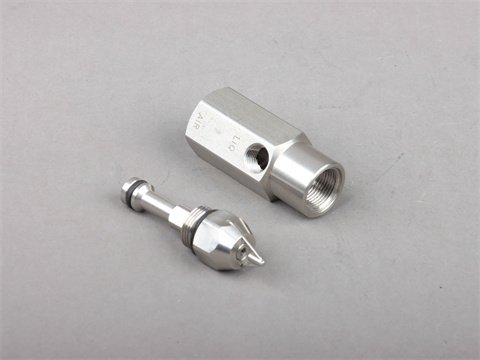
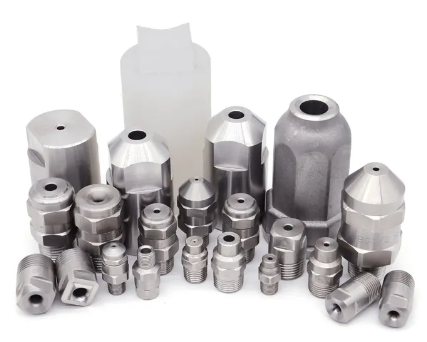
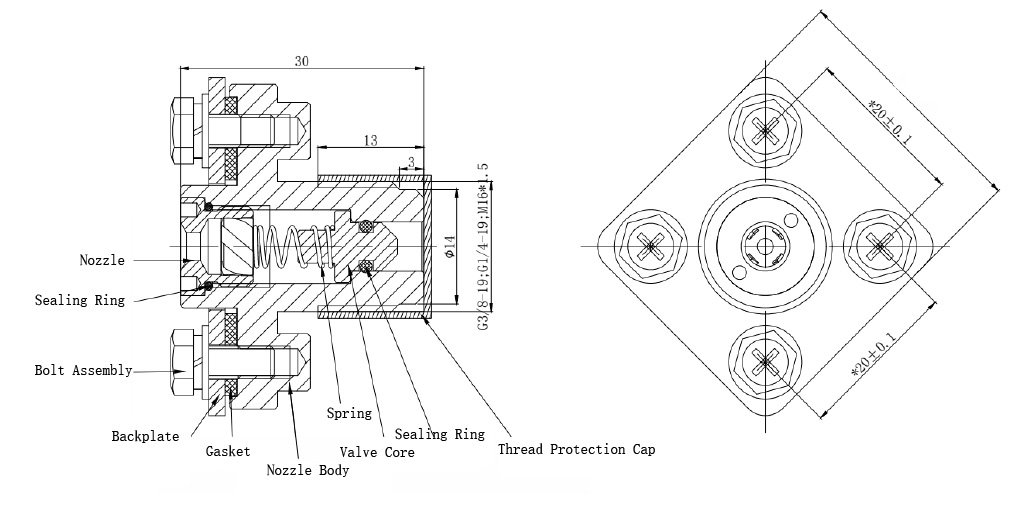
Common types of fire nozzles found in restaurant kitchens include dry type nozzles, spray nozzles, and foam nozzles.
Each type of the nozzle has different application scenarios and performance characteristics.
Dry type nozzle
Suitable for dry kitchen environments where the risk of evaporation of grease and other flammable substances is low. They extinguish fires by releasing dry powder or other dry extinguishing agents.
Spray nozzle
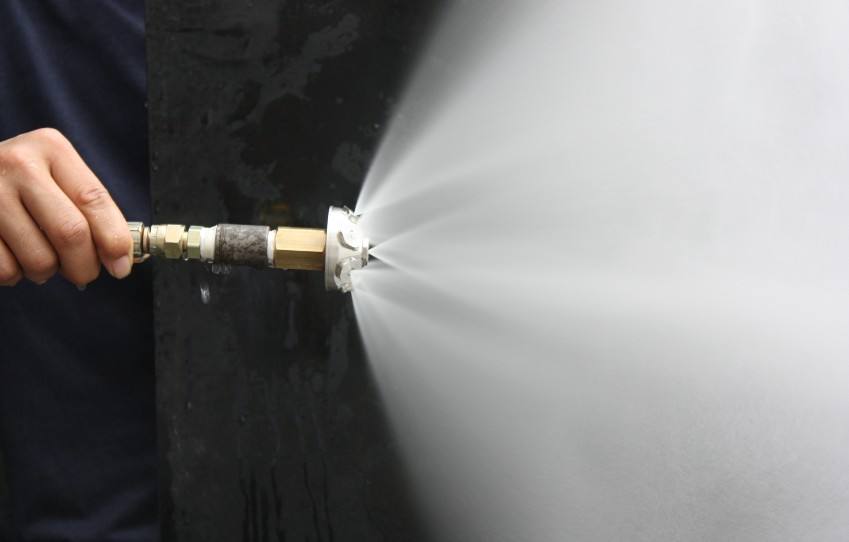
Suitable for kitchen environments where rapid cooling is required, such as cooking areas. They extinguish fires by spraying a mist of water onto the fire source and reduce smoke and temperature.
Foam nozzle
Suitable for kitchen environments with large amounts of grease and flammable substances. They extinguish fires by releasing a foam extinguishing agent that creates a protective layer covering the fire source.
Layout and design of kitchen fire nozzles
The layout and design of kitchen fire nozzles is critical to ensuring their effectiveness.
Here are some layout and design points:
Coverage of all hazardous areas
Fire nozzles must be able to cover all hazardous areas in the kitchen, including cooking equipment, ovens, fryers and flues. Each area has a different fire risk and the nozzles need to be set up appropriately according to the distribution of risk.
Distance and height
The height and distance of nozzles is usually regulated by legislation. Nozzles must be installed at a suitable height to ensure that they can cover the source of the fire. In addition, the distance between nozzles should be set according to specific requirements.
Prevent clogging
Due to the presence of grease and food residues in the kitchen environment, nozzles are prone to clogging and measures need to be taken to prevent clogging, such as the use of anti-clogging nozzle designs and regular cleaning and maintenance.
Automatic activation systems
Fire nozzles are usually connected to a fire detection system for automatic activation. When a fire is detected, the system automatically releases the extinguishing agent without the need for manual intervention.
Manual control devices
In addition to automatic activation systems, kitchen fire nozzles should be equipped with manual controls so that employees can manually trigger the extinguishing agent when needed.
Signs and training
The location of fire nozzles should be clearly marked so that employees can find and use them quickly. In addition, staff should be trained on how to use the fire nozzles and what action to take in the event of a fire.
Application scenes of kitchen fire nozzles
Kitchen fire nozzles are used in different application scenes in restaurant kitchens, including but not limited to the following:
Control of kitchen fires
When a fire breaks out, fire nozzles can quickly control the source of the fire and prevent it from spreading, which can prevent the fire from causing serious damage to staff, customers and property.
Control of smoke and fumes
Fires in kitchens are often accompanied by the production of heavy smoke, which threatens the safety of staff and customers. Spray nozzles can help to reduce the concentration of smoke and increase the safety of escape.
Reduce temperature
High temperatures are typical of fires, but kitchen fire nozzles can reduce the temperature by releasing coolant, mitigating the heat radiation from the fire to the surrounding environment.
Foam protection
Foam nozzles are suitable for grease fires, they create a barrier of foam that covers the source of the fire, effectively extinguishing it and stopping it from burning again.
Automatic fire suppression
As fire nozzles are usually connected to a fire detection system, they can be activated automatically when a fire is detected, reducing the risk of human delay.
Conclusion
Ensuring fire safety is an important responsibility in restaurant operations.
By properly installing and maintaining kitchen fire nozzles, it is possible to reduce the risk of fire, protect the safety of staff and customers, minimize property damage and ensure the continuity of operations.
Therefore, restaurant owners and operators should take the requirements and application of kitchen fire nozzles seriously to ensure the highest level of fire safety.