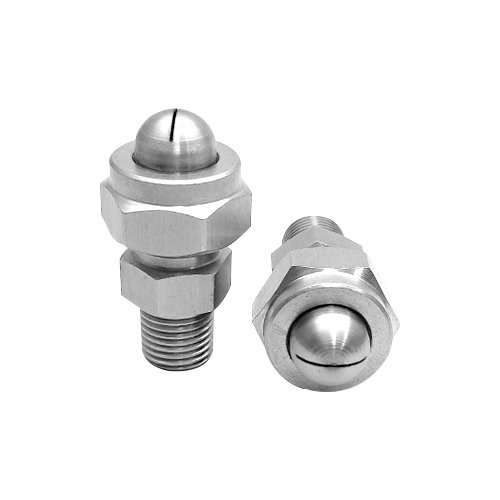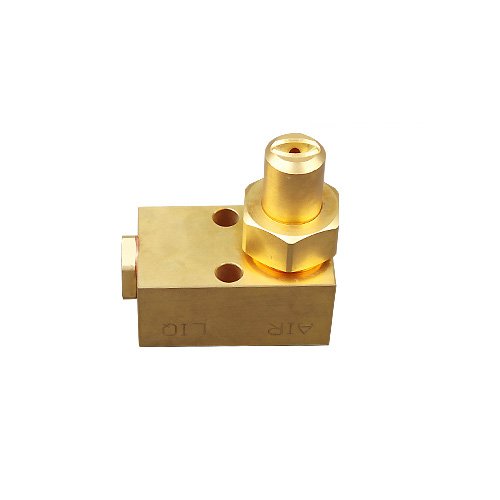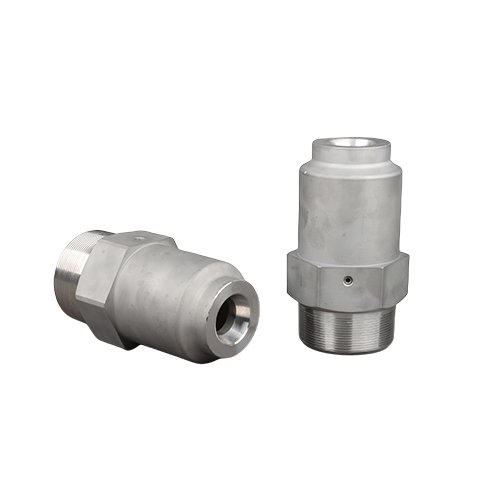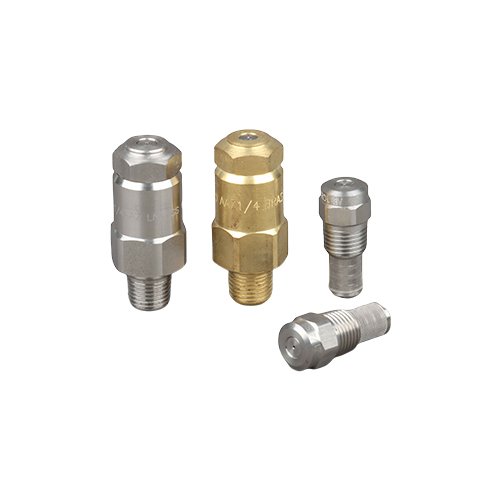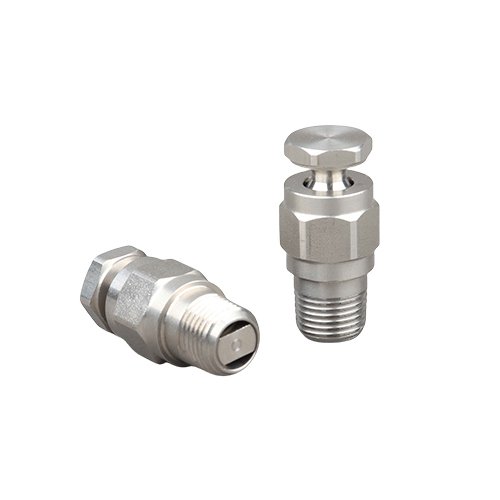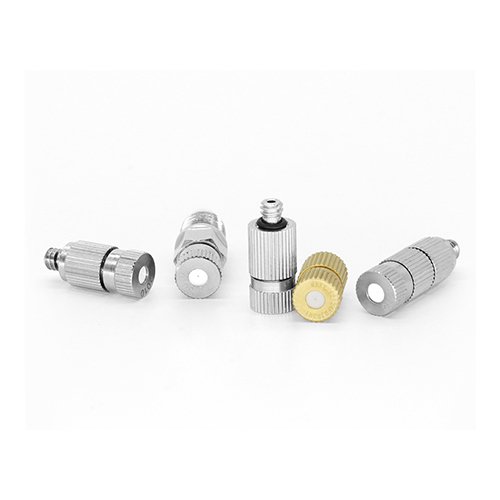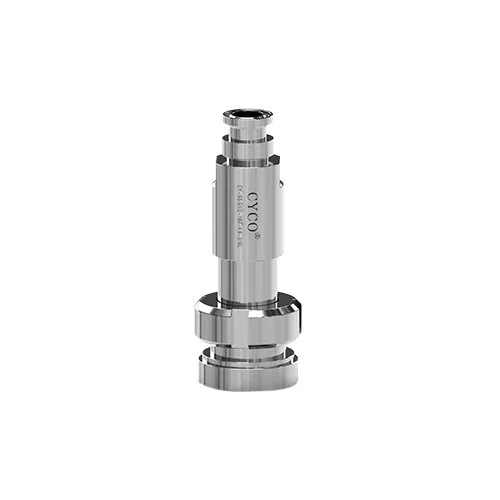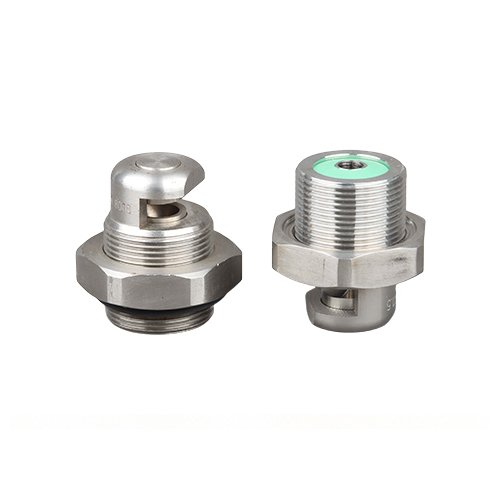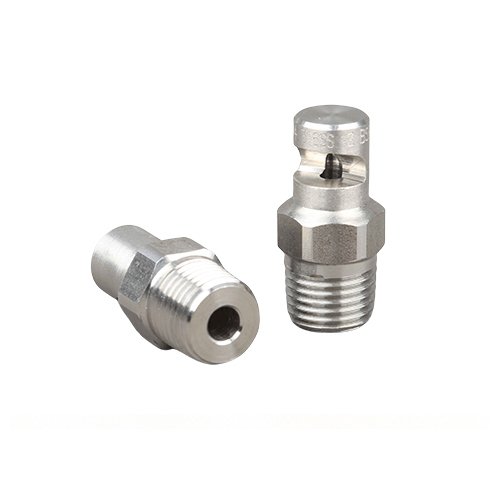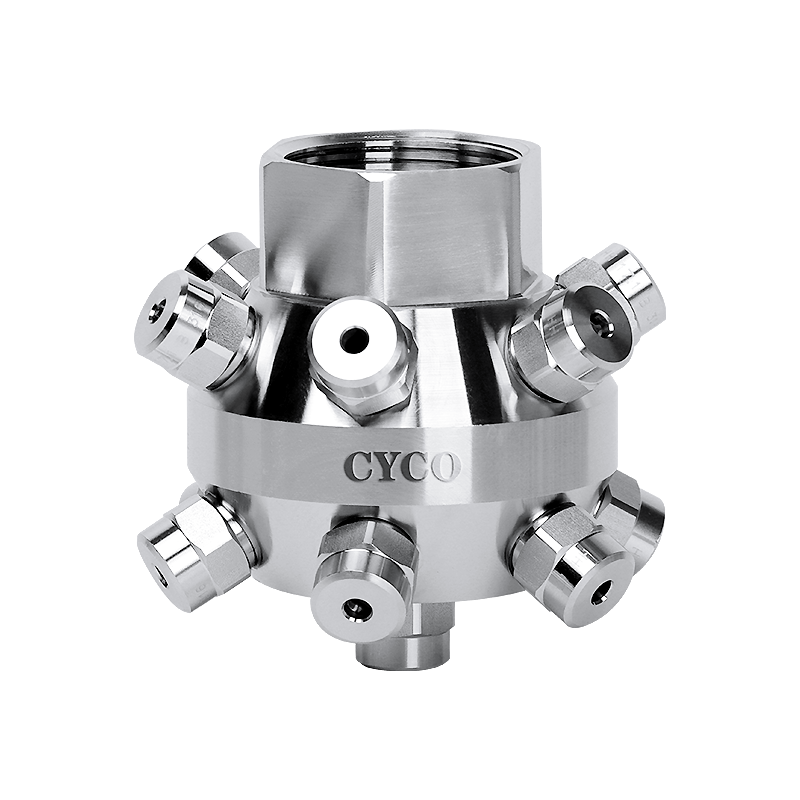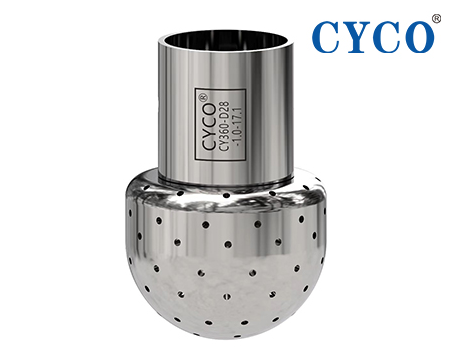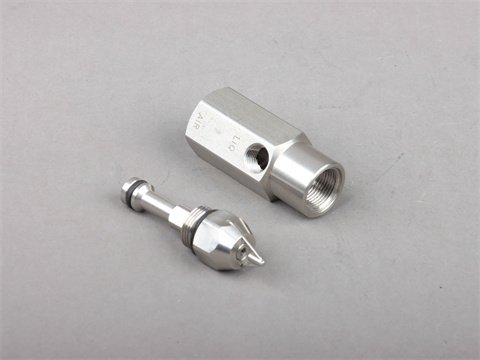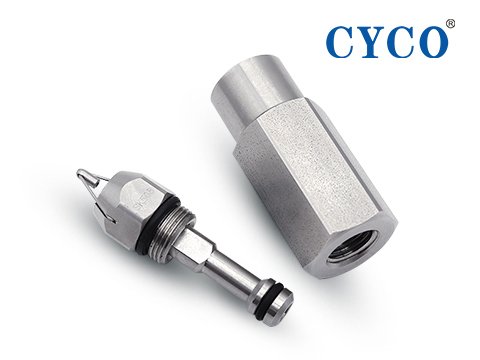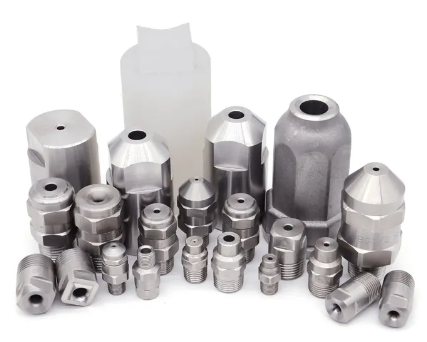
With the increasing awareness of environmental protection in recent years, more and more enterprises have begun to pay attention to pollution control, in which denitration technology plays a crucial role. As a new type of denitration equipment, two-fluid denitration spray lance, its high efficiency, environmental protection features make it highly regarded.
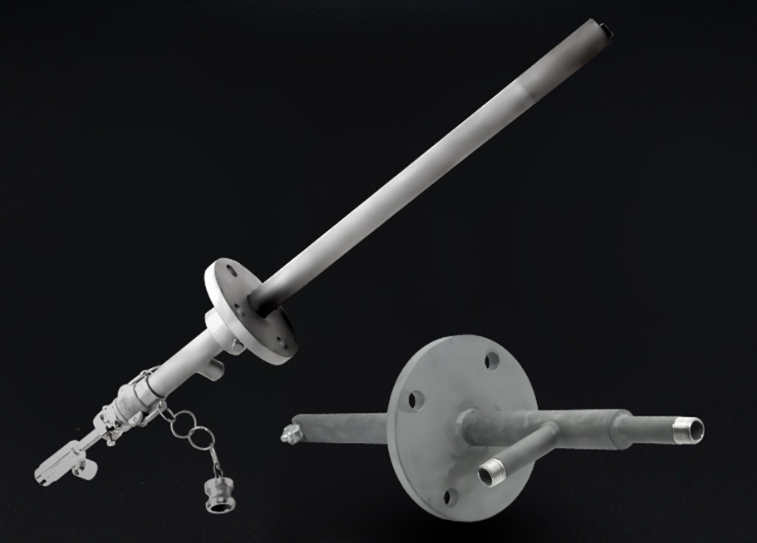
Principle of two-fluid denitration spray lance
The process of denitration is achieved by using urea hydrolysis to produce ammonia, which reacts with nitrogen oxides in the high temperature flue gas to form nitrogen and water. In this process, the energy required for urea hydrolysis is provided by the flue gas without external heating. Compared to traditional SCR technology, the two-fluid denitration spray lance has the advantages of low energy consumption and low cost.
Advantages of two-fluid denitration spray lance
High efficiency
Since urea hydrolysis takes place inside the nozzle, ammonia concentration can be controlled at a high level, which increases the efficiency of denitration.
Environmentally friendly
With urea as the reducing agent, not only the denitration efficiency is high, but also the generated exhaust gas can be discharged directly after treatment.
Low maintenance cost
Compared to traditional SCR technology, which requires the use of high-temperature and corrosion-resistant nozzles, the two-fluid denitration spray lance does not require special materials and has low maintenance costs.
Wide range of applications
The two-fluid denitration spray lance can be applied to all sizes of combustion equipment, including small boilers, gas turbines, and so on.
Application cases of two-fluid denitration spray lance
A thermal power plant
After using the two-fluid denitration spray lance for denitration, the concentration of nitrogen oxides emitted from the plant has been reduced by more than 80%, which meets the national emission standard.
A chemical plant
The chemical plant uses two-fluid denitration spray lance to treat the exhaust gas, meeting the national emission standards while also realizing the resource utilization of exhaust gas.
Future development trend
With the increasing awareness of environmental protection, the two-fluid denitration spray lance will be used in more fields. At the same time, for the problems that exist in the actual application process, such as ammonia escape, the relevant enterprises are also improving and optimizing continuously.
It is believed that in the near future, two-fluid denitration spray lance will become one of the important means of air pollution control.
Conclusion
In short, as an efficient and environmentally friendly new denitration technology, two-fluid denitration spray lance has obvious advantages and a wide range of applications.
The technology is believed to be continuously improved and promoted in the future development.