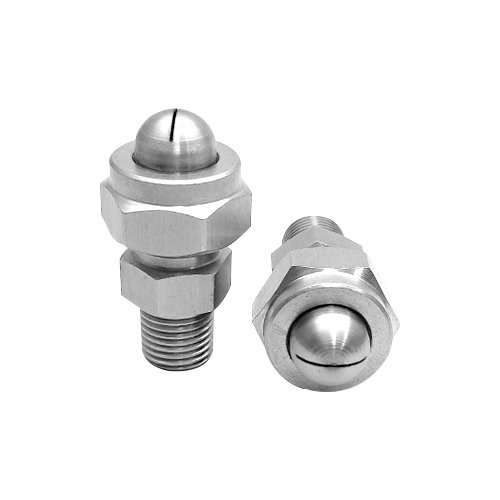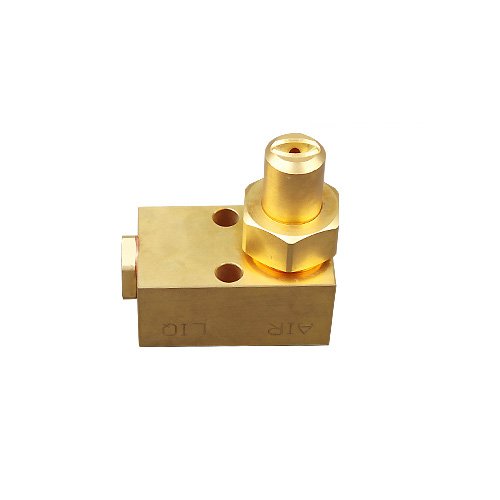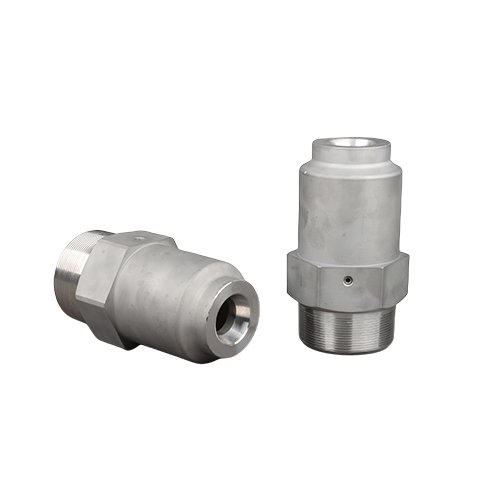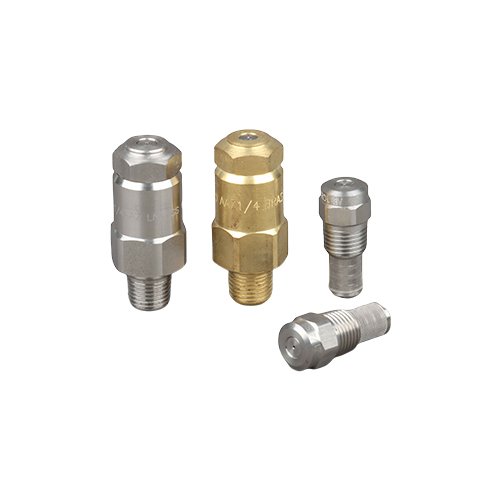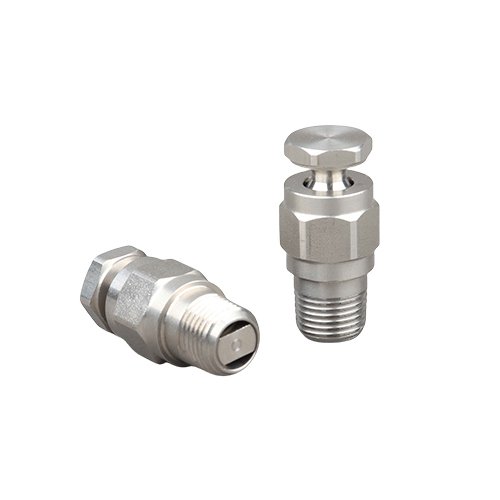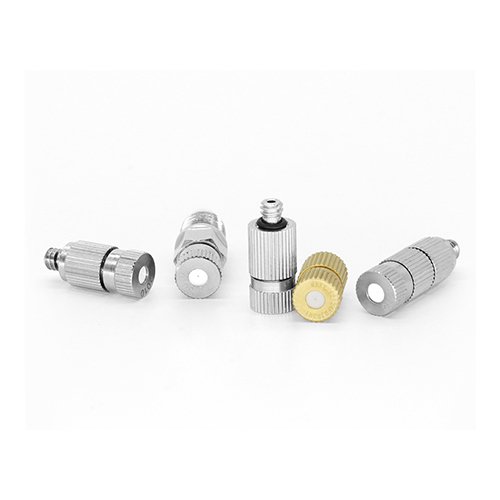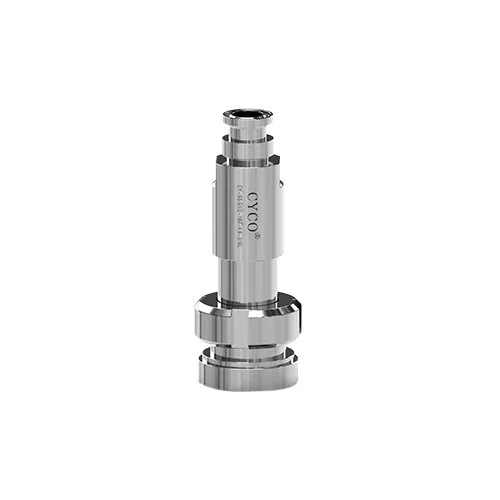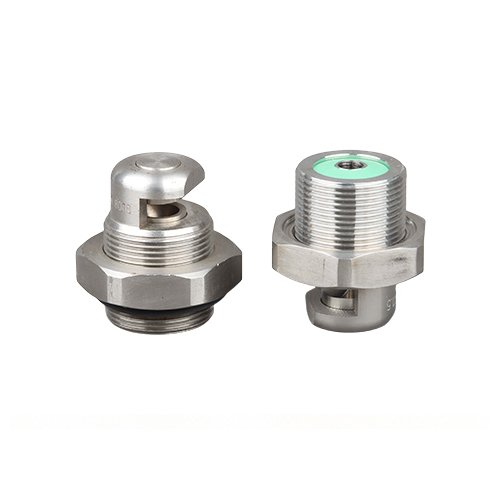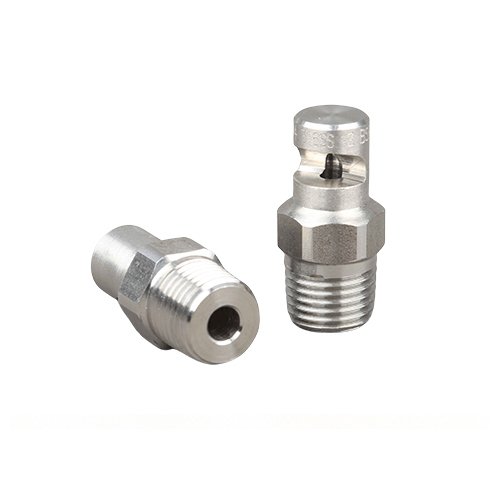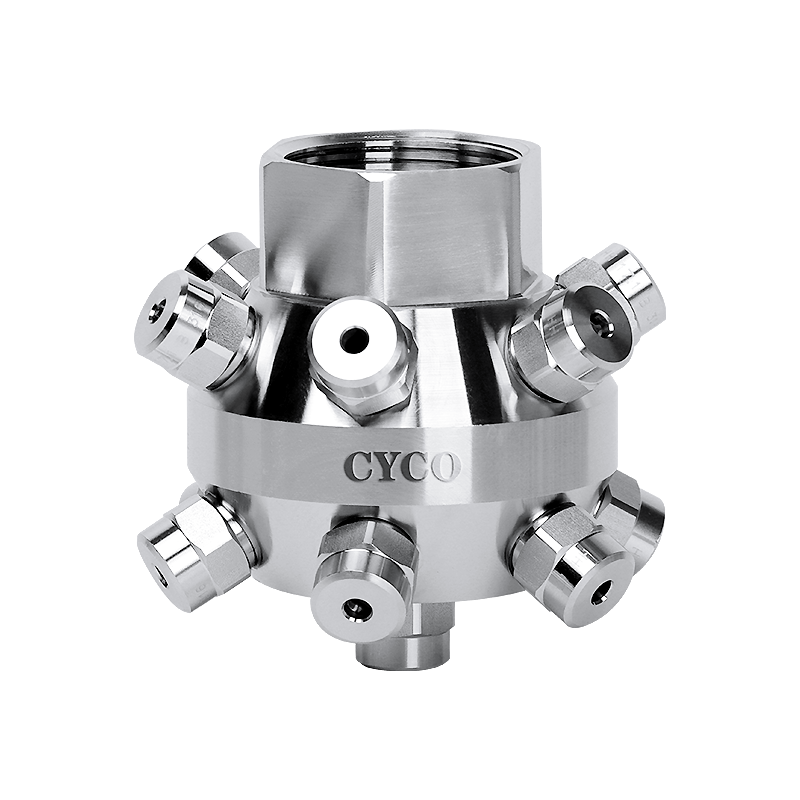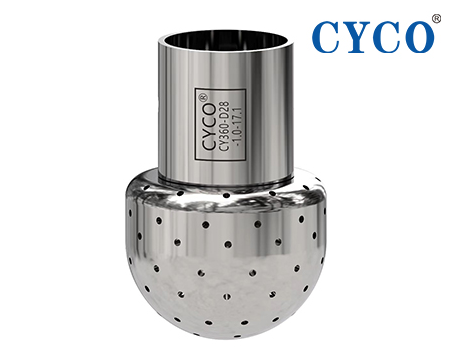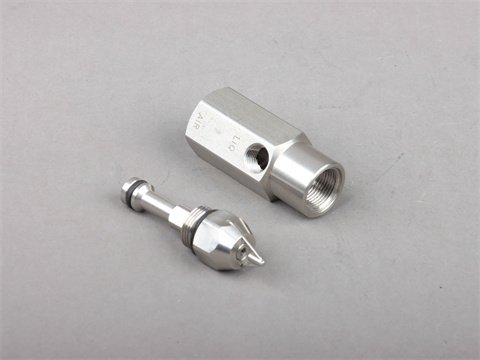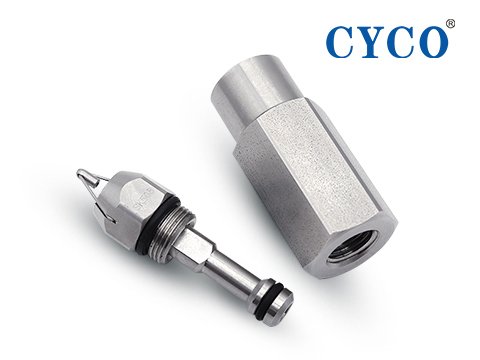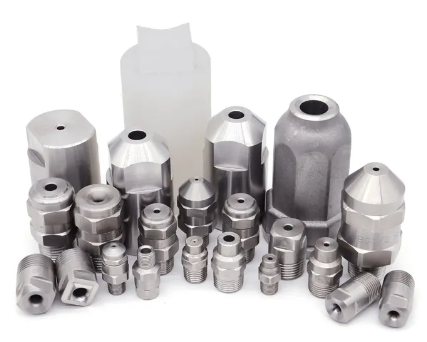
An atomizing nozzle is a device that converts liquid into tiny droplets and disperses them evenly into the air. Due to its wide range of applications in many industries, there are various types of atomizing nozzles.
This article will provide you with a summary of the different types of atomizing nozzles and their application scenarios to help you better understand this field.

Pressure Atomizing Nozzles
The most common type, high-pressure liquid passes through the nozzle to produce a fogging effect. This type of nozzle is widely used in agricultural irrigation, industrial humidification, fire extinguishing and other fields. Because of its simple structure and low cost, it is favored by the majority of users.
Rotary Atomizing Nozzles
The built-in rotating mechanism makes the liquid form a rotating spray effect when it is sprayed out. This nozzle is suitable for occasions that require larger coverage and higher spray effect, such as environmental protection dust removal, large-scale industrial cleaning. Rotary atomizing nozzle has the characteristics of uniform spraying and wide coverage, but its structure is complicated and the cost is high.
Ultrasonic Atomizing Nozzles
Liquid broken into tiny droplets by ultrasonic vibration to achieve the atomization effect. This kind of nozzle has the characteristics of fine atomization effect and uniform distribution of liquid droplets, which is suitable for the fields that require high-precision atomization, such as pharmaceutical manufacturing, electronic industry and so on. Due to its advanced technology principle, the price of ultrasonic atomizing nozzle is usually higher.
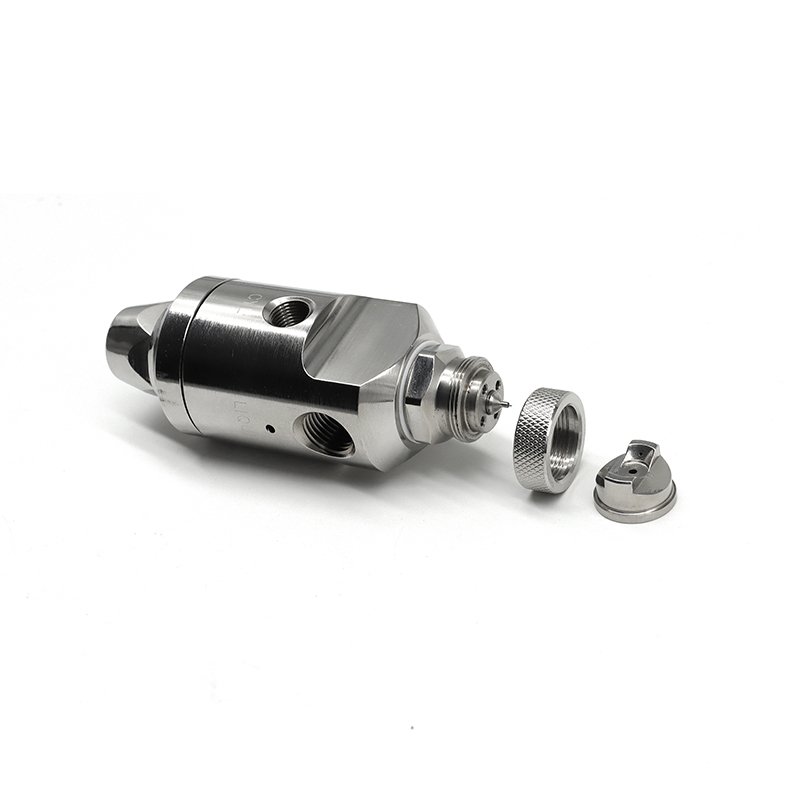
Pneumatic Atomizing Nozzles
Use compressed air to blow the liquid into fog. This type of nozzle is suitable for applications that require a large spray volume but high liquid viscosity, such as paint coating, food processing and so on. Pneumatic atomizing nozzle has a good spray effect, strong adaptability, but high energy consumption.
Microplate Atomizing Nozzles
A special microporous plate structure is used to form a mist when the liquid passes through the microporous holes. This nozzle is suitable for situations that require extremely high spraying effect, such as gas turbine cooling, high temperature heat treatment, and so on. Microporous plate atomizing nozzle has the characteristics of fine spray and uniform distribution, but its manufacturing precision requirements are higher, and the cost is correspondingly higher.
Conclusion
Different types of atomizing nozzles have their own characteristics and application scenarios. When choosing atomizing nozzles, the most suitable type should be selected according to the actual needs of spray effect, coverage and cost.
At the same time, with the progress of science and technology and the continuous change of application needs, the types of atomizing nozzles will continue to develop to provide more diversified options for various industries.