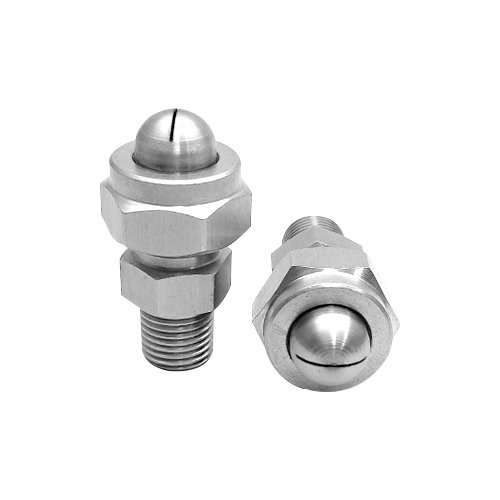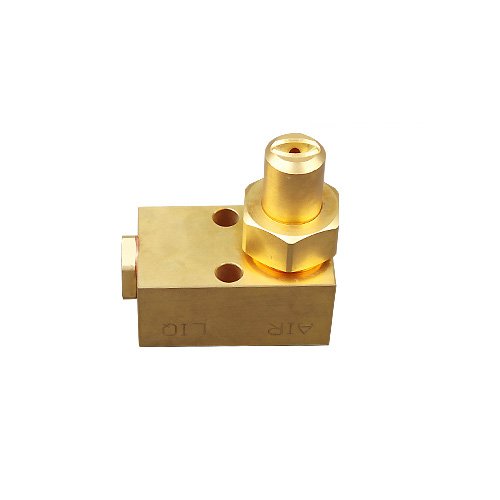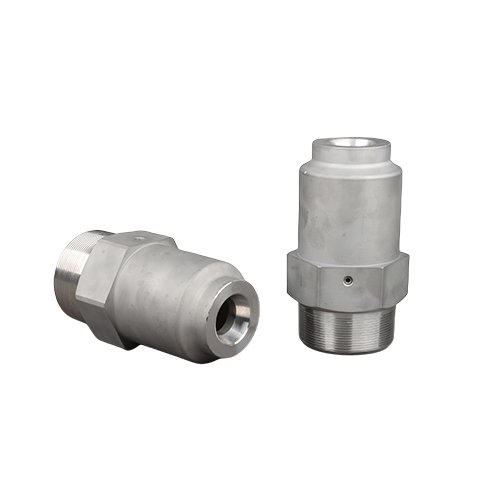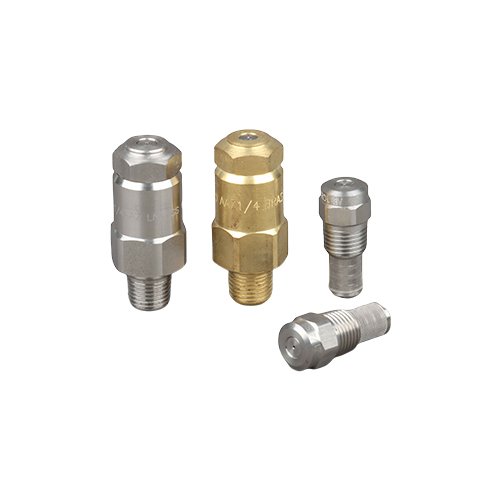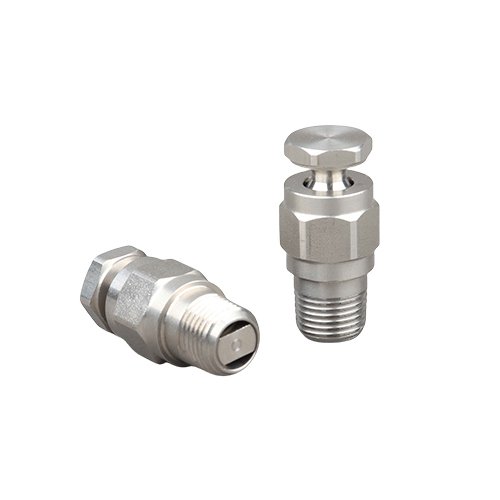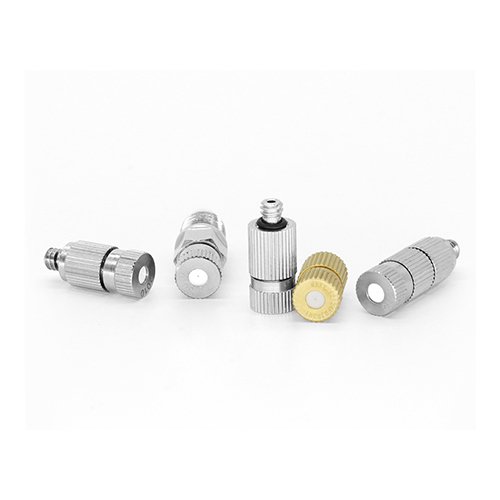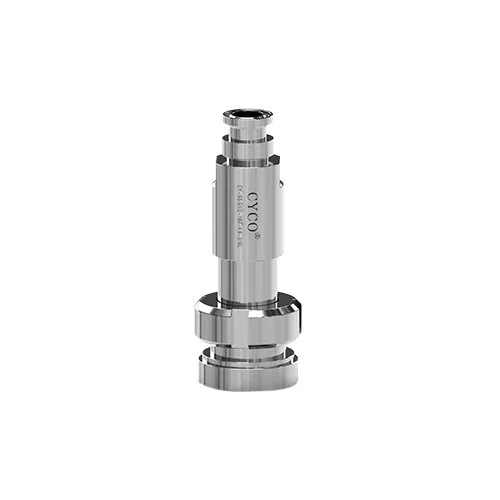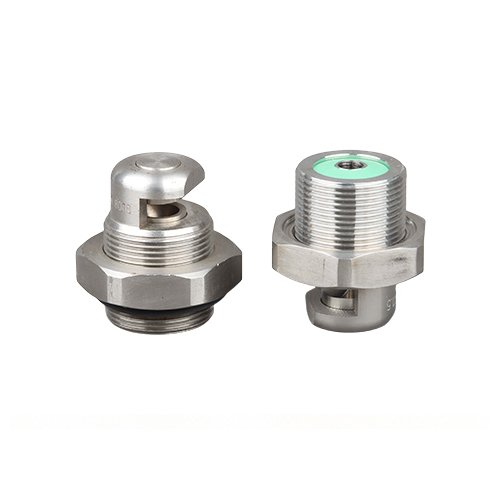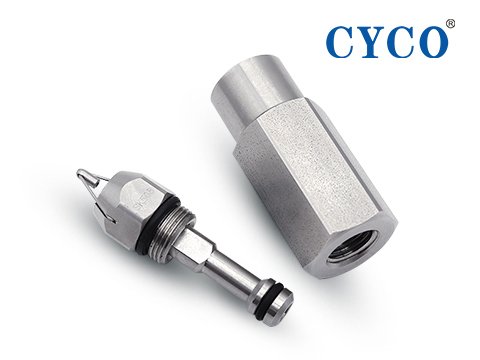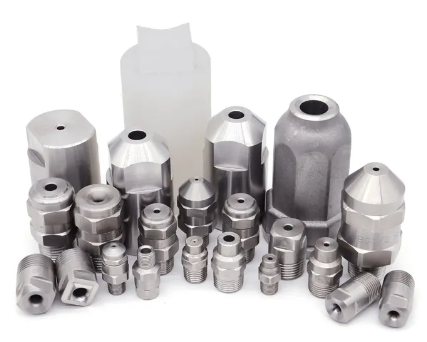
Cleaning nozzle is an indispensable and important component of industrial cleaning, the choice of material and the use of specifications for the cleaning effect and nozzle life has a critical impact. In this paper, we will discuss the material selection and use of cleaning nozzles to help readers better understand the characteristics of different materials and the correct use of nozzles.
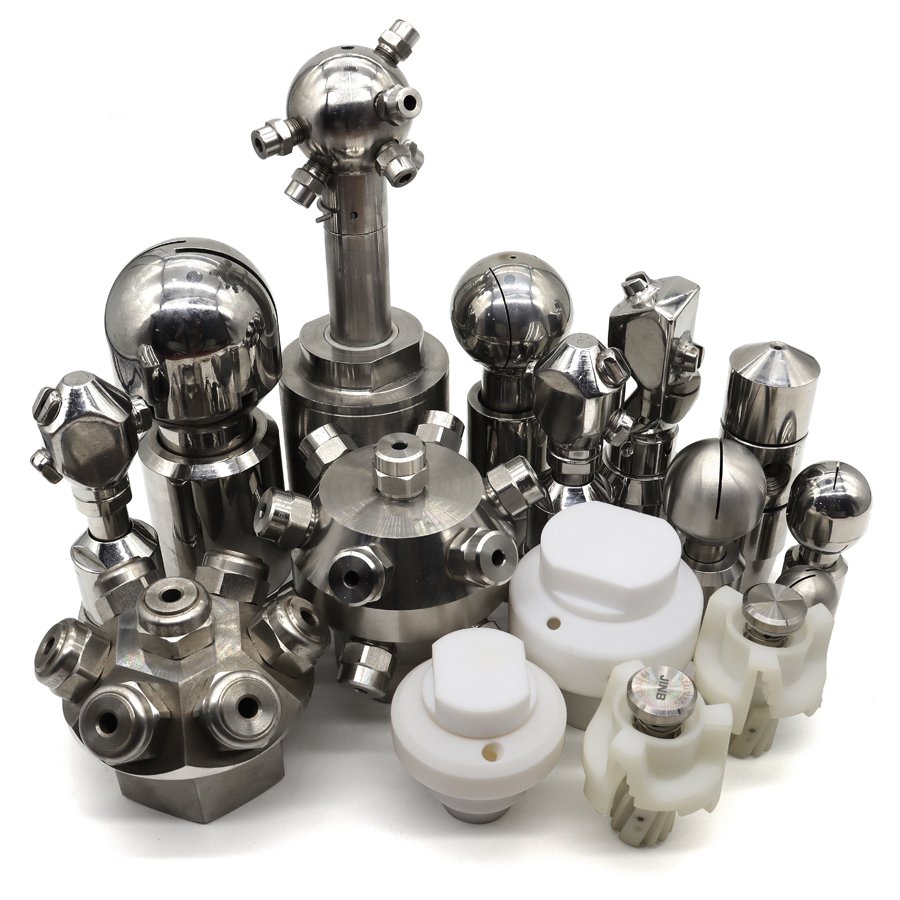
Common Materials of Cleaning Nozzles
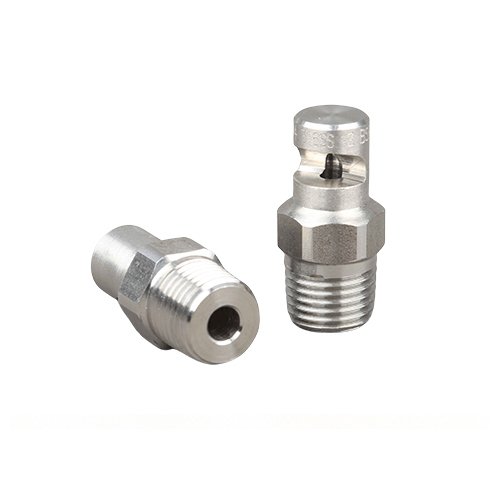
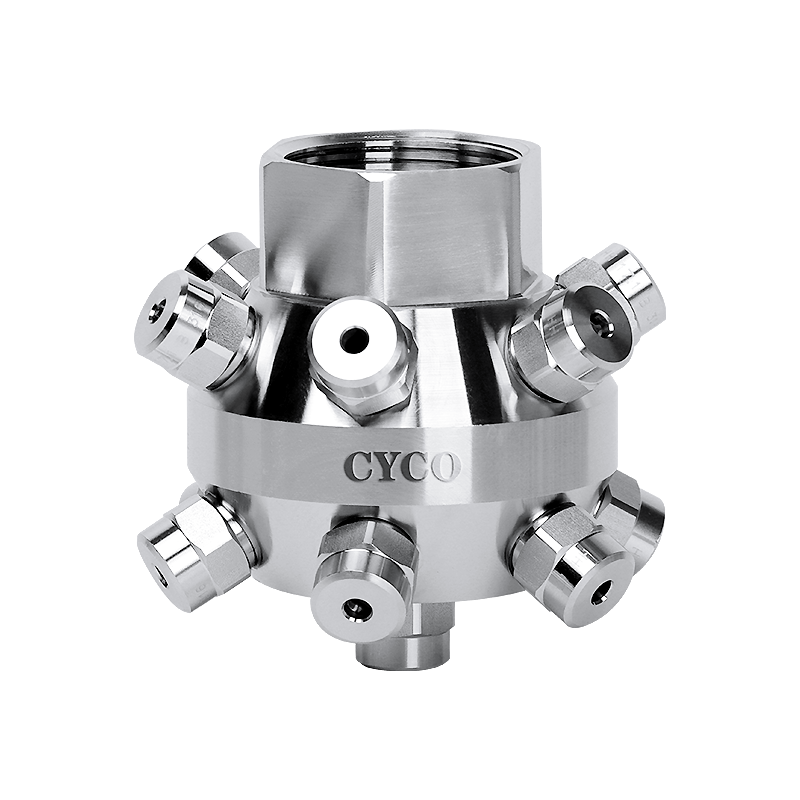
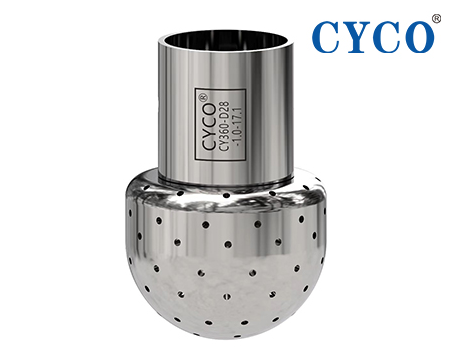
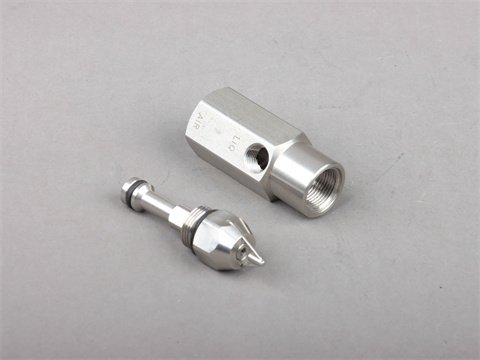
Stainless steel
Excellent corrosion resistance and high temperature performance, making it suitable for a variety of chemical cleaning and high temperature cleaning applications. Stainless steel nozzles are strong, durable and not easily deformed or clogged, and are widely used in food processing, chemical and pharmaceutical industries.
Ceramic
Extremely high hardness and abrasion resistance for cleaning fluids containing particulate matter. It can maintain stable performance under high-speed impact and is not easy to wear or deform. Ceramic nozzles also have better corrosion resistance and can be adapted to a variety of chemical cleaning applications. However, ceramic nozzles are more brittle and are prone to breakage on impact, so special care is needed when using them.
Plastic
The advantages of light weight and low cost make it suitable for some light cleaning applications. It can be processed into various shapes and sizes for easy installation and use. Plastic nozzles have better corrosion resistance, but not as good as stainless steel and ceramic nozzles. It is also less resistant to high temperatures and cannot work for a long time in a high temperature environment.
Material Selection Basis
When choosing the material of the cleaning nozzle, the following factors need to be considered:
Chemical Properties of Cleaning Fluid
Different cleaning fluids have different chemical properties, and have different requirements for nozzle materials. When selecting the material, you need to ensure that the nozzle can withstand the chemical corrosion of the cleaning fluid.
Cleaning Pressure and Flow Rate
Have a significant impact on the durability and performance of the nozzle. When selecting the material, you need to consider whether it can withstand the required operating pressure and flow.
Working Environment
Factors such as temperature, humidity, and particulate matter in the working environment can also have an impact on the choice of nozzle material. It is important to select a nozzle material that can be adapted to the working environment to ensure its stability and durability.
Specifications and Recommendations for Use
Correct Installation
When installing the cleaning nozzle, you need to make sure that it is installed in the correct position to avoid offsetting the spray angle or clogging. Installation should use the appropriate tools and methods to avoid damage to the nozzle.
Adjustment of Pressure and Flow Rate
When using the cleaning nozzle, you need to adjust the cleaning pressure and flow rate according to the specific cleaning needs. Too high pressure and flow rate will accelerate nozzle wear and damage, while too low pressure and flow rate will affect the cleaning effect. Therefore, it needs to be fully tested and adjusted before use.
Regular Maintenance
Regular inspection and maintenance of the cleaning nozzle is essential to ensure its proper operation and prolonged service life. It includes regular checking of nozzles for clogging, wear and leakage, as well as timely replacement of damaged nozzles and seals. In addition, the nozzle needs to be cleaned regularly to remove dirt and deposits from the surface.
Use Recommended Accessories
When using cleaning nozzles, it is necessary to use recommended accessories and cleaning agents. Do not use incompatible or low-quality products that may damage the nozzle or affect the cleaning results.
Summary
Cleaning nozzle material selection and use of specifications for industrial cleaning has an important impact on the effectiveness and efficiency. When choosing the material, you need to consider the chemical nature of the cleaning fluid, cleaning pressure and flow rate, as well as the working environment and other factors.
When in use, you need to follow the correct installation, adjustment and maintenance specifications to ensure the normal operation of the nozzle and extend the service life.
Through the reasonable selection and use of cleaning nozzles, you can improve the effectiveness and quality of industrial cleaning and reduce production costs and risks.