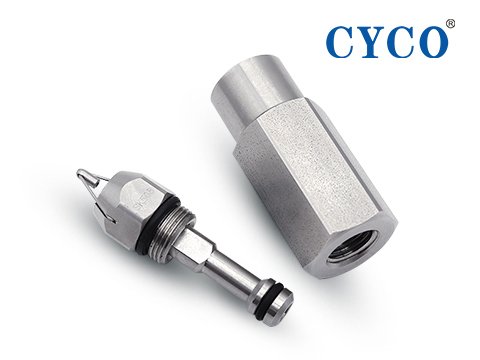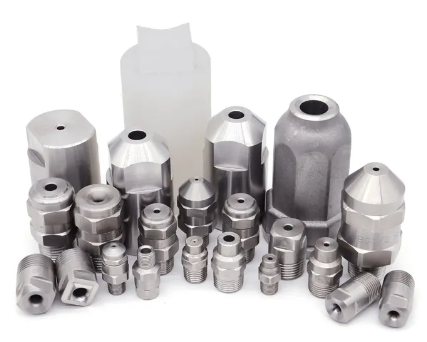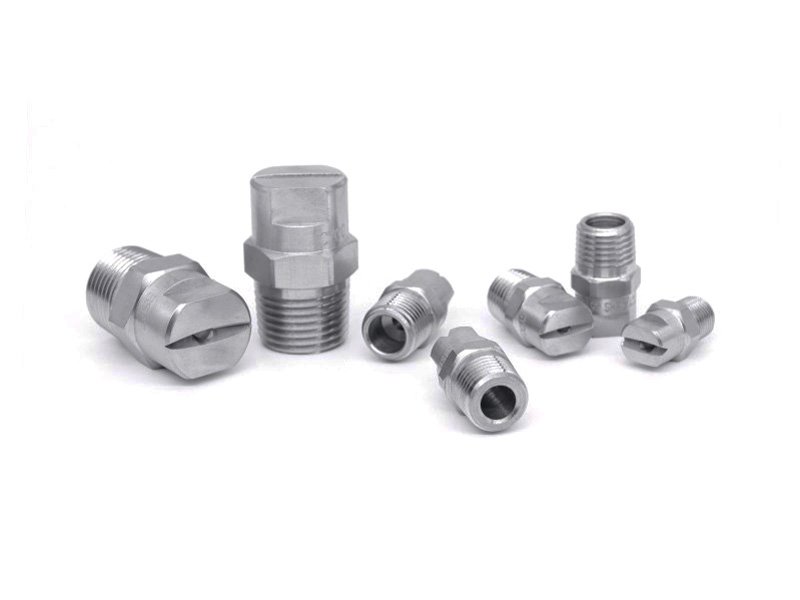
With the rapid development of the steel industry, environmental protection and energy efficiency have become key factors that cannot be ignored in the operation of steel plants. During the steel production process, high temperature combustion produces large amounts of nitrogen oxides (NOx), which is one of the major air pollutants.
In order to reduce these harmful emissions, many steel plants adopt the selective non-catalytic reduction (SNCR) technology, in which the SNCR spray gun is the core component.

Overview of SNCR Technology
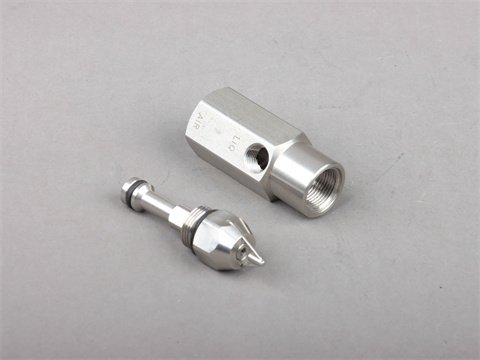
SNCR technology is a process that reduces NOx to nitrogen and water vapor without a catalyst. It reduces NOx emissions by spraying a reducing agent, such as ammonia or urea, into the high-temperature flue gas, utilizing a chemical reaction at high temperatures.The SNCR spray gun, as the key equipment in the technology, is responsible for spraying the reducing agent into the flue gas in a precise and efficient manner.
Application of SNCR Spray Guns in Steel Plants
In steel plants, SNCR spray guns are usually installed in the flue gas discharge path of boilers or heating furnaces. These locations are chosen based on factors such as high temperatures and flue gas flow rates to ensure that the reductant and NOx can mix and react adequately.
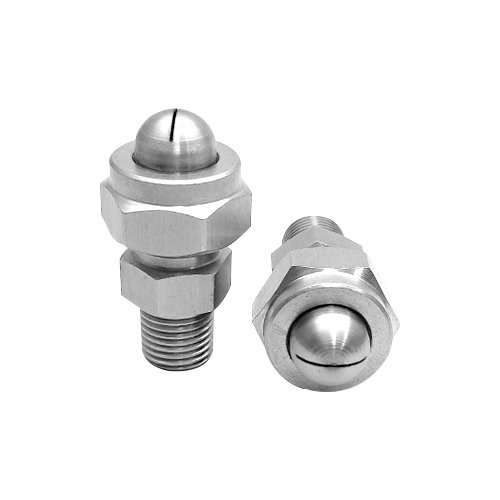
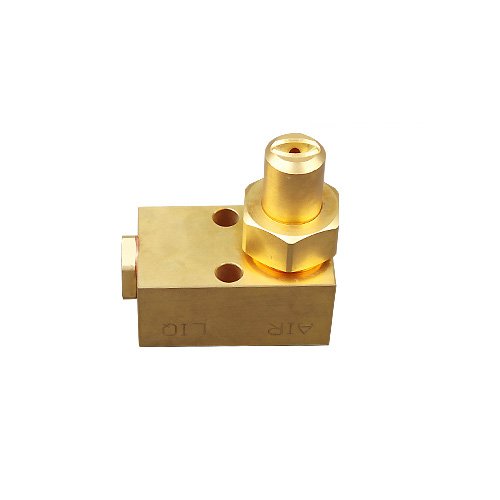
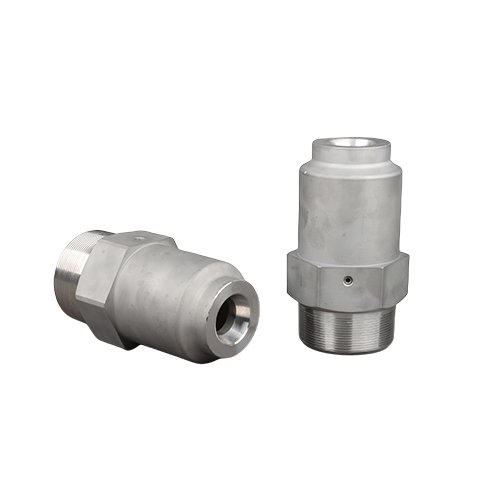
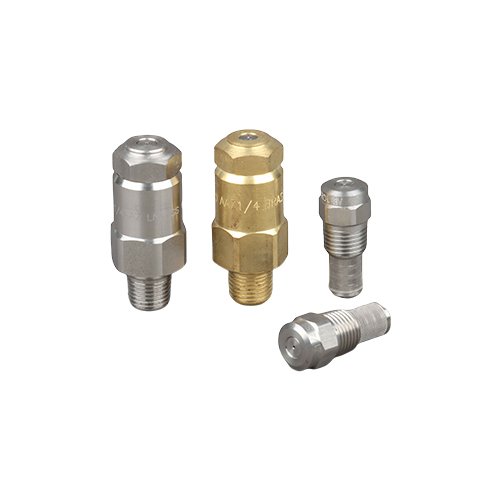
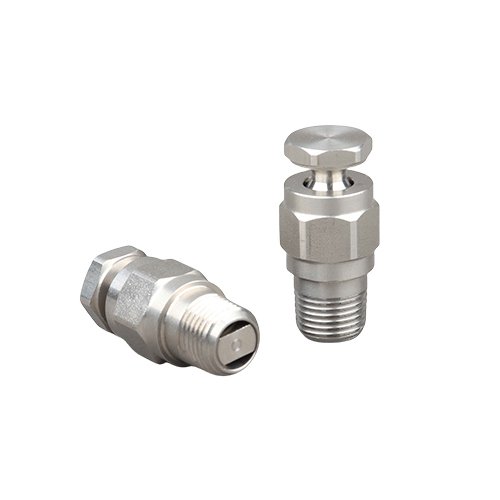
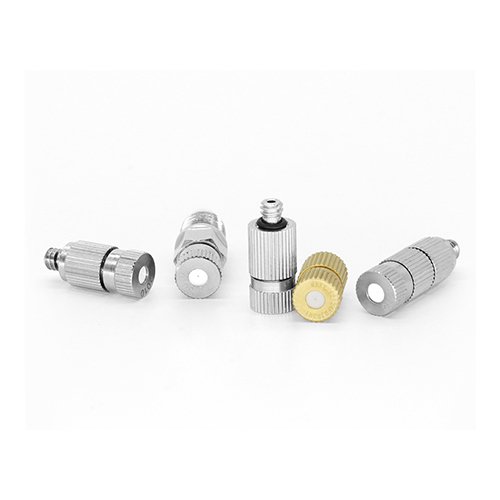
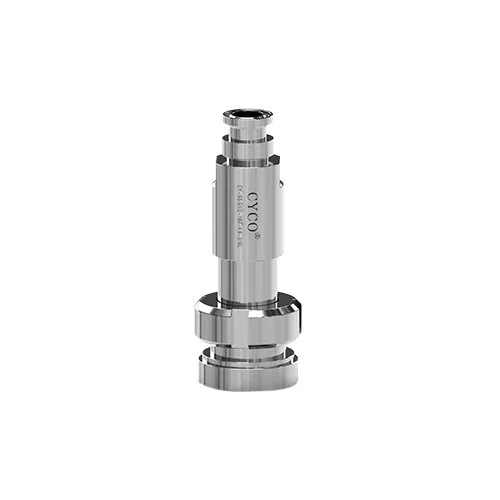
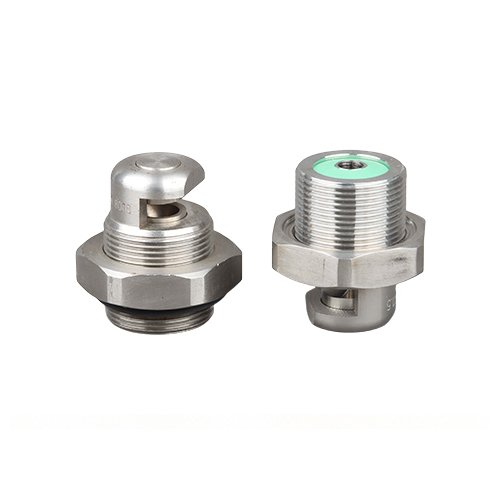
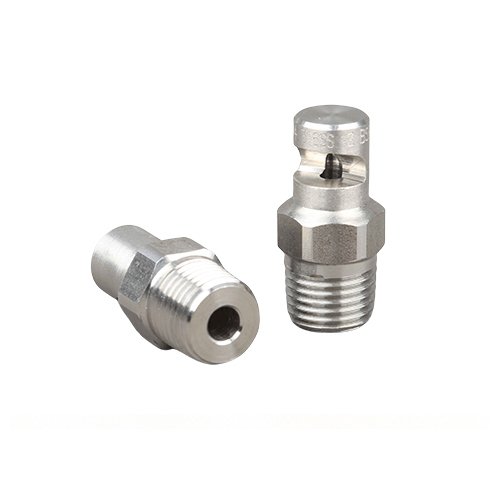
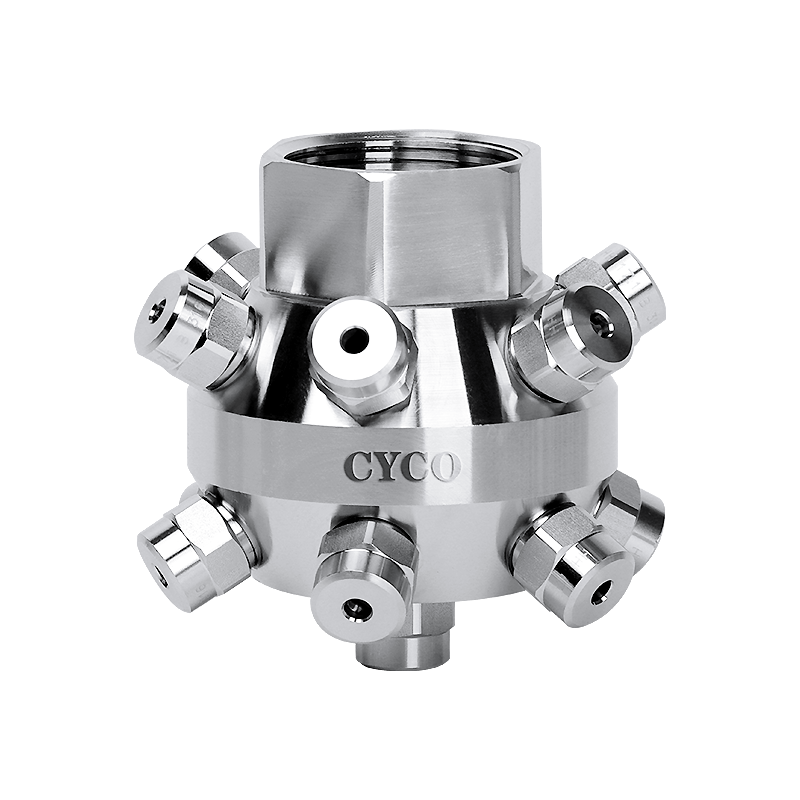
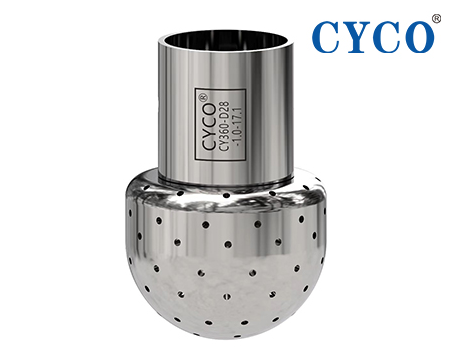
Spray guns are designed with the high temperature, dusty and corrosive environments typical of steel mills in mind. They are typically made of high-temperature and corrosion-resistant materials. They have a precise injection control system to ensure that the reductant is injected at the optimum time and position.
In addition, steel plants need to adjust the operating parameters of the SNCR spray gun, such as the type of reductant, injection speed and injection volume, according to the flue gas composition and emission requirements of the production process. The optimization of these parameters is crucial to improve the denitrification efficiency of SNCR technology.
By applying SNCR spray guns, steel plants are able to significantly reduce NOx emissions, minimize atmospheric pollution and comply with increasingly stringent environmental regulations. This not only enhances the environmental performance of the steel plant, but also helps to improve the air quality of the surrounding area.
However, SNCR spray guns also face some challenges. For example, high temperatures and corrosive environments can lead to wear and corrosion of the guns, requiring regular maintenance and replacement. In addition, the choice of reductant and the optimization of injection parameters need to be continuously adjusted to the actual conditions of the steel plant.
Summary
With the continuous progress of environmental protection technology and the continuous attention to energy saving and emission reduction in the steel industry, the application of SNCR spray gun in steel plants has a broad prospect.
In the future, it is expected that more efficient and durable SNCR spray guns will be introduced, contributing more to the environmental protection of steel plants. At the same time, steel plants should also actively explore the combination of applications with other environmental protection technologies to achieve a more comprehensive reduction of pollutants and improve energy efficiency.