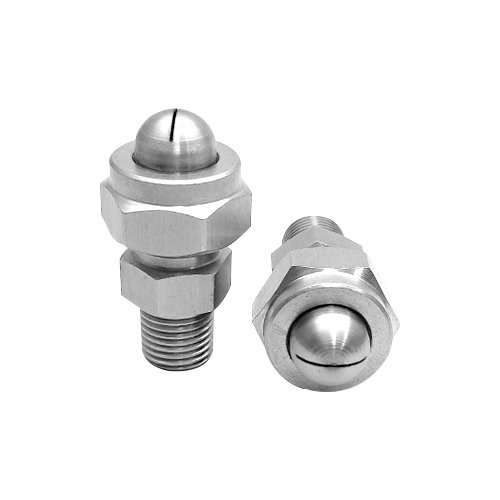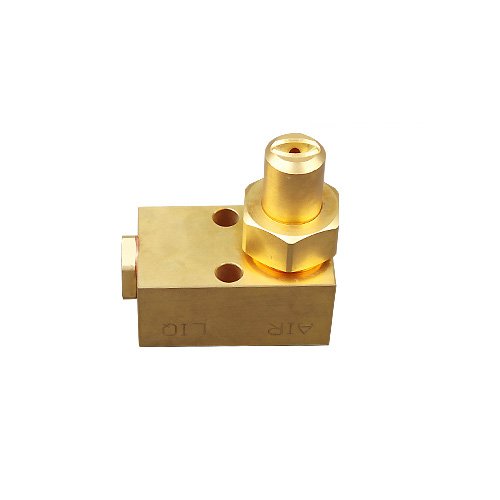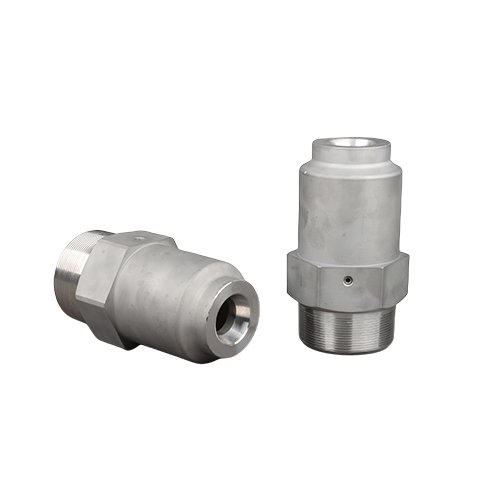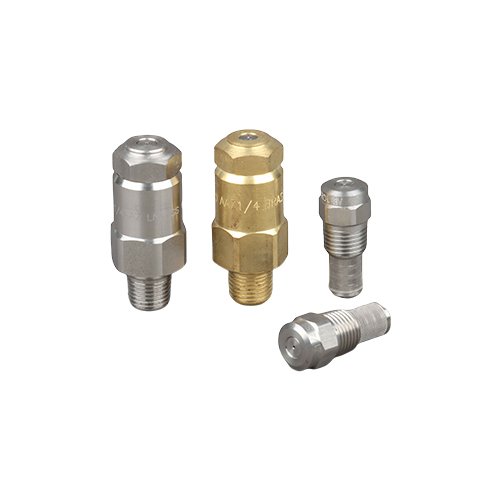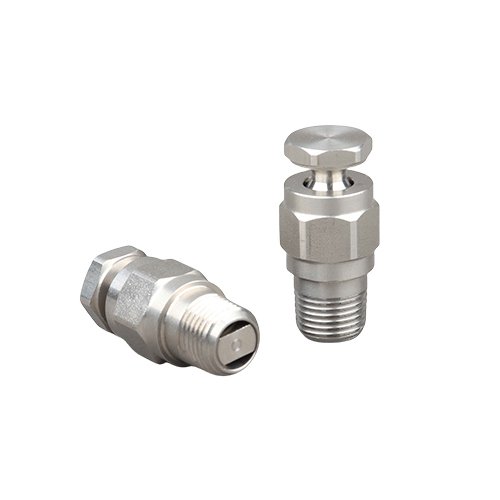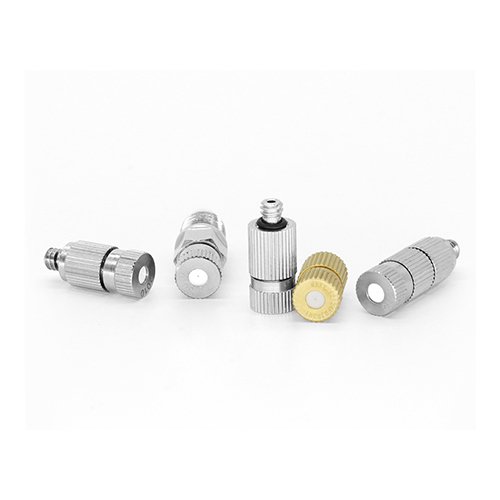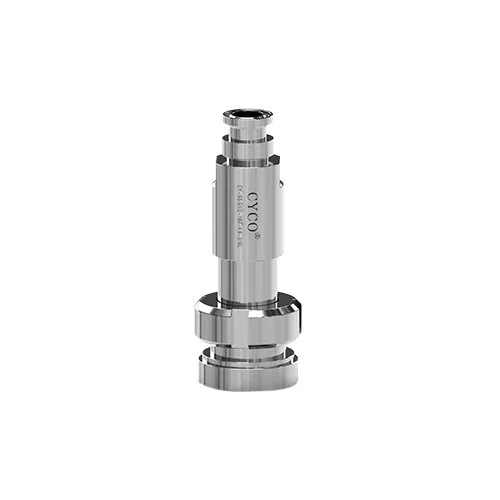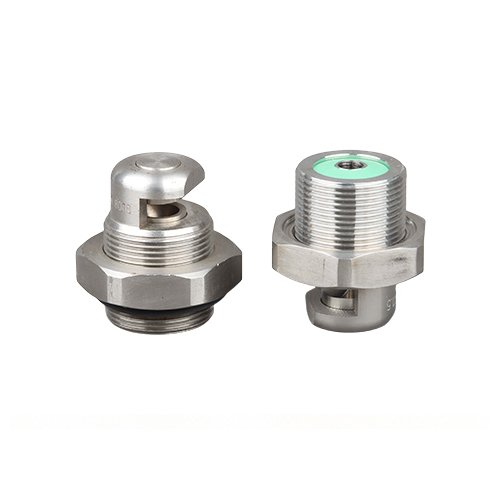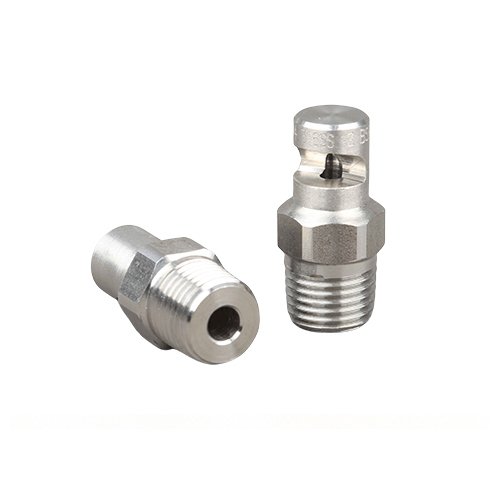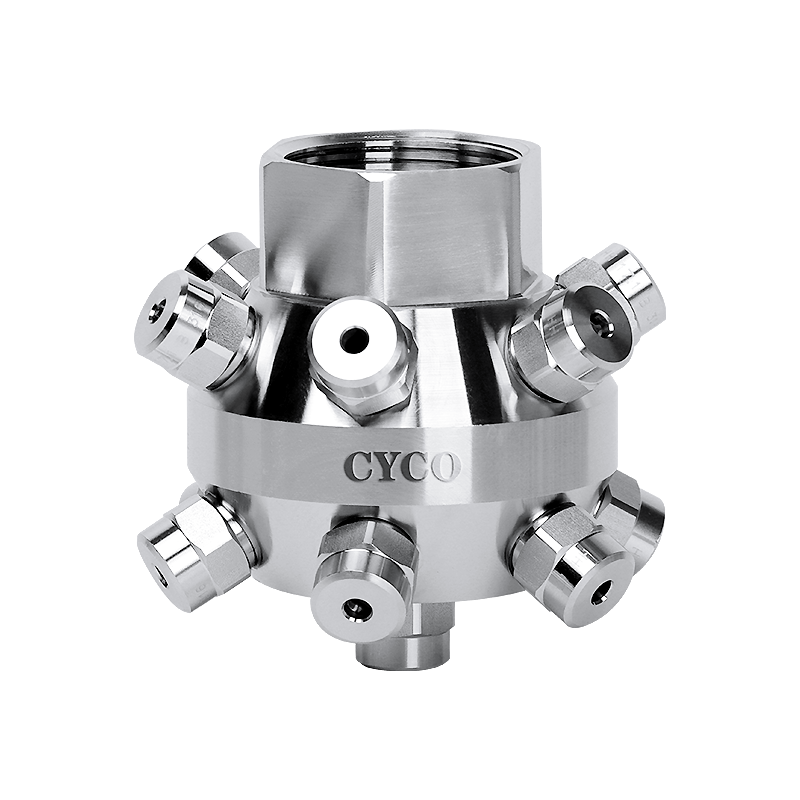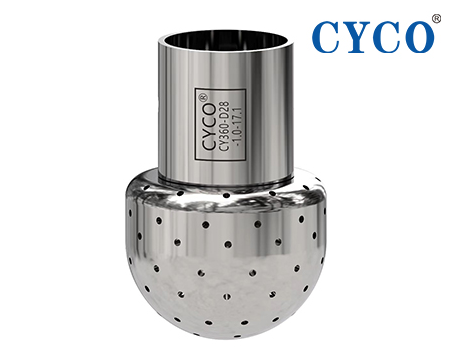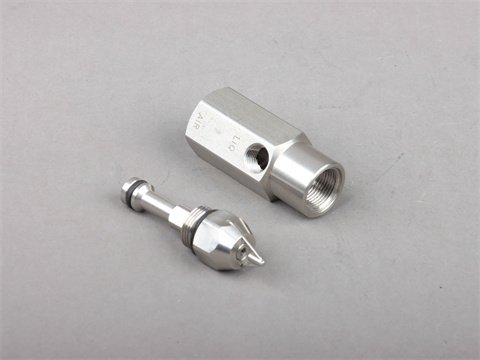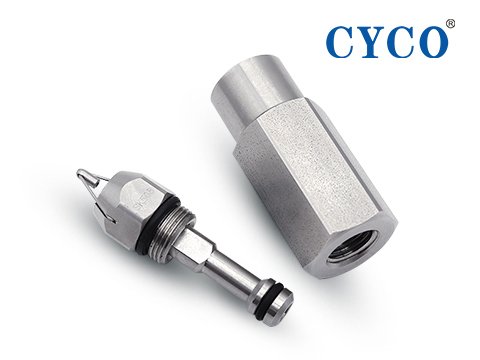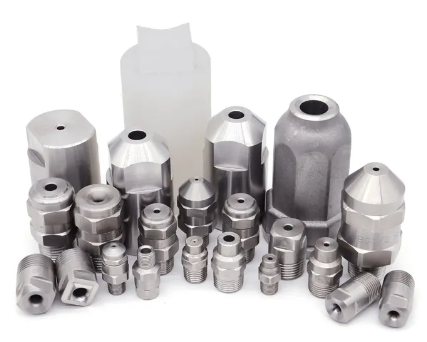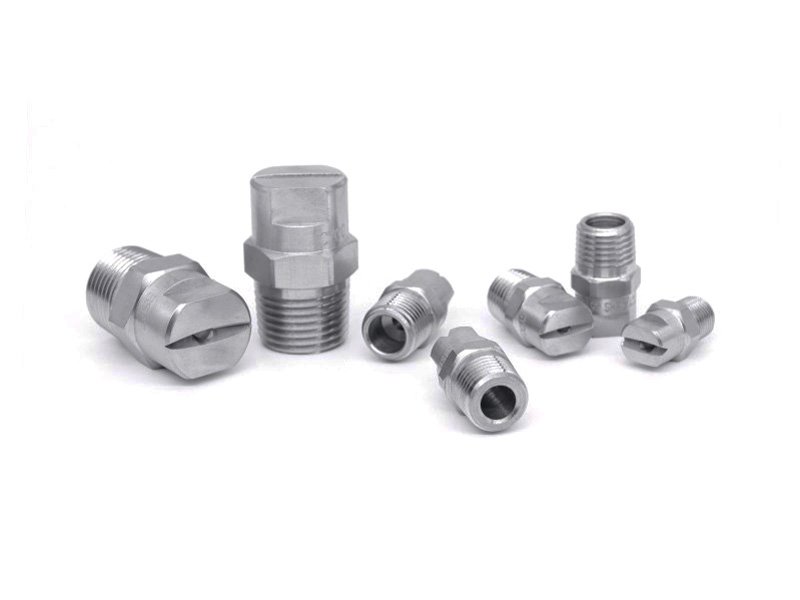
Venturi nozzles, as a fluid dynamics device, play a key role in many industrial sectors, especially in applications that require efficient mixing, blending or conveying of fluids. Understanding how they work is critical to optimizing their performance and improving productivity.
In this article, we will explore in detail how venturi nozzles work and the science behind them.

Structure of Venturi Nozzle
Usually consists of an inlet section, a contraction section, a throat, and a diffuser section.
The design of the constriction section allows for a gradual increase in the velocity of the fluid as it enters the nozzle;
The throat is where the flow velocity is maximized;
The diffuser section is used to convert the kinetic energy of the high-speed fluid into pressure energy, realizing the transportation or mixing of the fluid.
Working Principle of Venturi Nozzles
Based on Bernoulli’s equation and the continuity equation. When the fluid passes through the contraction section, the velocity of the fluid gradually increases due to the reduction of the circulation area. At the same time, according to Bernoulli’s equation, the pressure of the fluid decreases accordingly. In the throat, the flow velocity reaches its maximum value and the pressure drops to its minimum.
When the fluid enters the diffuser section, the circulation area gradually increases and the flow velocity begins to decrease. According to the continuity equation, the flow rate of the fluid remains constant and the decrease in flow rate is accompanied by an increase in pressure. In this way, the Venturi nozzle is able to convert the kinetic energy of the fluid into pressure energy, realizing the transportation or mixing of the fluid.
In addition, the venturi nozzle utilizes the suction effect of the high-speed fluid to draw the surrounding fluid into the nozzle to achieve fluid mixing or stirring. This suction effect makes the venturi nozzle has a wide range of applications in sludge treatment, chemical mixing and other fields.
Summary
Venturi nozzles utilize the principle of fluid dynamics to achieve efficient mixing, stirring and conveying of fluids by optimizing the flow rate and pressure distribution of fluids. Understanding its working principle is important for optimizing nozzle performance and improving production efficiency. In practical applications, the geometry of the nozzle needs to be adjusted according to the specific situation, taking into account the physical properties of the fluid and the operating conditions to achieve the best performance.