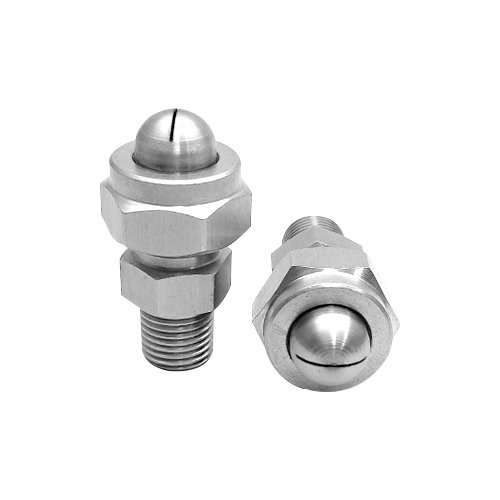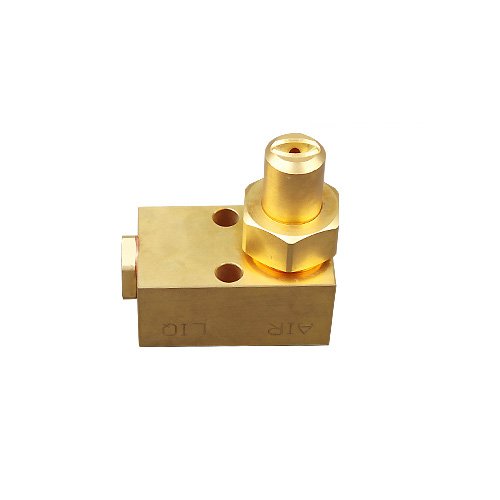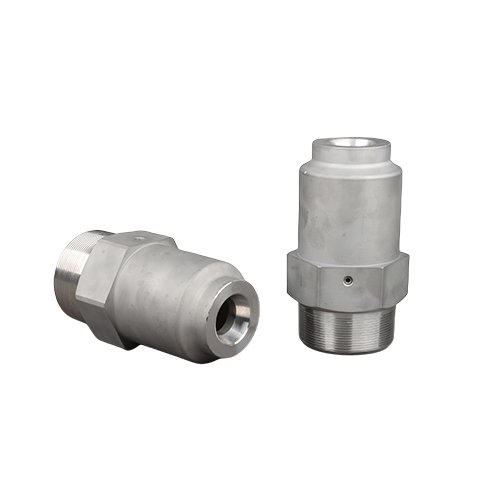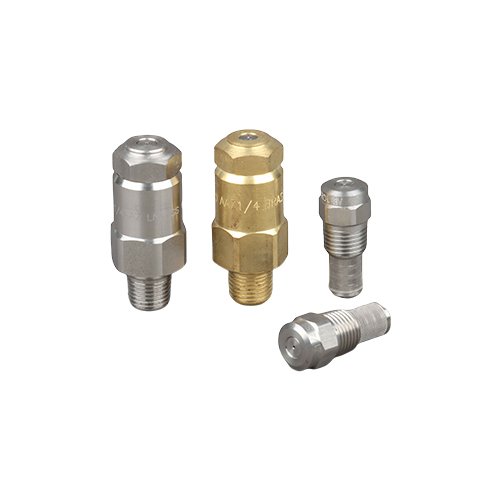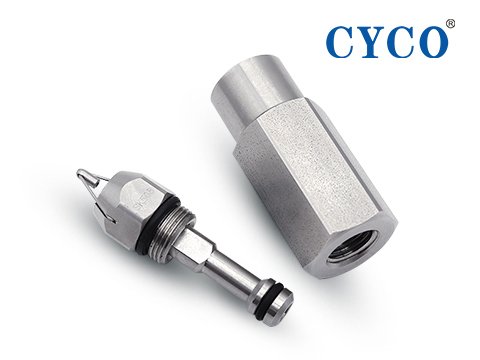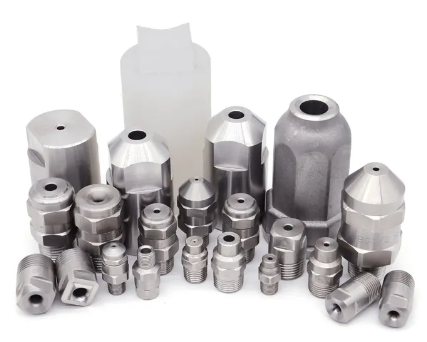
Nozzles, as key components of fluid control, play a vital role in several industries and fields. Proper selection and use of nozzles not only ensures accurate fluid distribution and injection, but also improves efficiency, saves energy, and reduces unnecessary waste and pollution.
This article provides a guide to the application of nozzles to help readers understand nozzle selection and use techniques.
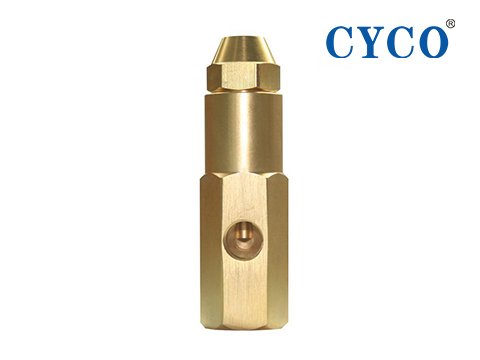
Tips for Selecting Nozzles
Identify Needs
The first step before selecting a nozzle is to define the needs of the application. There are factors to consider such as the nature of the fluid, operating pressure and flow requirements, as well as the spray angle and coverage of the nozzle. These factors will directly affect the selection and design of the nozzle.
Select the Right Type of Nozzle
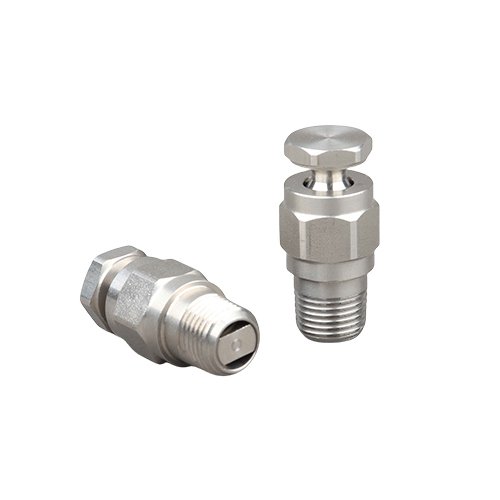
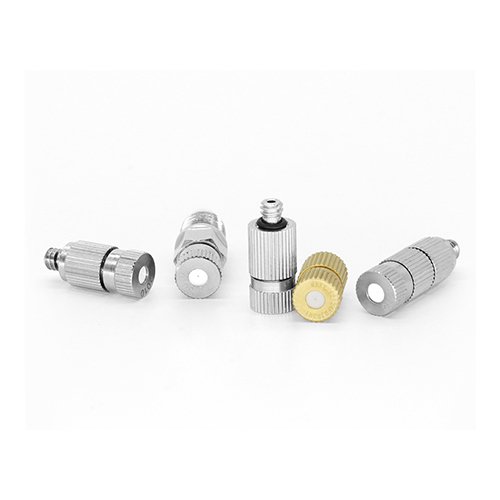
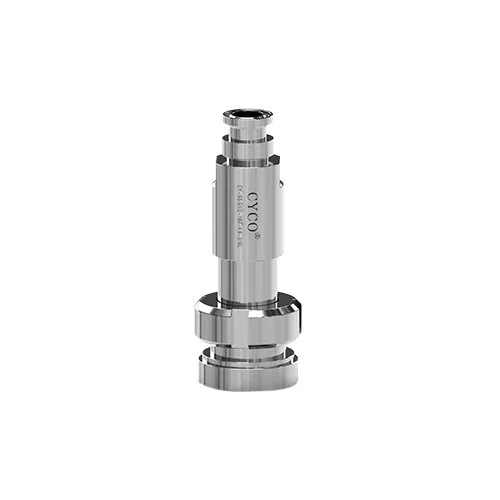
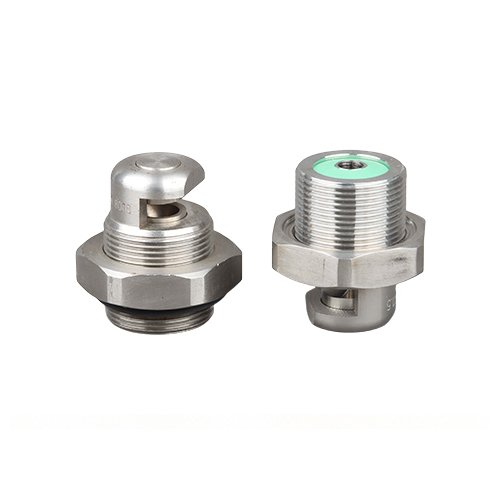
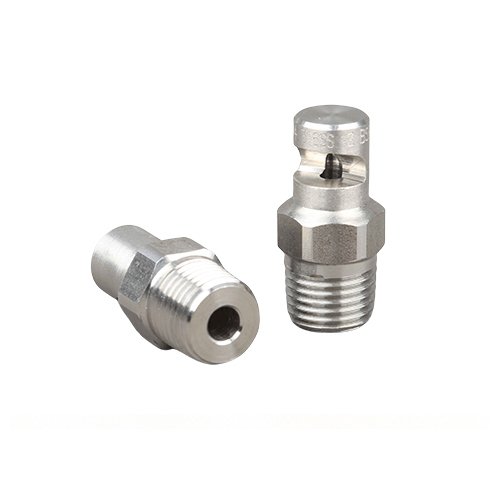
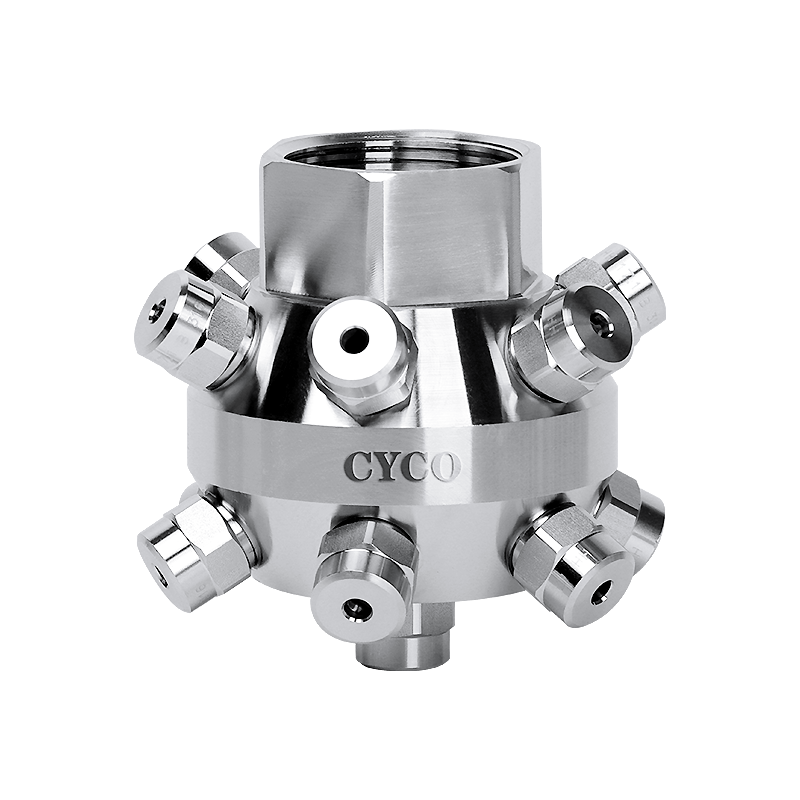
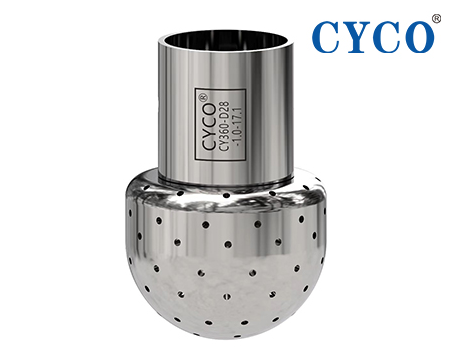
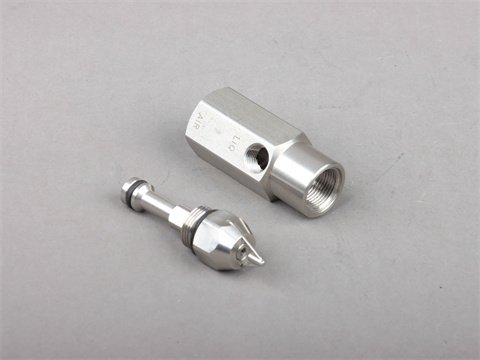
Select the appropriate nozzle type based on the application requirements. Common nozzle types include pressure nozzles, siphon nozzles, atomizing nozzles, and fan nozzles. Each nozzle type has its own specific operating principle and applicable scenarios, and the selection should be evaluated in the context of the actual situation.
Consider Materials and Corrosion Resistance
According to the nature of the fluid, select the appropriate nozzle material. Common materials include stainless steel, brass, and plastic. For corrosive fluids, choose materials with better corrosion resistance to ensure the service life and safety of the nozzle.
Note the Interface and Connection
When selecting nozzles, it is also important to note whether the interface and connection are compatible with existing equipment or piping systems. This ensures that the nozzle can be easily and reliably connected to the system to avoid leaks or other problems.
Tips for Using Nozzles
Keep Clean and Maintenance
Regular cleaning and maintenance of the nozzle is essential to keep it in good working condition. Regularly inspect and remove accumulated impurities or dirt to avoid clogging or wear of the nozzle. For parts that are easily worn out, replace them promptly to ensure spraying effectiveness.
Adjust the Spraying Angle and Flow Rate
Adjust the spray angle and flow rate of the nozzle according to actual needs. Different spraying effects can be achieved by adjusting the position of the nozzle or replacing the nozzle with a different size.
Control of Operating Pressure
Reasonable control of the working pressure is very important to ensure the normal operation and prolong the service life of the nozzle. Too high a working pressure may lead to nozzle damage or leakage, while too low a working pressure may affect the spraying effect. Make adjustments according to the rated working pressure of the nozzle and the actual working conditions.
Attention to Safe Operation
When using the nozzle, pay attention to safe operation. Avoid touching the nozzle or fluid directly under high pressure or high temperature conditions to avoid injury. At the same time, make sure the nozzle is fixed reliably to prevent accidental dislodgement or leakage during operation.
Summary
The correct selection and use of nozzles is essential for improving efficiency, saving energy and protecting the environment. By understanding the selection and use techniques, you can better utilize the nozzles and extend their service life. It is hoped that the guidelines in this article will provide the reader with some assistance and guidance in the application of nozzles.