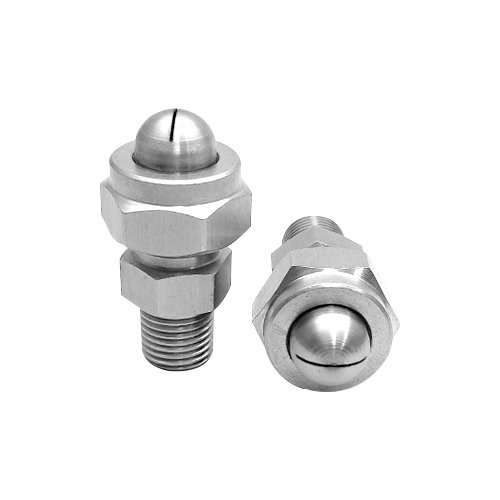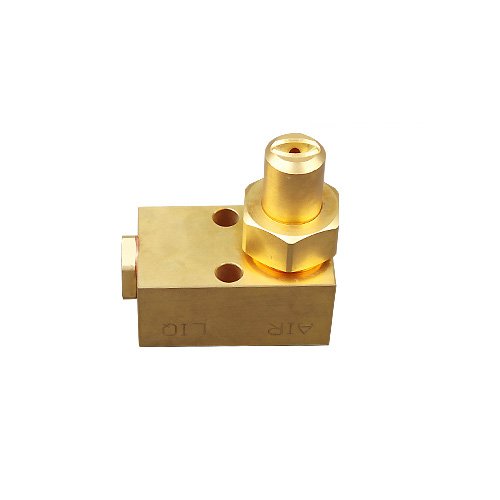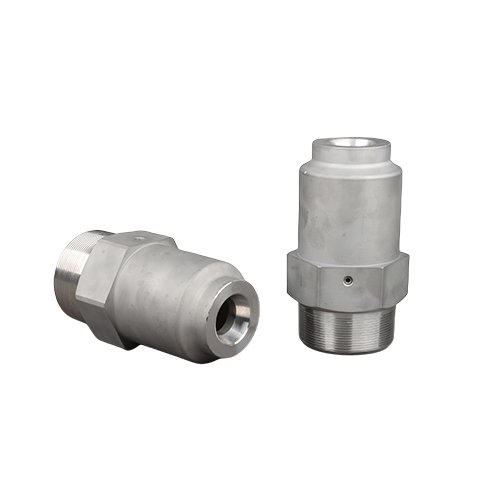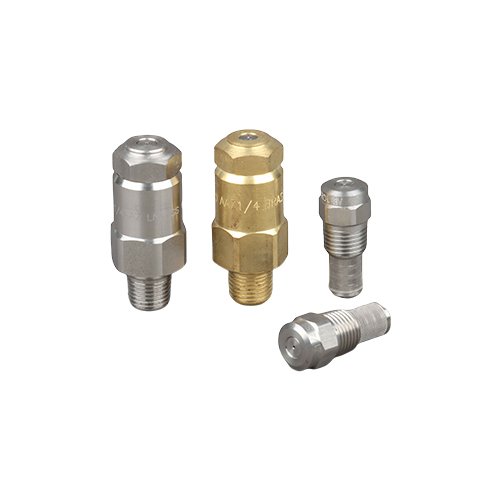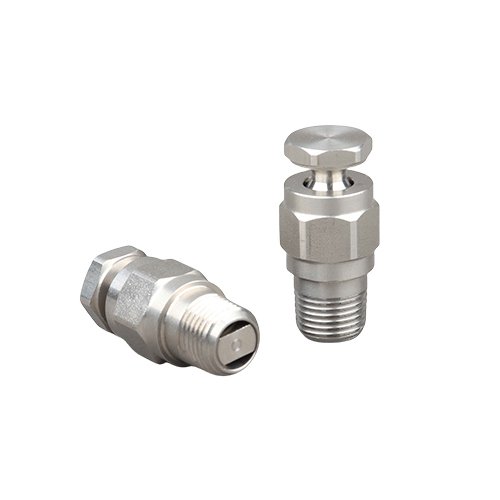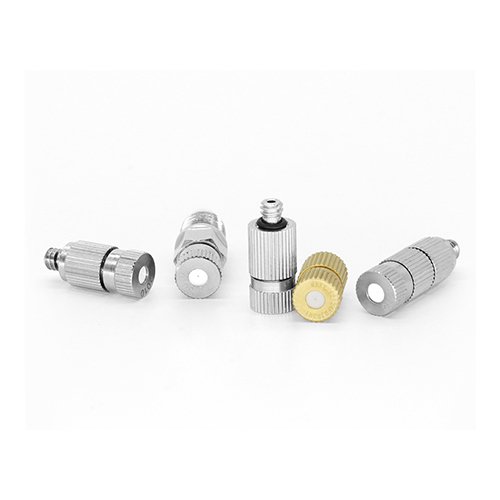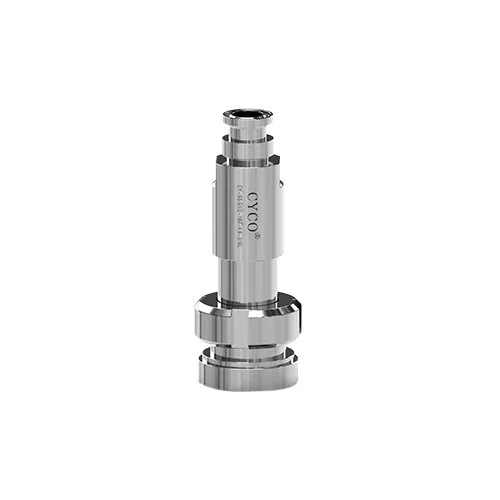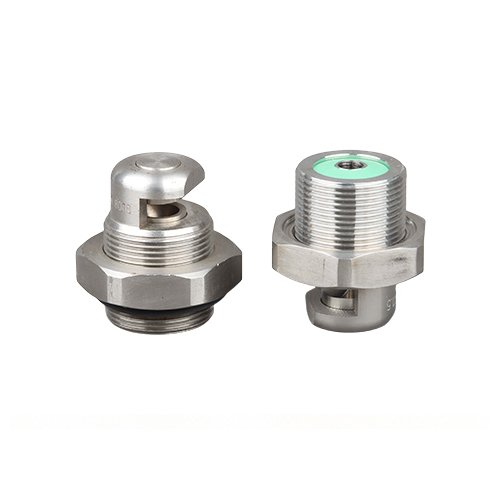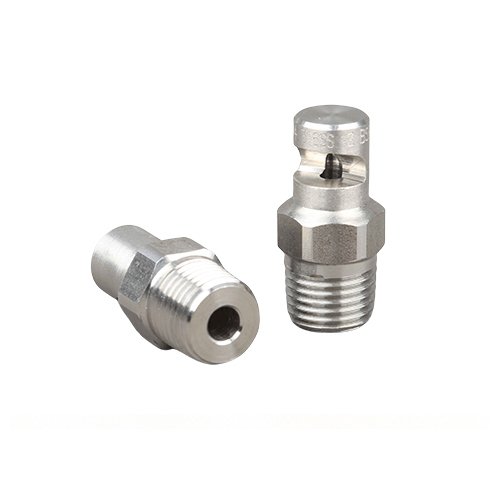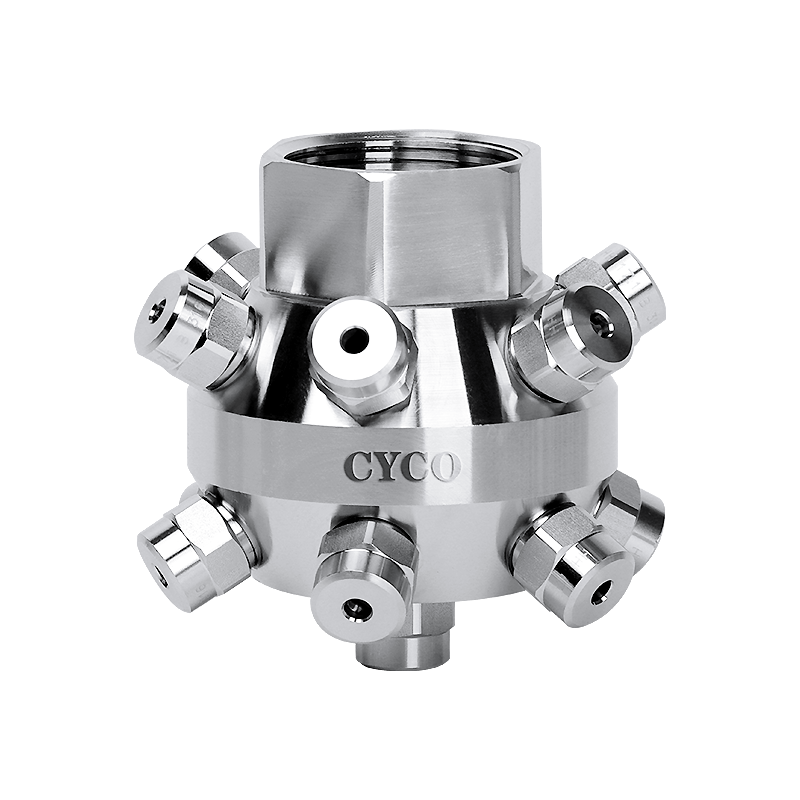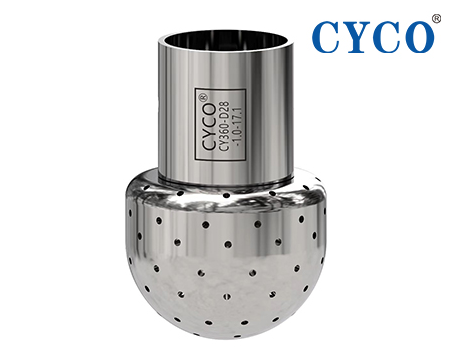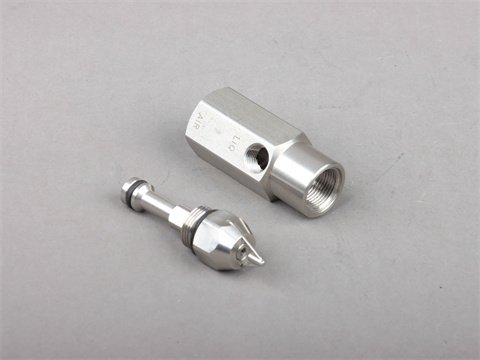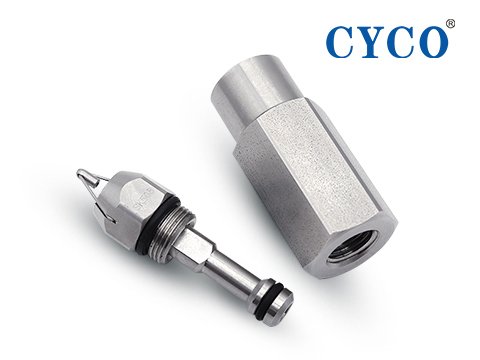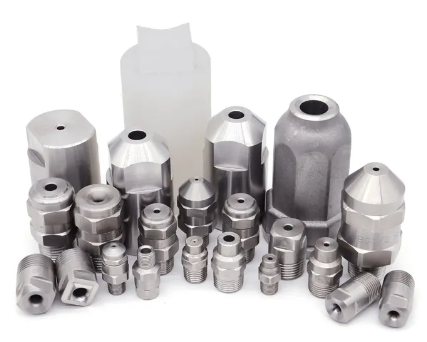
In nozzle technology, ultrasonic atomizing nozzles and conventional nozzles are two common choices. There are significant differences between these two nozzles in terms of principle, performance and application. This article will compare these two types of nozzles in detail, analyze their advantages and disadvantages, in order to help readers make a more informed choice.
Principle of Operation
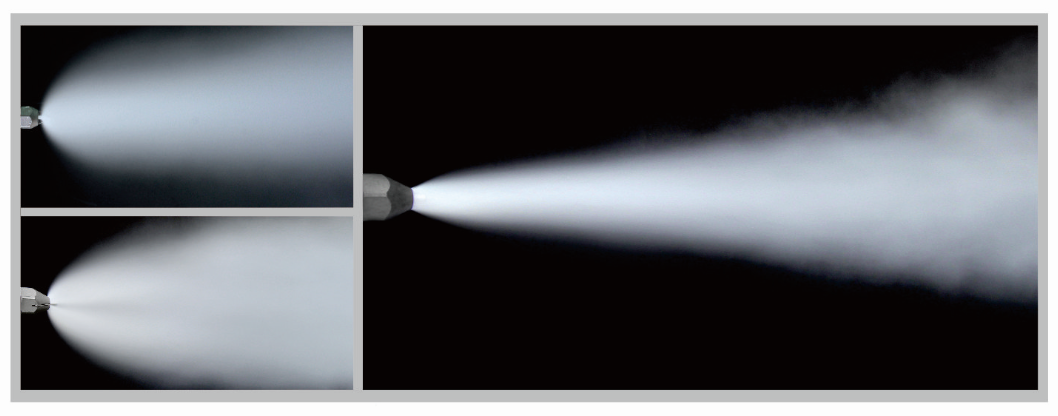
Conventional nozzles mainly rely on pressure or centrifugal force to break the liquid into small droplets, which will form a spray. The ultrasonic atomizing nozzle uses high-frequency vibration (ultrasonic) to break the liquid into micron or nanometer droplets to achieve a more detailed atomization effect.
Comparison of Benefits
Ultrasonic Atomizing Nozzles
Efficient Atomizing: Due to the use of ultrasonic technology, a more detailed and uniform atomizing effect can be achieved, increasing the surface area and diffusion capacity of the liquid.
Energy Saving and Environmental Protection: It can accurately control the liquid flow and atomizing degree to reduce the liquid waste and pollutant emission.
Wide Adaptability: It can be adapted to different liquid properties and working conditions with strong versatility.
Conventional Nozzles
Simple structure: Relatively simple structure, low manufacturing and maintenance costs.
Widely Used: Extensively used in traditional industrial fields, such as cleaning, cooling, fire extinguishing.
Easy to Operate: The operation is relatively simple and requires relatively little skill of the user.
Comparison of Disadvantages
Ultrasonic Atomizing Nozzles
High Cost: Due to the use of advanced ultrasonic technology, the manufacturing cost and selling price are usually higher than conventional nozzles.
Complicated Maintenance: If there is a problem, it may require a specialized technician to overhaul and maintain it.
Conventional Nozzles
Limited Atomizing Effect: Compared to ultrasonic atomizing nozzles, the atomizing effect of conventional nozzles may not be sufficiently detailed and uniform.
Easily Affected by Liquid Properties: For some liquids with high viscosity and high surface tension, the atomizing effect of conventional nozzles may be greatly affected.
Easy to Clog and Wear: Due to the limitations of the operating principle, conventional nozzles can suffer from clogging and wear during use.
Summary and Recommendations
Ultrasonic atomizing nozzles and conventional nozzles all have their own benefits and drawbacks for different scenarios and needs. For applications that require high efficiency and fine atomization, such as advanced spraying and medical atomization, ultrasonic atomizing nozzles are a better choice. For some traditional industrial applications, such as cleaning and cooling, conventional nozzles still have certain advantages due to their low cost and simple operation. When choosing, it is necessary to make a comprehensive consideration according to the actual needs and budget.