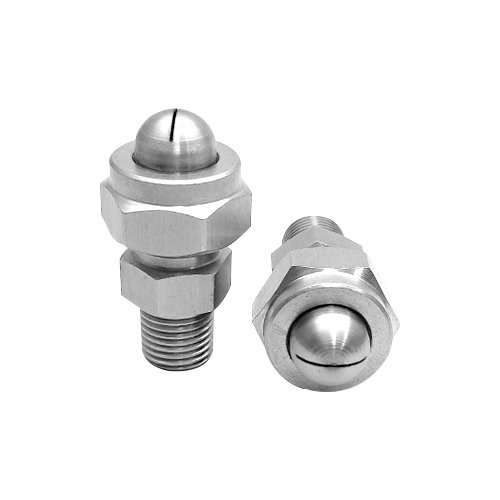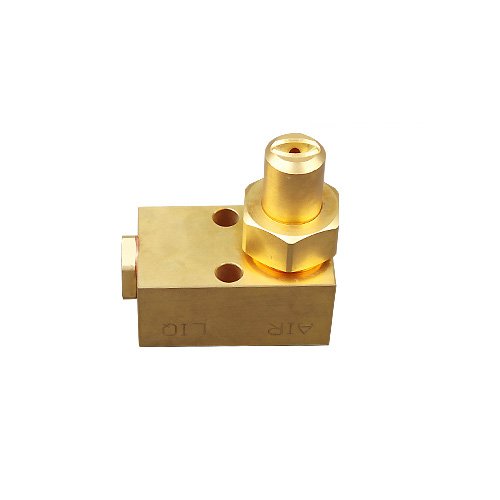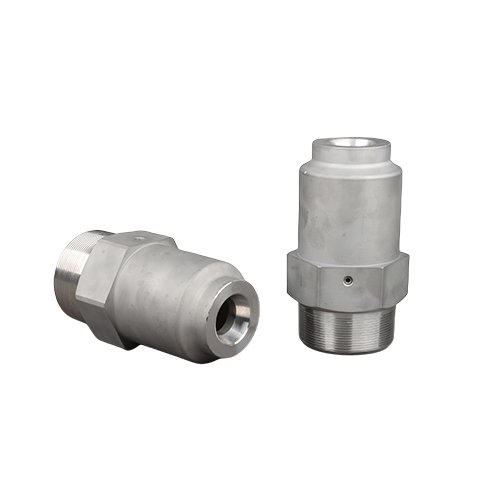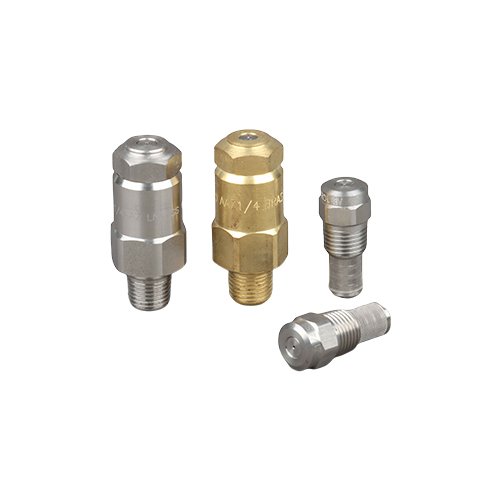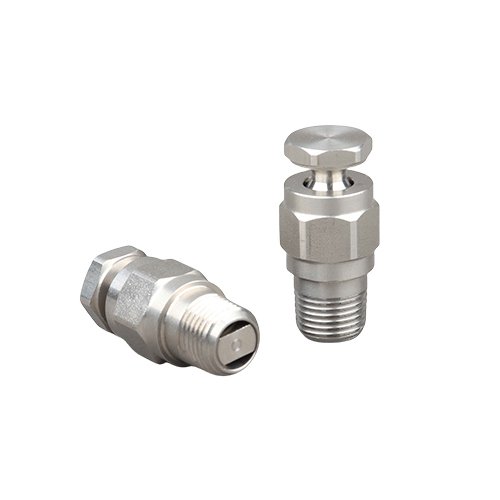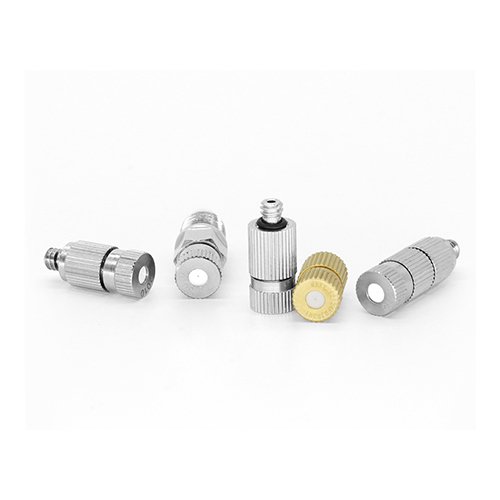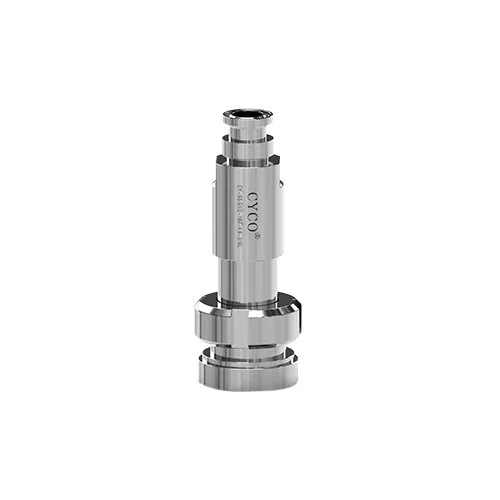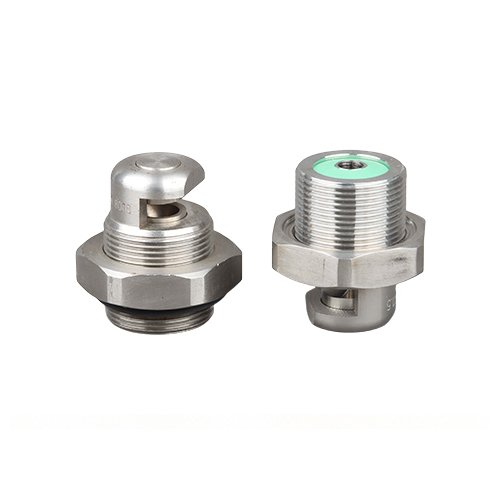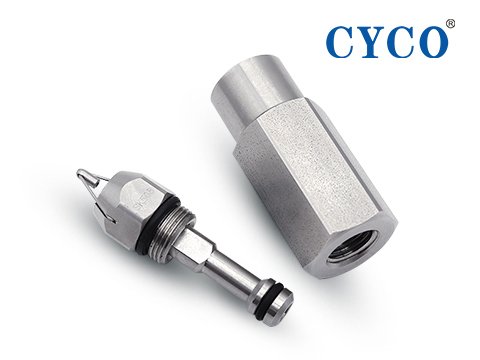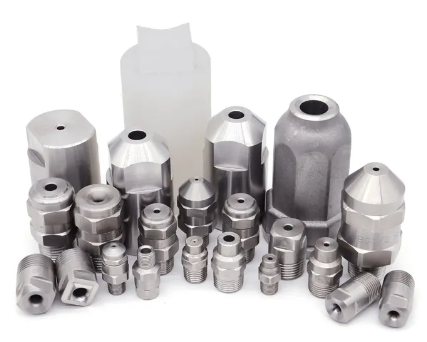
Atomizing nozzle is a kind of nozzle widely used in spraying, painting, wetting and other industrial fields. In order to ensure the quality and performance of atomizing nozzles, standardized specifications and models are particularly important.
In this article, we will introduce the standard specifications and models of atomizing nozzles in detail to help readers better understand and choose the right product for them.

Standard Specifications of Atomizing Nozzles
Nozzle orifice: usually measured in mm, common orifice specifications are 0.5mm, 1.0mm, 1.5mm and so on. Orifice size directly affects the size of the spray particles and spray coverage.
Spray angle: refers to the fan angle of the liquid sprayed from the nozzle. Generally speaking, the spray angle can be adjusted between 15° and 120°. Different spray angle can meet different application requirements.
Nozzle material: usually stainless steel, brass, plastic and so on. Different materials have different corrosion resistance and high temperature resistance. It is necessary to choose the appropriate material according to the specific working environment and medium.
Models of Atomizing Nozzles
The models of atomizing nozzles can be divided into the following types according to their functions and uses:
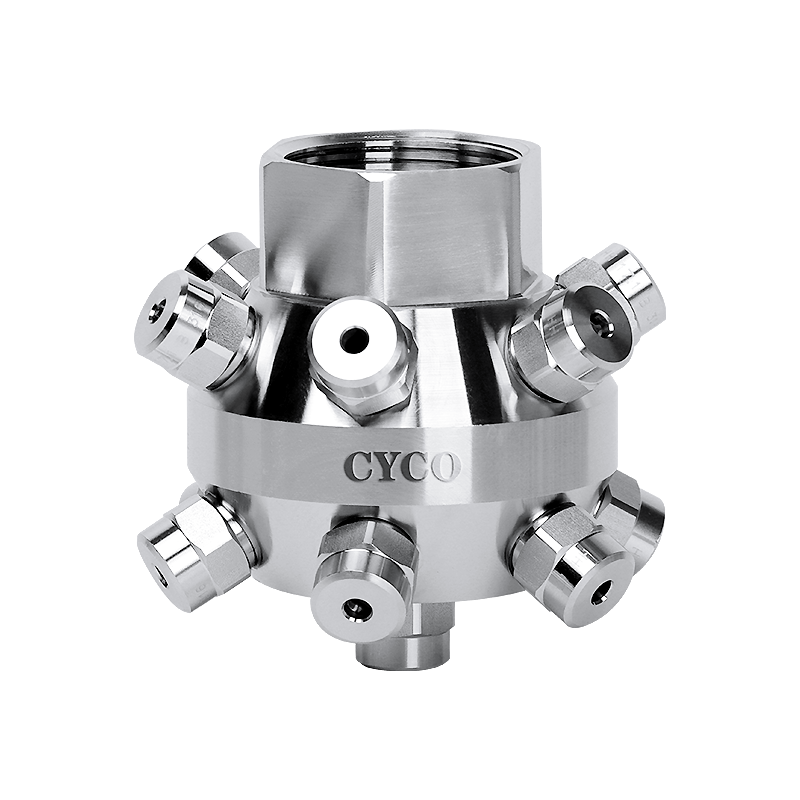
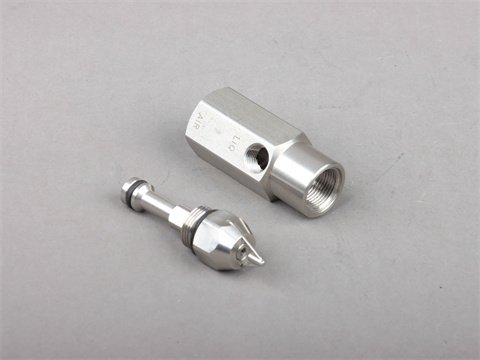
Pressure type: suitable for high-pressure environments, it is able to atomize the liquid into tiny particles to achieve a uniform spraying effect.
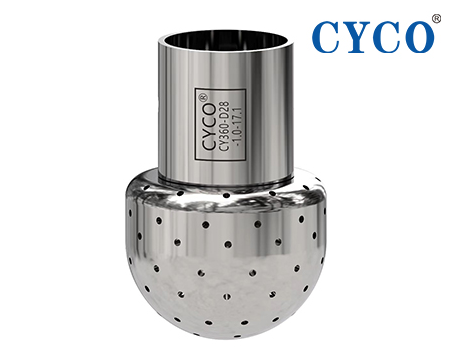
Rotating type: atomizes the liquid by means of high-speed rotation, suitable for large-area spraying and wetting operations.
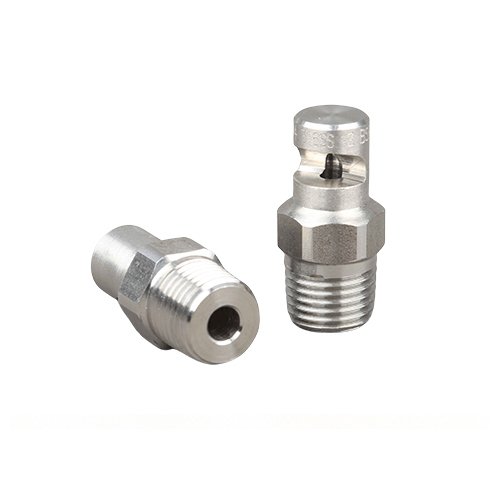
Fan-shaped: can produce the spray effect of fan-shaped, suitable for application scenarios that require wide coverage.

Methods for Selecting Suitable Specifications and Models
When choosing atomizing nozzles, you need to determine the appropriate model and specifications according to the specific application requirements and scenarios.
First, it is necessary to define the required spray particle size and coverage in order to select the appropriate caliber and spray angle.
Secondly, the appropriate nozzle material should be selected according to the corrosiveness of the working environment, temperature and other factors.
Finally, select the appropriate atomizing nozzle model based on the specific operational requirements, such as pressure, rotating or fan-shaped atomizing nozzles.
Conclusion
In summary, it is important to understand the standard specifications and models of atomizing nozzles for the correct selection and use of products.
We hope that this article can help readers better understand the specifications and models of atomizing nozzles, and choose the suitable high-quality products for their practical applications to improve work efficiency and spraying effect.