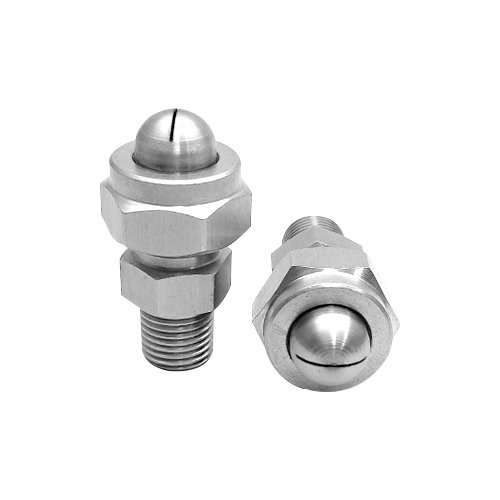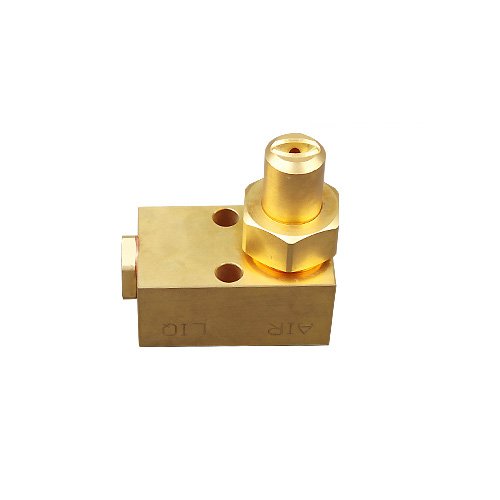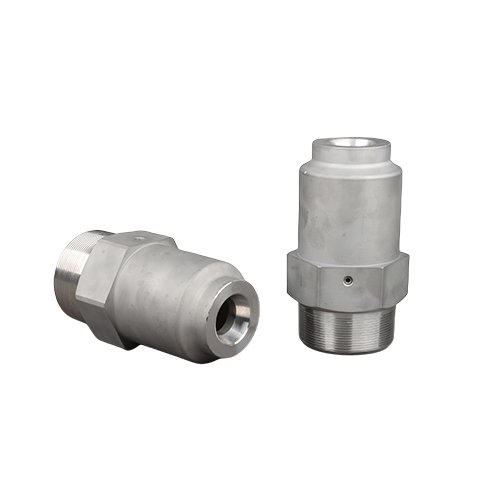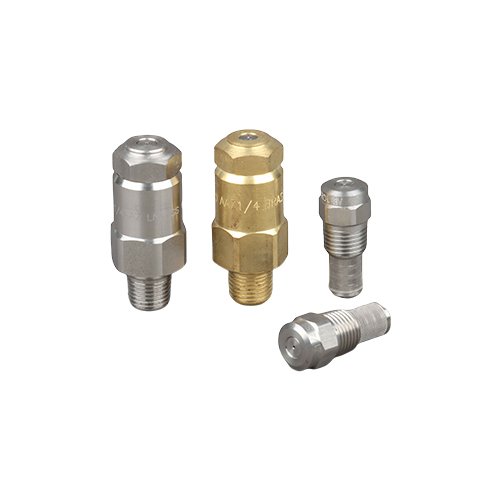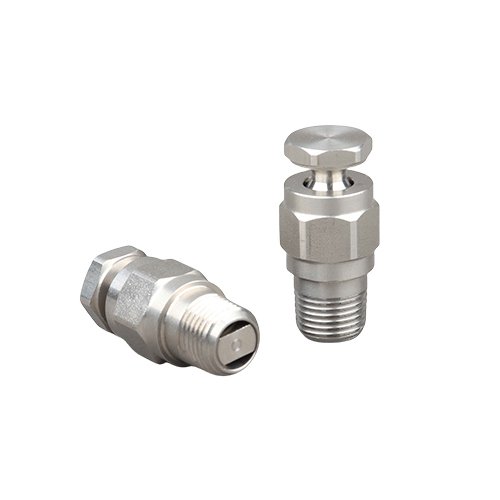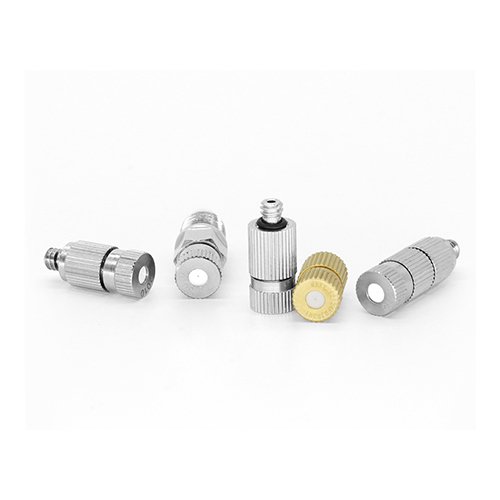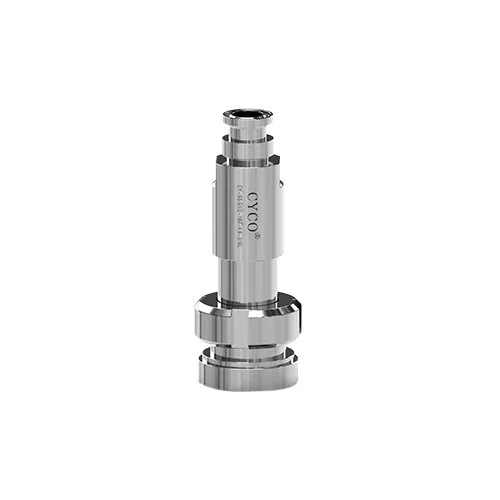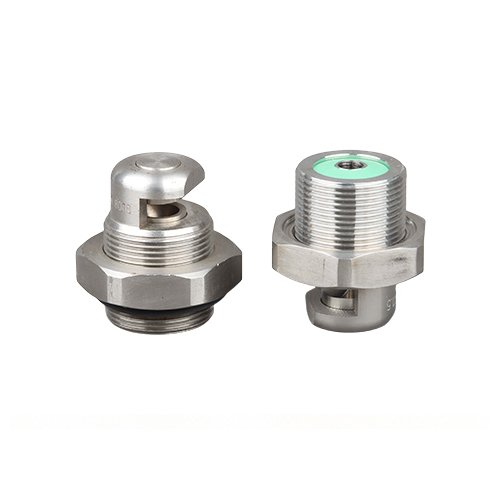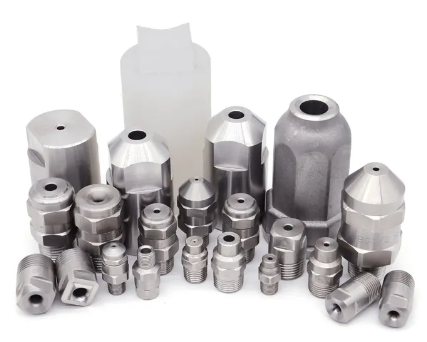
Reaction kettles are the core equipment in many industrial processes and are particularly important in the chemical, pharmaceutical and food industries. In order to ensure the stability of temperature and pressure inside the reactor, as well as to realize efficient mixing and reaction, spraying device has become an indispensable part of the reactor. This article will introduce you to the main types of reactor spray device and its application.
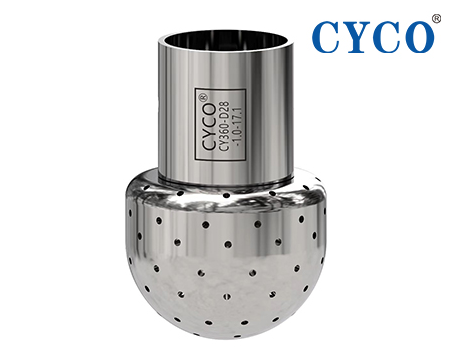
The Main Functions of Spraying Devices
Before understanding the specific spraying device, we should first clarify its main function:
Temperature control: by spraying the liquid to realize the temperature adjustment in the reactor, and ensure that the reaction is carried out within the set temperature range.
Mixing and stirring: some spraying device design can play the role of stirring to promote the uniform mixing of materials in the kettle.
Cleaning: after the reaction is completed, some spraying devices can be used to clean the kettle for the next reaction.
The Main Types of Spraying Devices
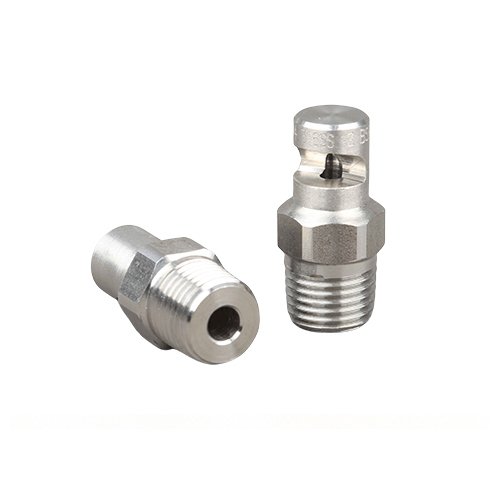
Top spraying device: installed at the top of the reactor, the liquid is sprayed onto the reaction material from top to bottom by nozzles. It is suitable for those scenarios where rapid cooling or cleaning is required.
Side spraying device: mounted on the side of the kettle, this design provides a more uniform coverage of the reaction material. It is suitable for reaction processes that require a long period of time.

Bottom spraying device: fitted at the bottom of the kettle, the liquid is sprayed in the reverse direction from bottom to top, ensuring that the material is well mixed during the reaction.
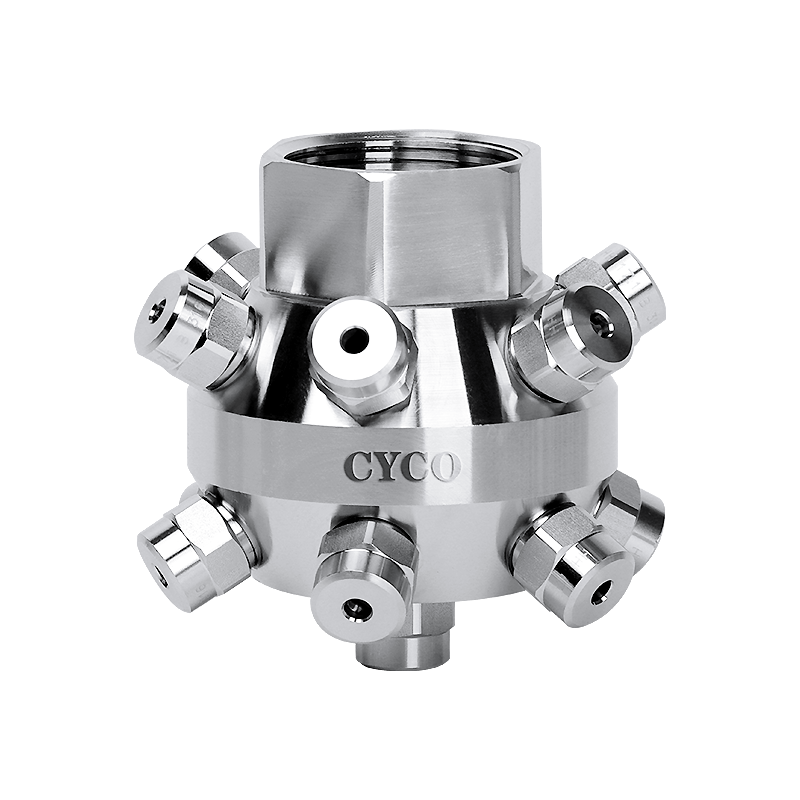
Rotating spraying device: combines the functions of spraying and stirring. Usually located at the top or side of the kettle, the nozzle can be rotated to achieve 360° full-coverage spraying, which ensures that the material can be uniformly mixed and cooled at any angle.
Selection and Application
When selecting a spraying device, the first thing to be considered is the capacity and shape of the reactor as well as the reaction conditions. For example, for large reactors, a rotating spraying device may be more appropriate because it ensures that the material is treated evenly in all areas. For smaller reactors that require rapid cooling, a top spray may be more appropriate.
Additionally, the nature of the reaction is an important basis for selecting a spraying device. Some reactions may be very sensitive to temperature requiring high precision and stability of the spraying device. Other reactions may require slow mixing over a long period of time, where a side or bottom spraying device may be more appropriate.
Conclusion
Reactor spraying device is a key component to ensure stable and efficient reaction. When choosing, it is necessary to comprehensively consider the size and shape of the reactor, reaction conditions, reaction properties and other factors to ensure that the choice of spraying device can best meet the specific production requirements. At the same time, regular maintenance and repair is also the key to ensure the long-term stable operation of the spraying device.