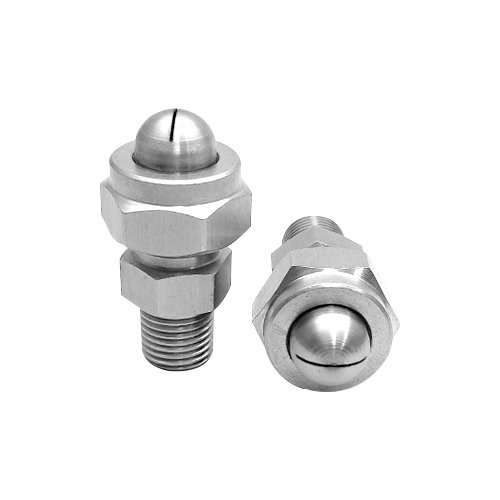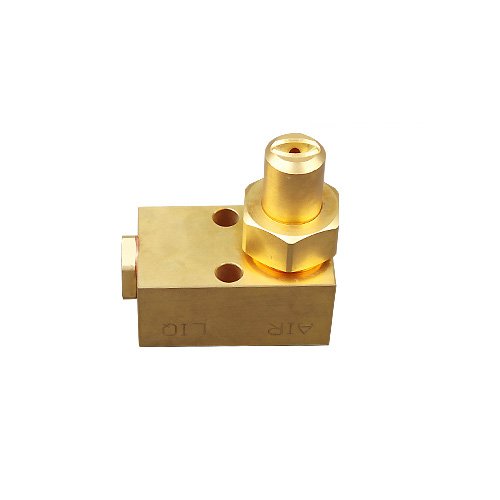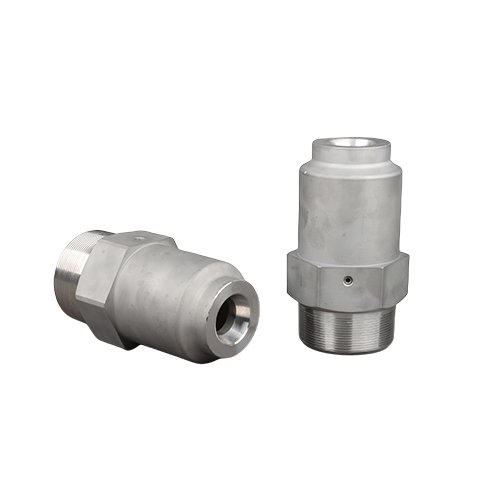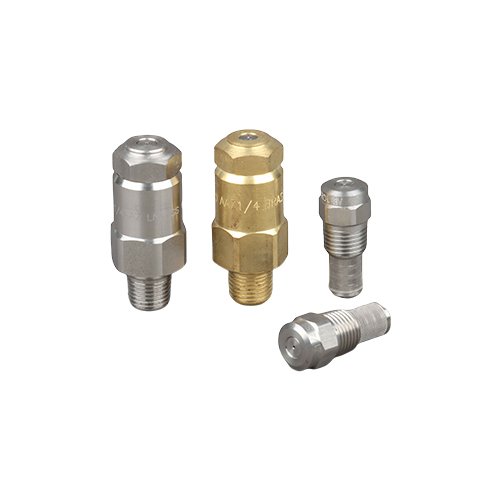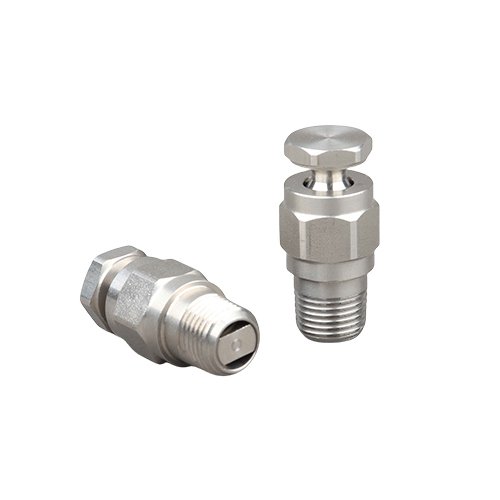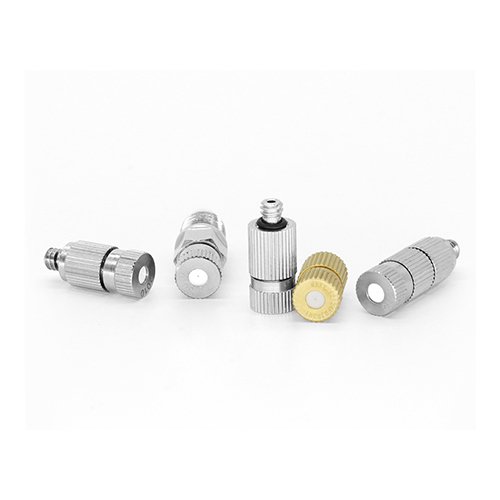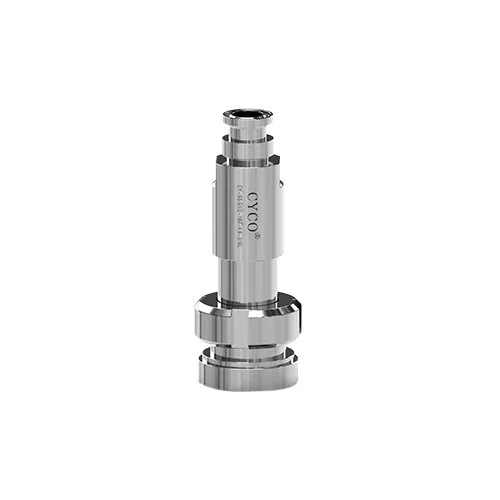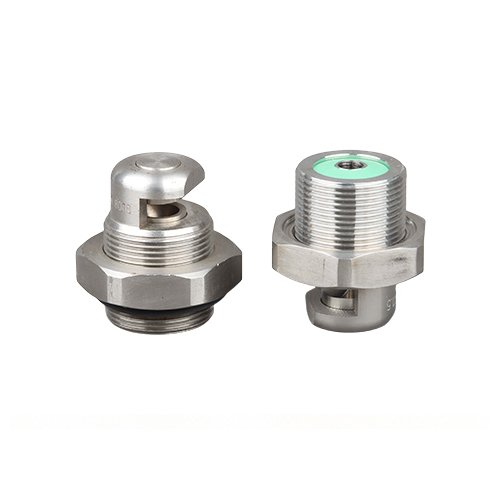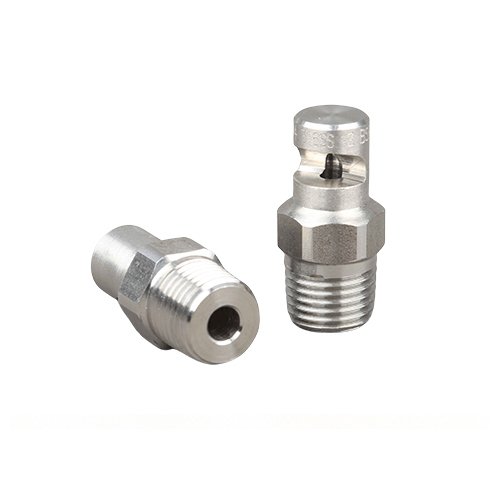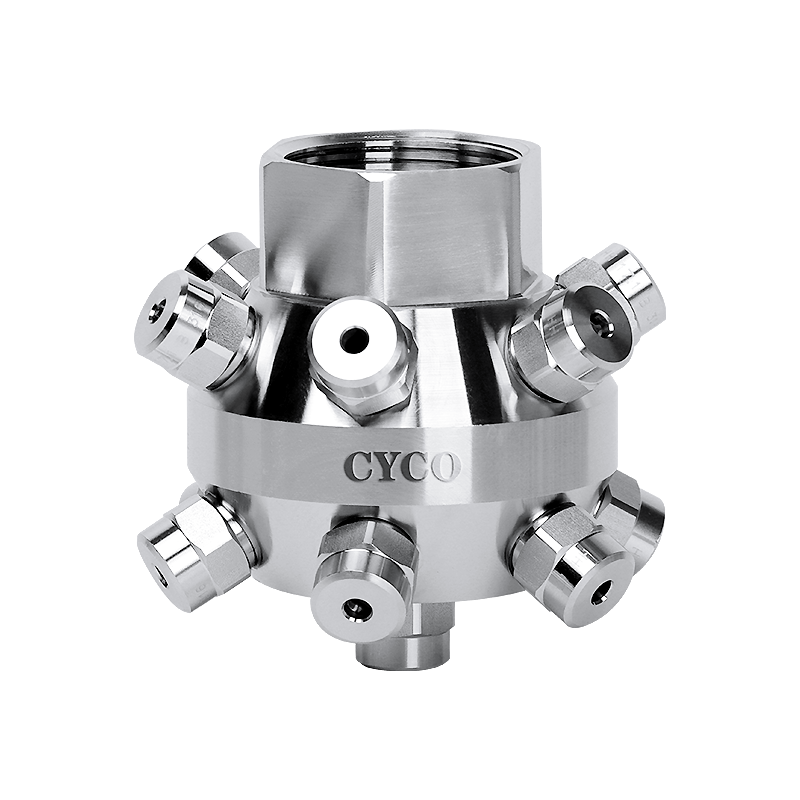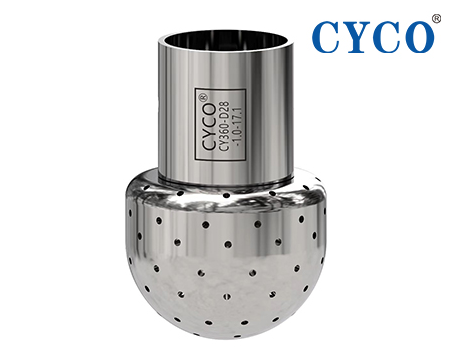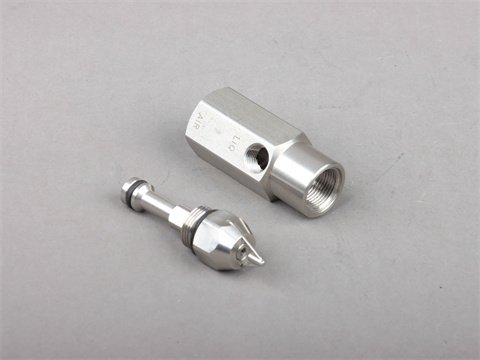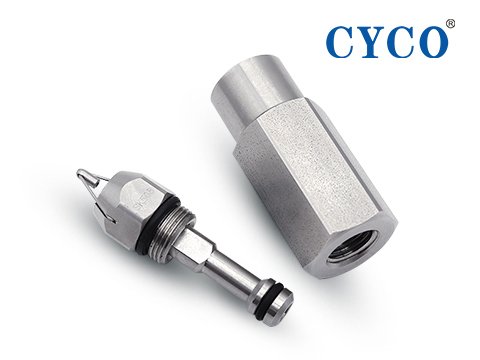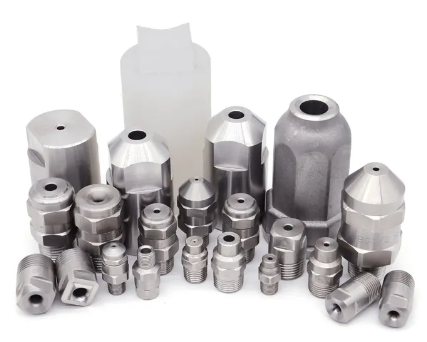
As a kind of industrial nozzle, full cone nozzle is widely used in various industrial production processes.
Facing many different types and specifications of full cone nozzles, how to correctly select the right nozzle for their production needs, has become a problem for many industrial producers.

This article will introduce the selection points of full cone nozzles in detail, which will help you choose the most suitable nozzles for your own production needs.
Selection Methods for Full Cone Nozzle
According to the Application Scenario
They are mainly classified into air atomizing nozzles, pressure atomizing nozzles and cyclone nozzles.
When you need to spray liquid paint or solid particles, you can choose air atomizing nozzle. When you need to spray liquid or gas, you can choose pressure atomizing nozzle. When a rotating water or air stream needs to be formed, you can choose a cyclone nozzle.
According to the Process Requirements
Full cone nozzles of different sizes have different flow rates, spray angles and spray shapes.
When a high flow rate is required, a nozzle with a higher flow rate should be selected. If you need a smaller spray angle, choose a nozzle with a smaller spray angle.

According to Production Conditions
The materials of nozzles usually include stainless steel, aluminum alloy, plastic and so on. When choosing nozzles, you need to consider the temperature, pressure, corrosion and other conditions in the production process.
To work in a high-temperature environment, a high-temperature-resistant stainless steel nozzle should be selected. In corrosive environments, corrosion-resistant plastic nozzles should be selected.
According to the Equipment Interface
Connection methods usually include threaded connection, clamp connection, flange connection and so on.
When you need to change the nozzle quickly, choose the threaded connection. When better sealing performance is needed, choose clamp connection or flange connection.
Conclusion
In short, the selection of full cone nozzles requires comprehensive consideration of the above factors.
Only by choosing the nozzle that suits the needs of one’s production, can it better meet the various requirements of the production process to improve production efficiency and product quality.