Reaction kettles are commonly used in chemistry labs to perform chemical reactions or syntheses. As reactants or residues can adhere to the walls of the kettle, which results in an unclean kettle, it is vital that the kettle is cleaned correctly in order to ensure that it is safe and effective for the next use.
There are several methods to clean the reaction kettle:
Mechanical cleaning
First, brushes or cotton swabs and other tools can be used for mechanical cleaning.
Stick the brush into the reaction kettle and scrub the kettle wall vigorously, which can effectively remove some of the adherents. But mechanical cleaning may not be able to clean some hard-to-reach areas.
Chemical cleaning
Another commonly used method.
Use solvent or cleaner to dissolve the residue on the kettle.
The solvent or cleaner is poured into the kettle and the kettle is gently shaken or rotated to reach all surfaces.
Depending on the nature of the residue in the kettle, choose a suitable cleaning agent, such as a strong alkaline solution, an acid solution or an organic solvent.
Pay attention to safety when using chemical cleaning and avoid solvent contact with skin or inhalation of gas.
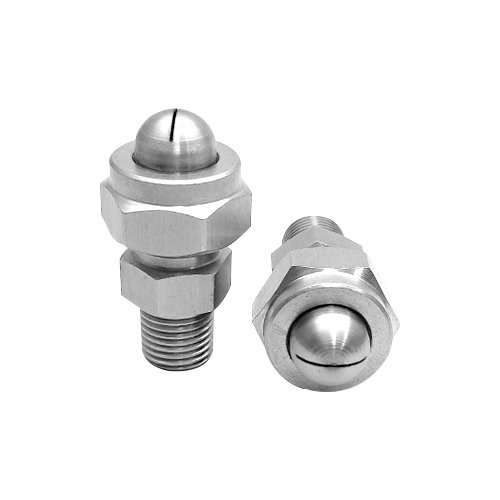
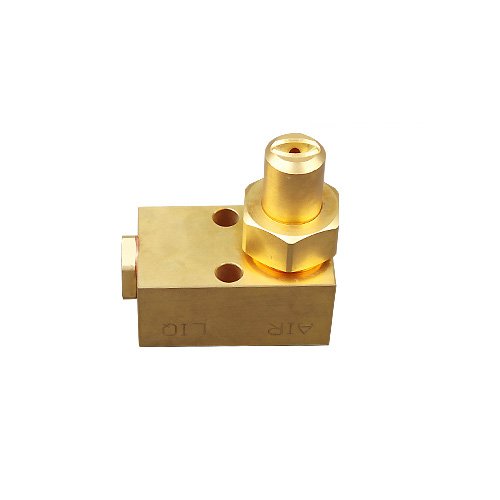
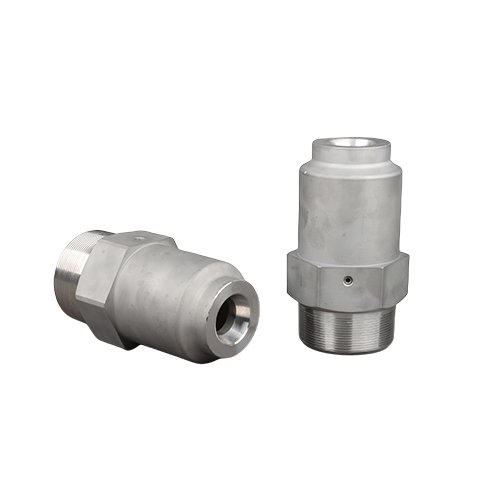
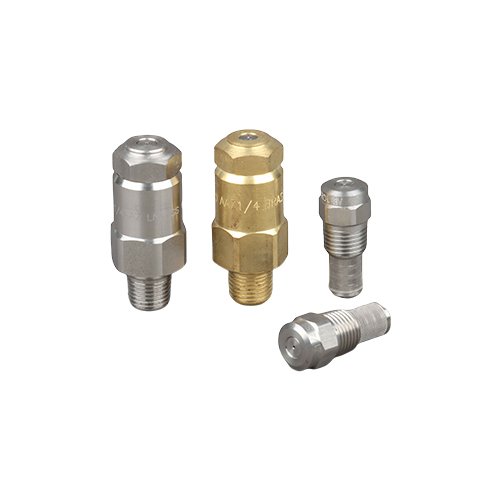
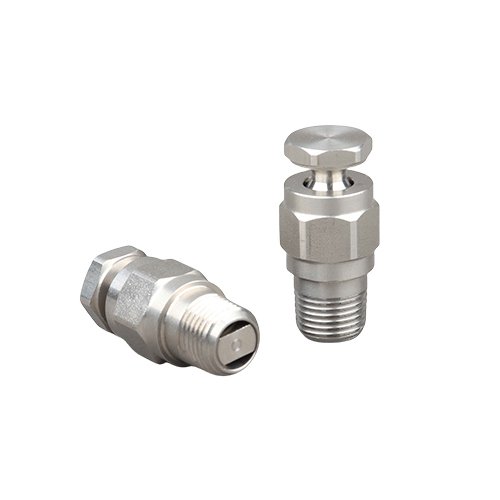
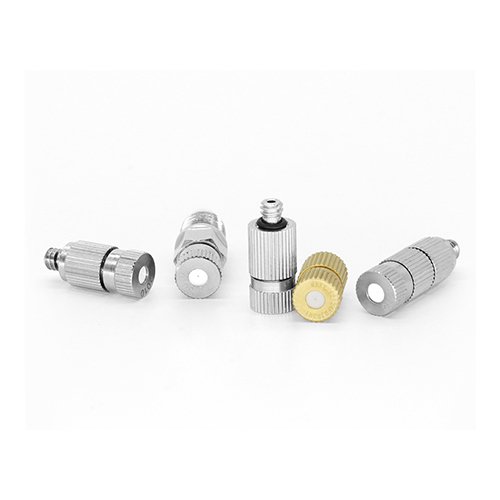
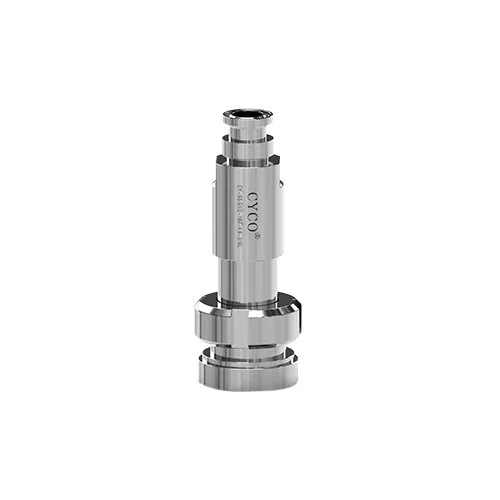
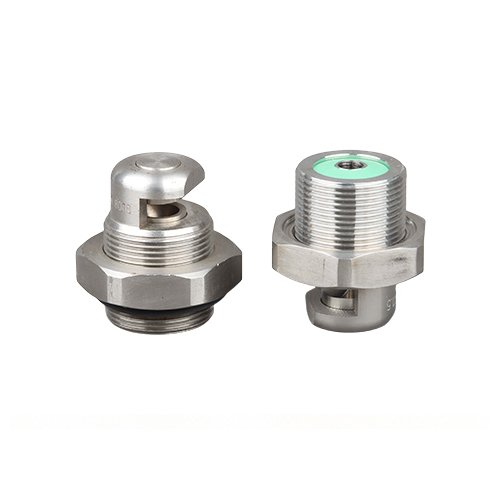
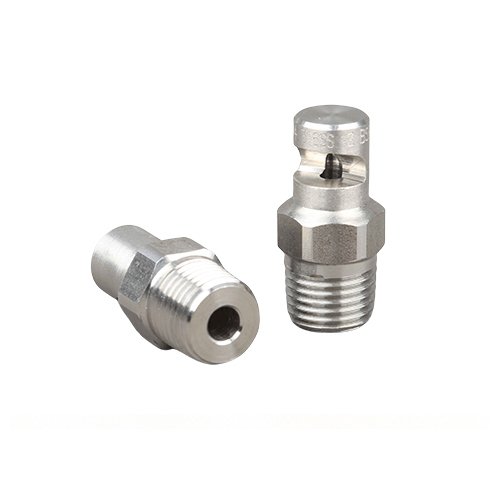
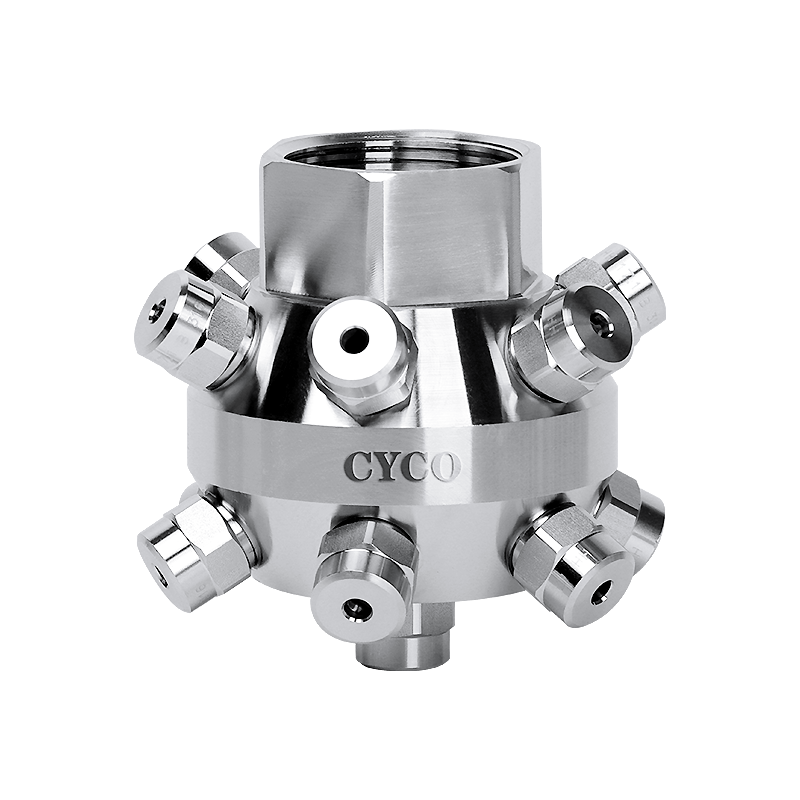
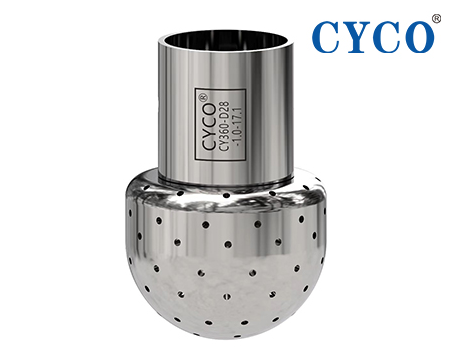
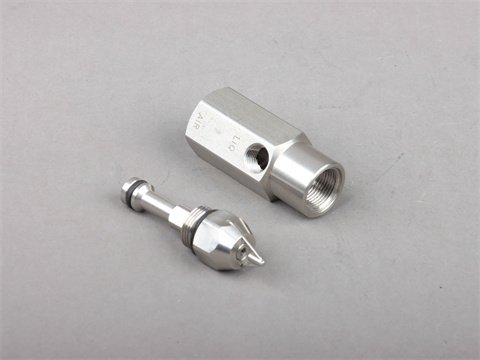
In addition to the above traditional cleaning methods, there is another cleaning technology that is widely used, which is the three-dimensional rotary cleaning nozzle.
This is an advanced cleaning equipment that can clean the reaction kettle more completely.
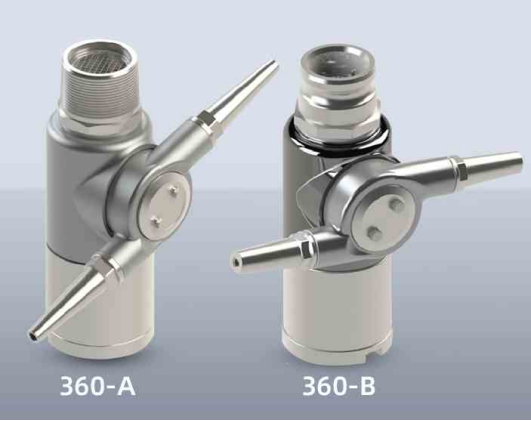
The 3D rotary cleaning nozzle has the following advantages:
Powerful impact
A strong impact force is generated by the constant rotation and jetting of water, which effectively removes residues adhering to the kettle walls.
Full coverage
Clean the entire surface of the kettle without any dead zone, which ensures that every part of the kettle can be cleaned.
Ease of use
Easily installed on the kettle and connected to a water source.
Just turn on the water switch and the nozzle will start working. The operation is simple and quick, no additional labor or equipment is required.
Proper cleaning of reaction kettles is important for laboratory safety and experimental results.
In addition to traditional mechanical and chemical cleaning methods, the 3D rotary cleaning nozzle is an efficient and convenient cleaning device that can clean the reaction kettle more completely and ensure the success of the next experiment.