With the increasing reliance on renewable energy sources, energy storage systems are growing rapidly as a key energy storage solution. However, along with its growth is the potential risk of fire.
To ensure the reliability and safety of energy storage systems, fire fighting systems for energy storage have emerged.
In this article, we will explore the importance of fire fighting systems for energy storage and their key role in protecting people and the environment.
The rise of energy storage systems
Fossil fuels have always been the main source of energy in the past decades. However, the issue of climate change and the development of renewable energy technologies have driven the widespread use of renewable energy sources.
Renewable energy sources such as solar and wind have the potential to generate electricity, but their production is not always stable, so energy storage systems are needed to store excess energy for emergencies.
Energy storage systems typically include battery packs, supercapacitors, and other technologies that can store excess energy for use during times of peak electricity demand.
The heat and electrochemical reactions generated by these systems during operation can lead to an increased risk of fire, so energy storage fire fighting systems are needed to monitor and respond to potential fire threats.
Functions of fire fighting systems for energy storage
Specially designed technologies and equipment for detecting, preventing and controlling fires in energy storage systems.
Their functions include:
Fire detection and monitoring
Various sensors are used to detect potential signs of fire, such as elevated temperatures, smoke and gas leaks. These sensors allow early detection of fire risks so that preventive measures can be taken.
Fire prevention
Involves maintaining and monitoring the operational status of energy storage systems to ensure that they are operating under normal working conditions. In addition, regular inspections and maintenance can reduce the risk of fire.
Fire control
In the event of a fire, a fire fighting system for energy storage can control the fire through automated systems or remote operation, such as cutting off the power supply, releasing extinguishing agents, or activating the fire alarm system to minimize the impact of the fire on people and equipment.
Communication and alarms
The ability to communicate with a monitoring center or fire department and trigger a fire alarm to notify people to take necessary action.
Composition of fire fighting systems for energy storage
Fire detectors
The first line of defense.
They can detect signs of fire, such as smoke, heat, flames, etc. Once a fire signal is detected, the detector will immediately sound an alarm to trigger a response from other systems. Common fire detectors include photoelectric sensors, heat sensors and gas detectors.
Alarm system
Core of the system.
Once a fire detector sounds an alarm, the alarm system quickly communicates it to the appropriate people, such as building managers, firefighters or security personnel. It usually includes audible and visual alarms to ensure that personnel can evacuate the fire site in time.
Automatic fire extinguishing system
Automatic fire extinguishing systems play a key role once a fire has been recognized. These systems release extinguishing agents such as foam, dry powder, carbon dioxide, etc. to put out the fire as needed. This prevents the fire from spreading and reduces damage.
Ventilation system
Play an important role.
They can help remove smoke and harmful gases to ensure that people can evacuate safely. They can also reduce the temperature of the fire area, which helps firefighters access and extinguish the fire more easily.
Electrical system isolation
To prevent fire from spreading to the electrical parts of the energy storage system.
This includes circuit breakers, disconnect switches and cutting off the power supply, which reduces the risk of fire.
Fire fighting equipment
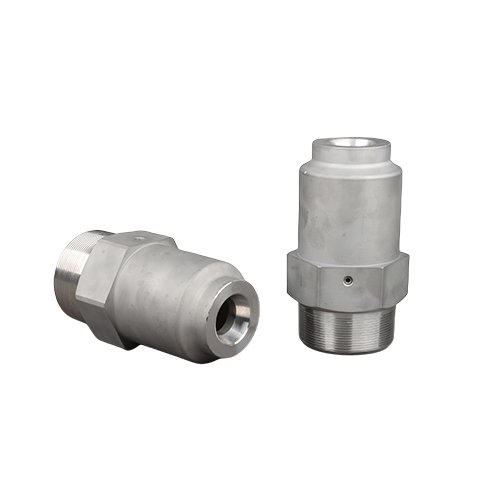
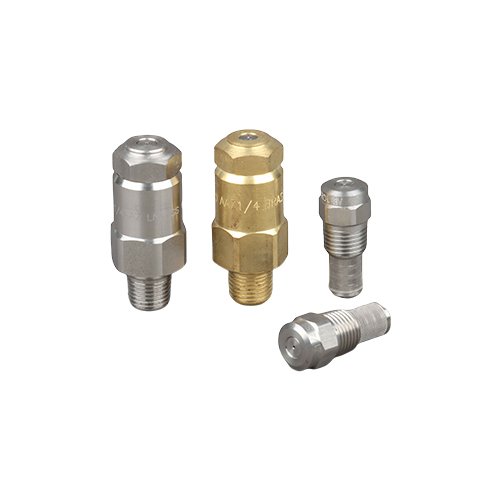
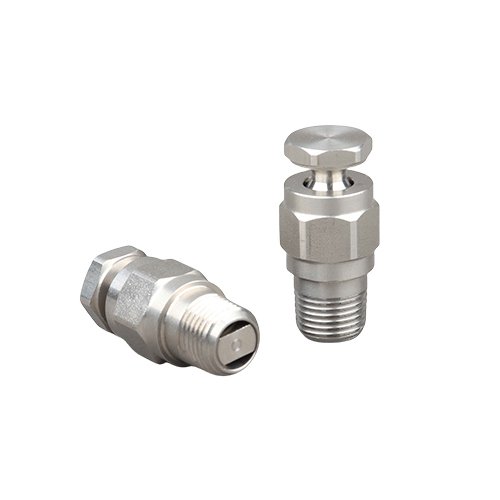
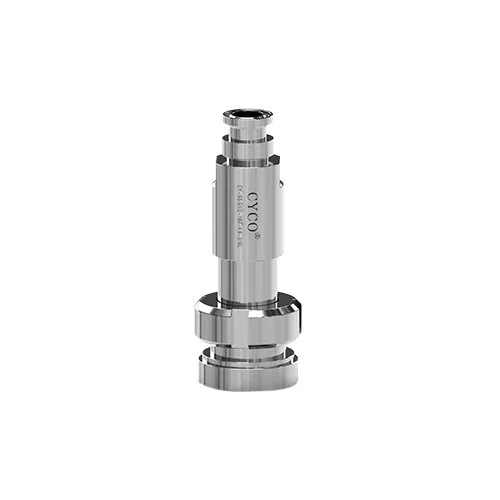
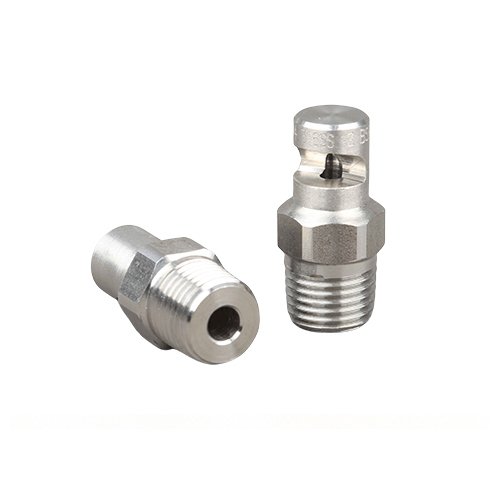
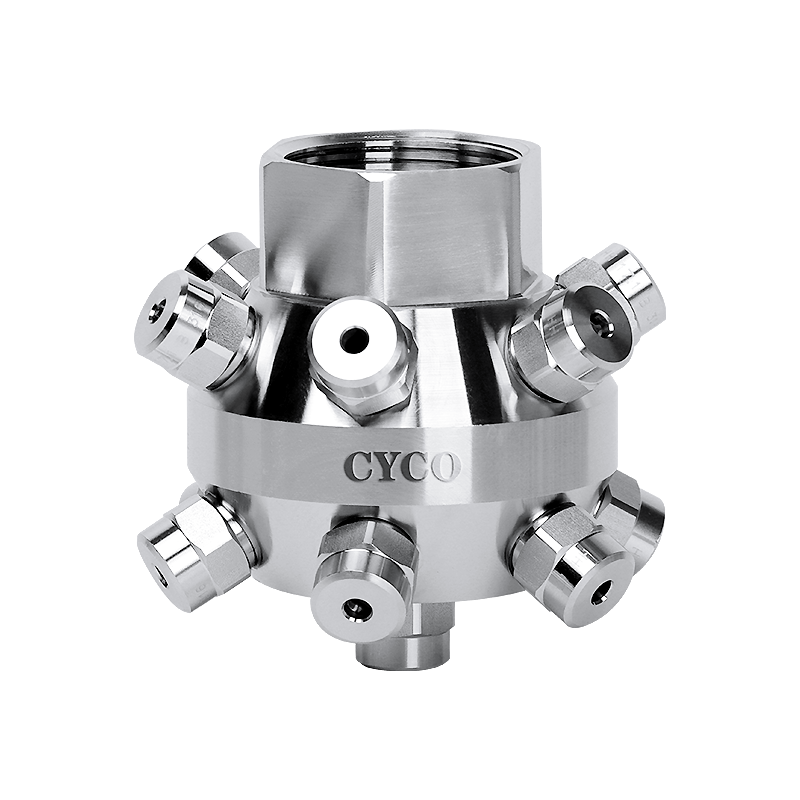
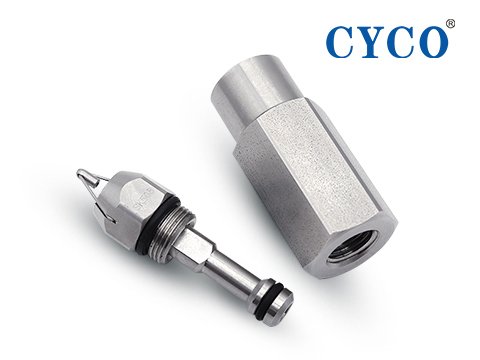
This includes fire extinguishers, hydrants and spray systems,such as high pressure water mist firefighting nozzles. These equipment can be used to extinguish small fires or to provide an emergency means of extinguishing a fire before it spreads.
Monitoring and reporting systems
Intelligent components that monitor fires in real time and generate reports. These systems can provide critical information to managers so that they can take appropriate measures to deal with fire risks.
Backup power system
As energy storage systems are usually closely linked to the power system, backup power systems are indispensable. They ensure that a fire fighting system for energy storage remains operational during power interruptions or fires.
Benefits of a fire fighting system for energy storage
Critical to the renewable energy industry.
This system not only ensures the safety of the energy storage system in operation, but also prevents fires from irreversibly affecting the environment.
In addition, the presence of fire fighting systems for energy storage can also increase investor and government confidence in renewable energy projects, as they ensure the safety compliance of these projects.
Conclusion
To summarize, with the rise of renewable energy sources, fire fighting systems for energy storage have become indispensable.
They not only make renewable energy more reliable, but also ensure the safety of people and the environment.
In the future, we can expect fire fighting systems for energy storage will continue developing to meet the growing demand for renewable energy and secure our energy.