Battery energy storage systems are a technology that has gained much attention in the energy industry in recent years. They are widely used in power systems to balance power supply and demand, improve grid stability, and reduce the cost of electricity. At the same time, they help promote the popularization of renewable energy.
However, as with any new technology, BESS faces some safety challenges, one of which is the relationship with fire protection systems.
In this paper, we will explore how battery energy storage systems work, their application areas, how they relate to fire nozzles, and how to find a balance between safety and sustainability.

Basic principles of battery energy storage systems
A technology that stores electrical energy for subsequent use.
Consists of multiple battery cells that can be charged and discharged. The most common types of batteries include lithium-ion batteries, lead-acid batteries, and sodium-sulfur batteries.
The basic principles of battery energy storage systems are as follows:
Recharging
When there is an excess of power supplied by the electrical system (e.g., when solar or wind energy produces more power than is needed), the battery storage system uses the power to recharge. This helps maximize the use of renewable energy and prevents waste.
Storage
Once batteries are fully charged, they can store that power for a rainy day. This means that during times of peak demand or problems with the power system, batteries can release the stored power to stabilize the grid and meet demand.

Discharge
Battery storage systems can quickly release power to balance the power system or provide emergency backup power. This is important to prevent power interruptions or to improve the stability of the grid.
Application areas for battery energy storage systems
Battery energy storage systems have a wide range of applications in various fields, some of which include:
Renewable energy integration
Battery energy storage systems can assist in the integration of renewable energy sources by addressing their instability and intermittent supply. For example, an energy storage system can provide back-up power when solar or wind power cannot meet demand.
Electricity load balancing
Battery storage systems can balance loads in areas with fluctuating power demand, preventing power interruptions or reducing power costs.
Emergency backup power
Battery storage systems can quickly provide backup power in emergency situations, such as natural disasters, power outages or power system failures.
Frequency regulation
Battery storage systems can help regulate the frequency of the power grid to ensure that it always operates within standard limits.
Energy storage electricity markets
Some regions allow battery energy storage systems to participate in electricity markets, earning a profit from charging and discharging and promoting the growth of renewable energy.
The relationship between battery energy storage systems and fire nozzles
While battery energy storage systems have a wide range of applications in the energy sector, they also present a number of potential safety risks.
The battery cells in a battery storage system may generate heat when charging, discharging or storing electrical energy, and may even cause fires in extreme cases. Appropriate safety measures must be taken to prevent fires and ensure that fire protection systems can respond effectively.
Heat management
Battery energy storage systems need to be closely monitored and controlled. High temperatures may cause the battery to overheat, which increases the risk of fire. Therefore, the system must be equipped with temperature sensors and cooling systems to ensure that the batteries operate within a safe temperature range.
Firewalls and isolation
Battery storage systems should be isolated from other building structures to prevent the spread of fire. Firewalls and isolation areas should be considered in the design to isolate potential sources of ignition.
Fire protection system integration
Battery energy storage systems must be integrated with fire protection systems to ensure that quick action can be taken in the event of a fire outbreak. This includes connections to automatic fire suppression systems, fire alarm systems and water injection systems.
Firefighting training
Operators and maintenance staff of battery energy storage systems need to be trained in firefighting to understand how to respond to fires and take appropriate safety measures.
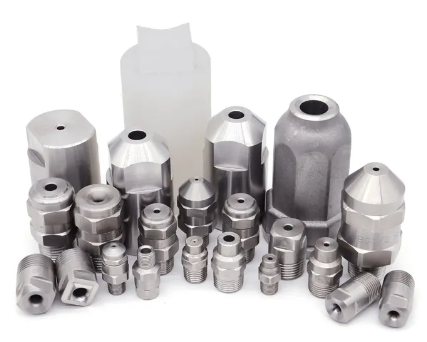
Applications of fire nozzles for battery energy storage
The use of battery energy storage technology in conjunction with fire nozzles can improve the efficiency and reliability of fire protection systems, ensuring that fires can be quickly extinguished and contained in emergency situations.
Below are some examples of how battery energy storage technology can be used in conjunction with different types of fire nozzles:
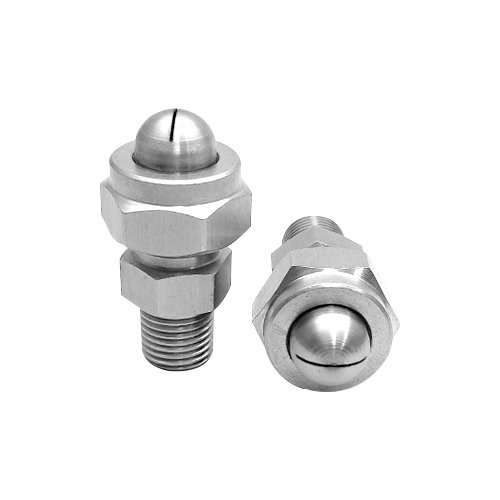
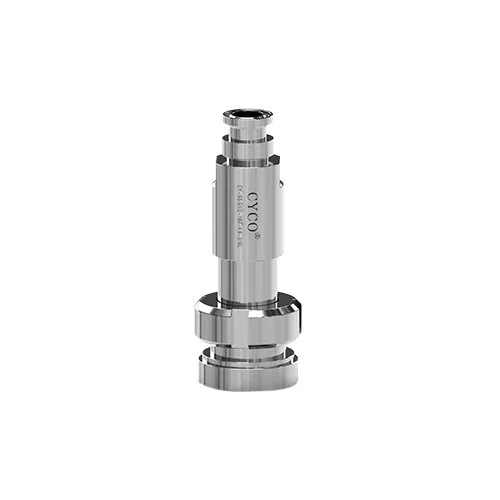
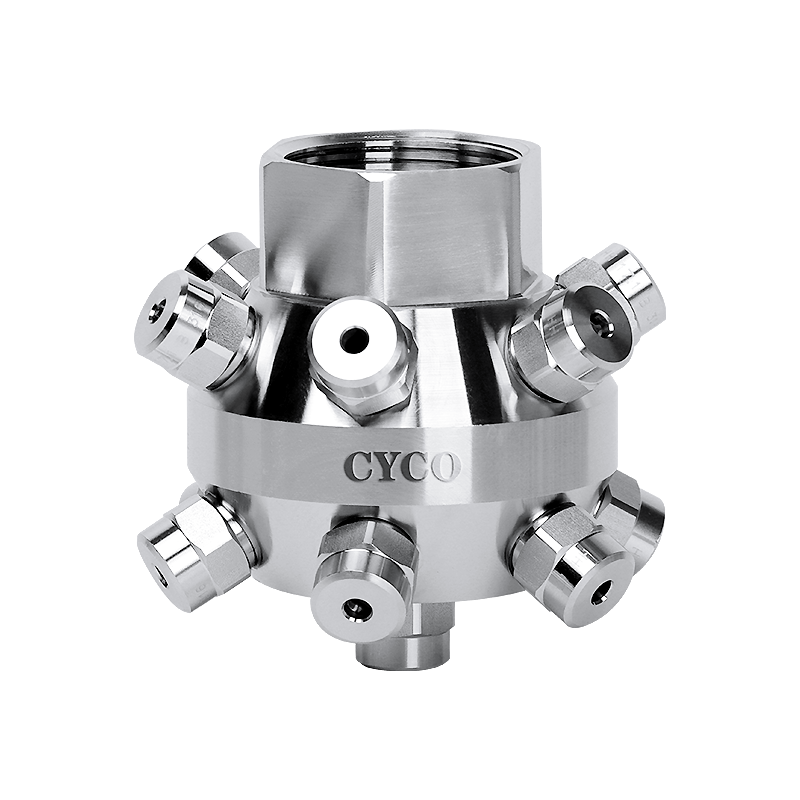
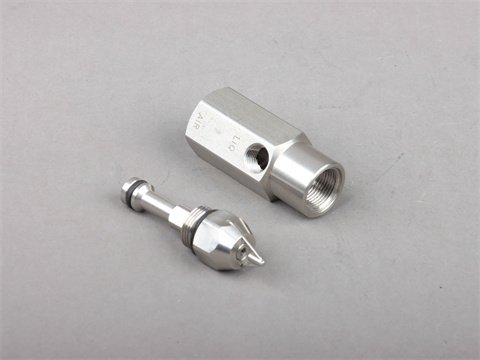
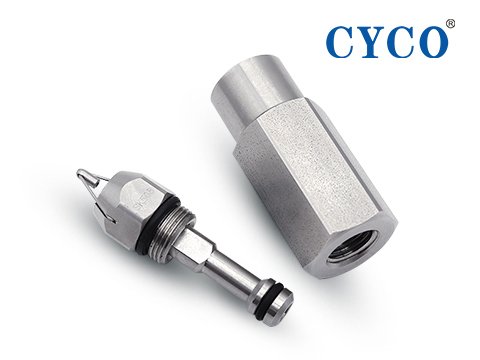
Automatic spray nozzles
Battery storage systems provide backup power for automatic nozzles. When a fire is detected, the battery storage system can provide power to ensure that the nozzles can be activated quickly and spray water on the fire source to control the fire.
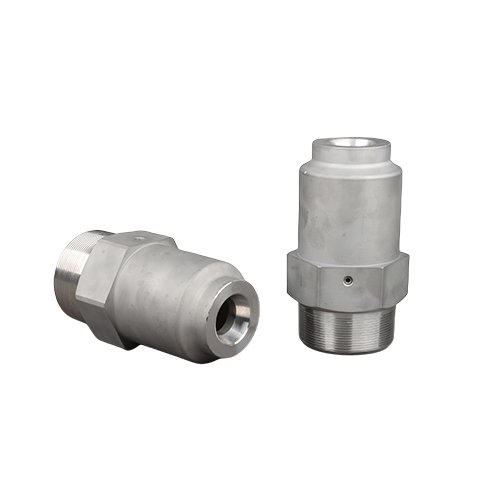
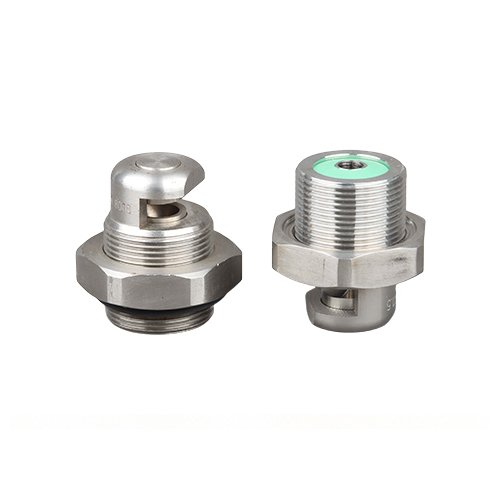
High pressure water nozzles
High-pressure water spray nozzles typically require a large amount of power to maintain a high-pressure stream of water. Battery storage systems can provide these nozzles with the power needed to ensure that when needed to provide high-pressure water to extinguish the fire.
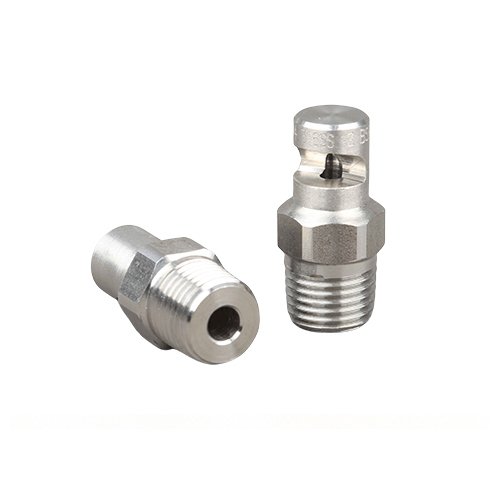
Foam nozzles
Battery energy storage systems can be used to mix and deliver a foam agent to support the operation of the foam nozzles. This helps to extinguish oil fires and flammable liquid fires.
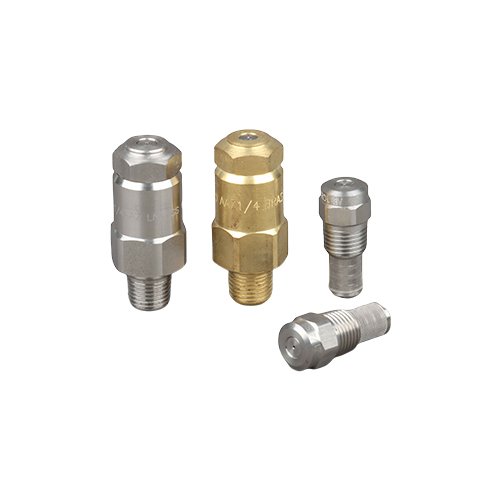
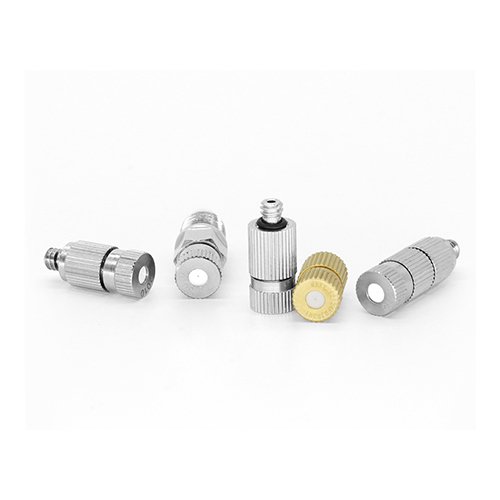
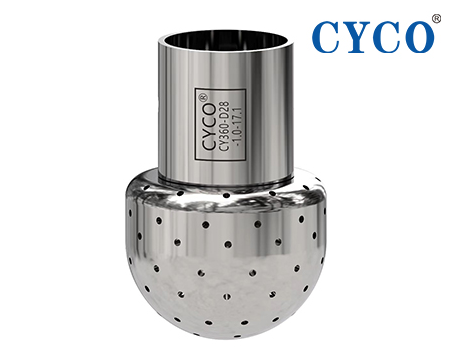
Spray nozzles
Spray nozzles typically require tiny droplets of water to effectively extinguish fires. Battery storage systems can be used to maintain the operation of the spray nozzles and ensure that fine droplets of water can be sprayed.
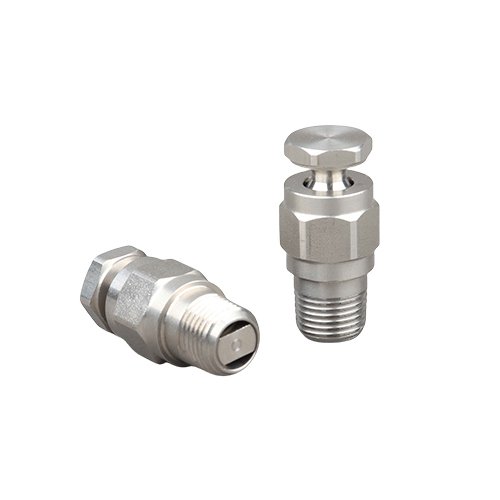
Dry powder spray nozzles
Dry powder spray nozzles do not require electrical support, but battery storage systems can be used for back-up power to ensure that they can still be used in the event of a power failure.
Conclusion
Battery energy storage systems play an important role in promoting sustainable development, but the safety issues associated with them cannot be ignored.
Ensuring the effective integration of battery storage systems with fire protection systems and taking appropriate safety measures are key to achieving safety and sustainable development. Only by striking a balance between these two aspects can battery energy storage systems continue to provide reliable support to the power system while minimizing negative impacts on the environment and contributing to a clean energy future.