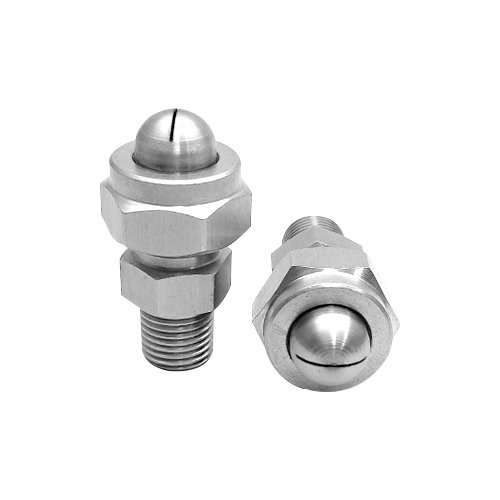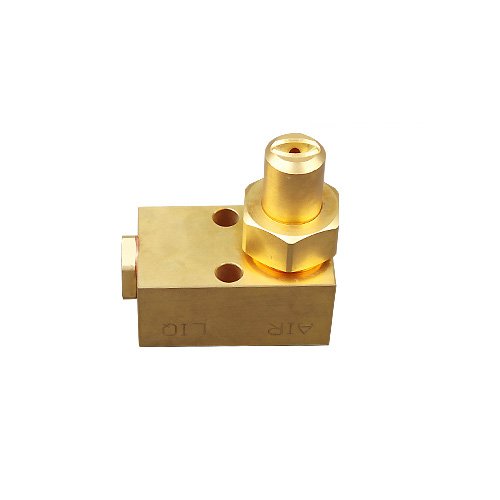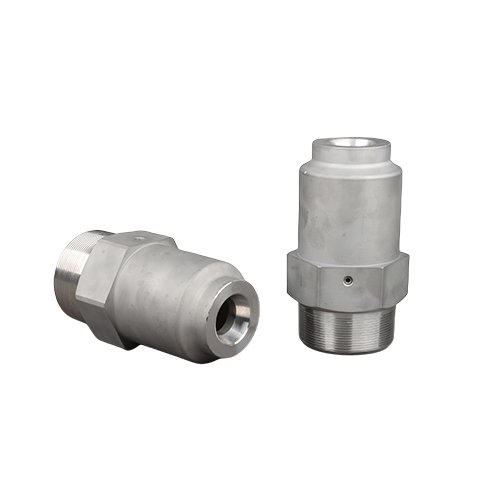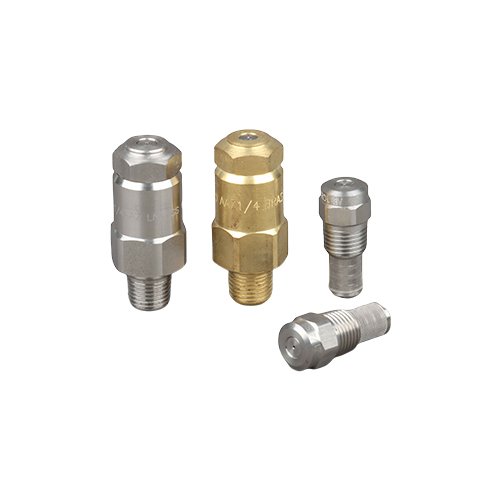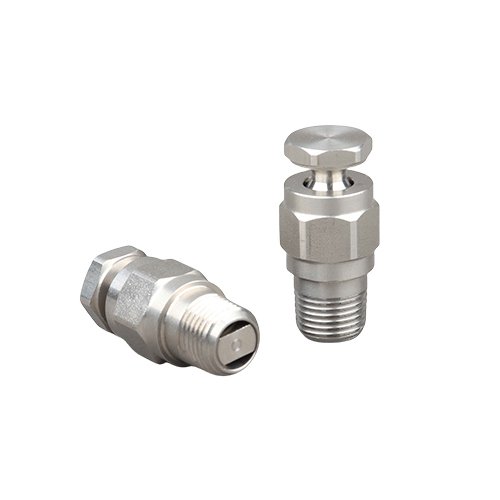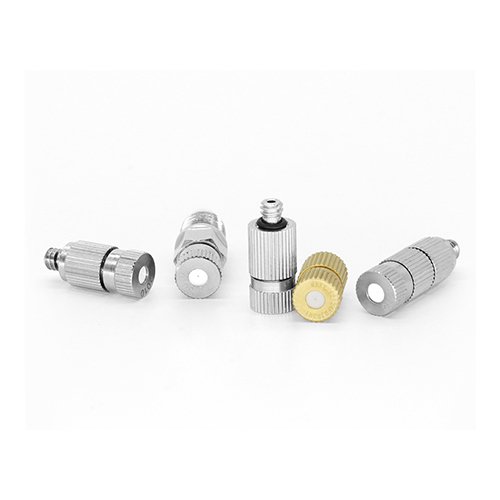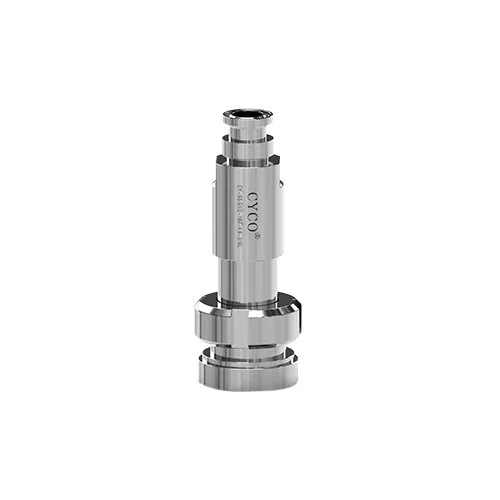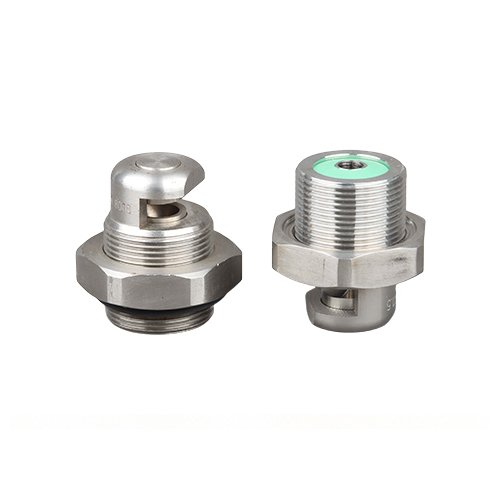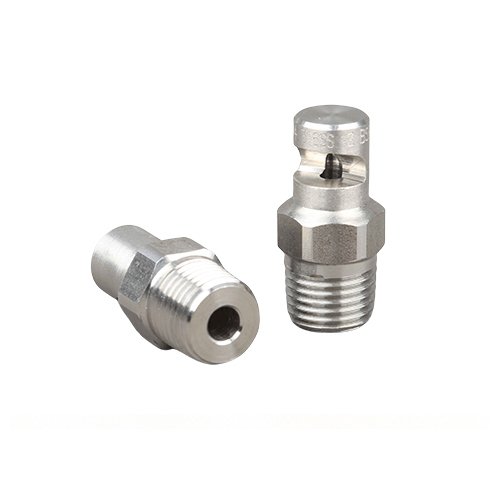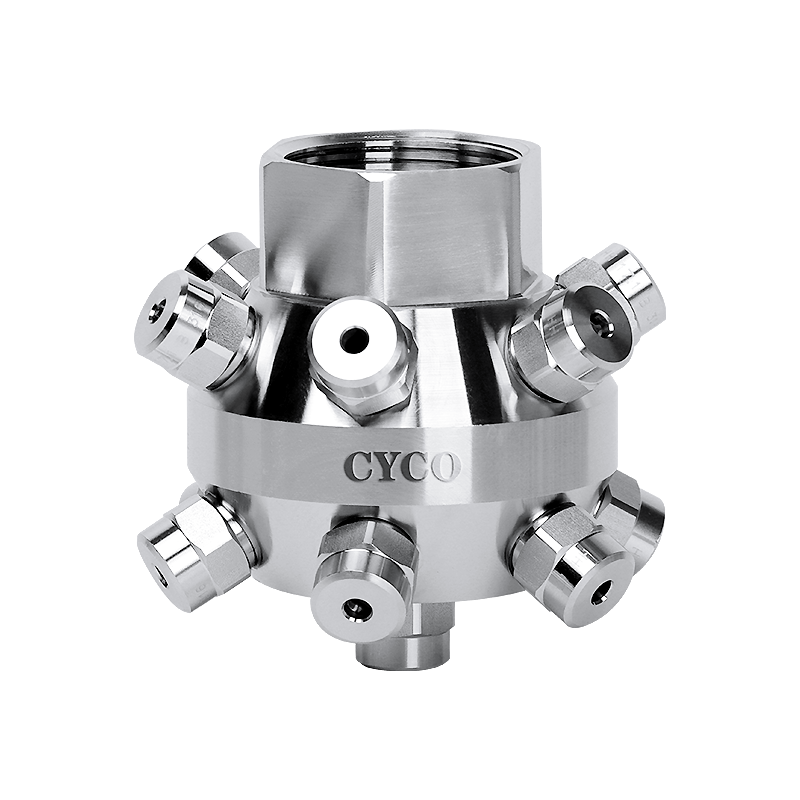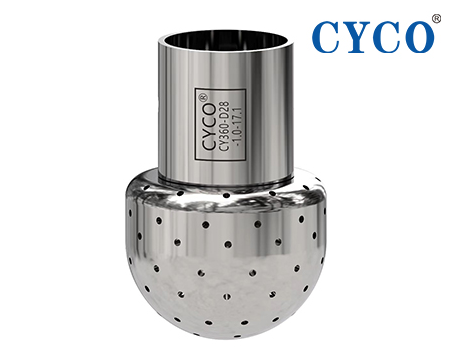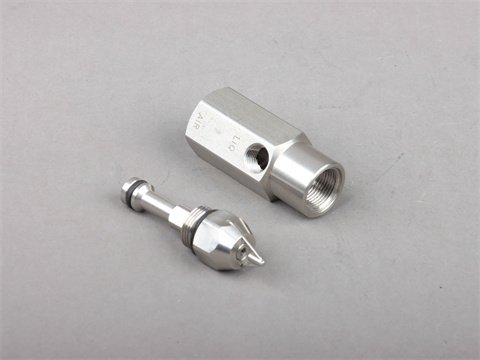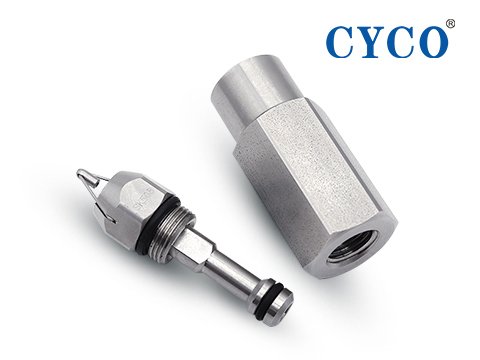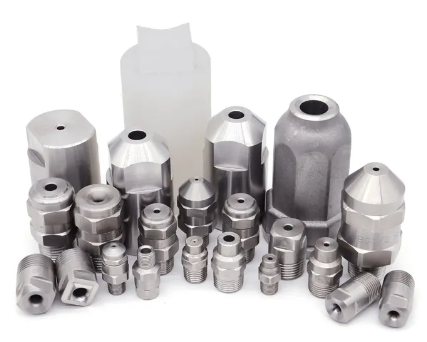
Lithium battery fire nozzles are more and more widely used in modern society, and the development of this technology provides important support for fire prevention and control.
Lithium battery fire nozzles are now widely used in electric vehicles and new energy vehicle charging piles, industrial battery energy storage, solar cells, commercial residential and other fields.
In this article, we will discuss the application scenarios of lithium battery nozzles and their importance in different fields.
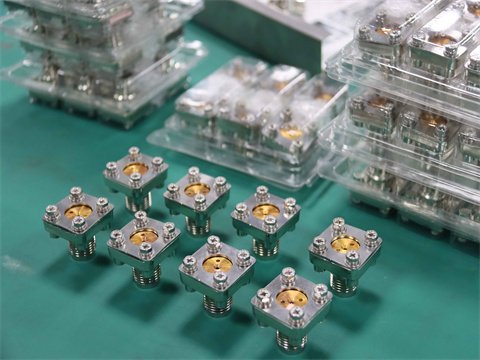
Applications for lithium battery fire nozzles
Electric vehicle charging station
With the popularity of electric vehicles, the number of charging stations has increased dramatically. Lithium batteries are the main source of energy for electric vehicles, but they present a certain fire risk during the charging process.
To protect against this risk, many charging stations have installed lithium battery fire nozzle systems. These systems are capable of automatically releasing extinguishing agents when a fire or battery overheating is detected, which effectively controls the spread of the fire.
Industrial equipment and battery storage
Large lithium battery systems used in industry also require fire protection. These systems are often stored in specialized battery storage garages, as they can start a fire in the event of failure or improper use.
Lithium battery fire nozzles reduce potential damage by providing a quick response in the event of a fire and limiting its spread.
Solar cell field
Solar cell fields use a large number of lithium batteries to store and distribute electrical energy.
These sites are often located in open areas and are susceptible to natural and man-made factors such as lightning strikes, circuit failures or vandalism. Lithium battery fire nozzle systems can protect the battery system from fires in these situations.
Residential and commercial buildings
Lithium batteries are also widely used in residential and commercial buildings for energy storage systems or emergency power.
In these scenarios, fires can cause significant damage to buildings, people and property. Installing a lithium battery fire nozzle system can provide the extra security needed to contain a fire in time to ensure the safety of residents and employees.
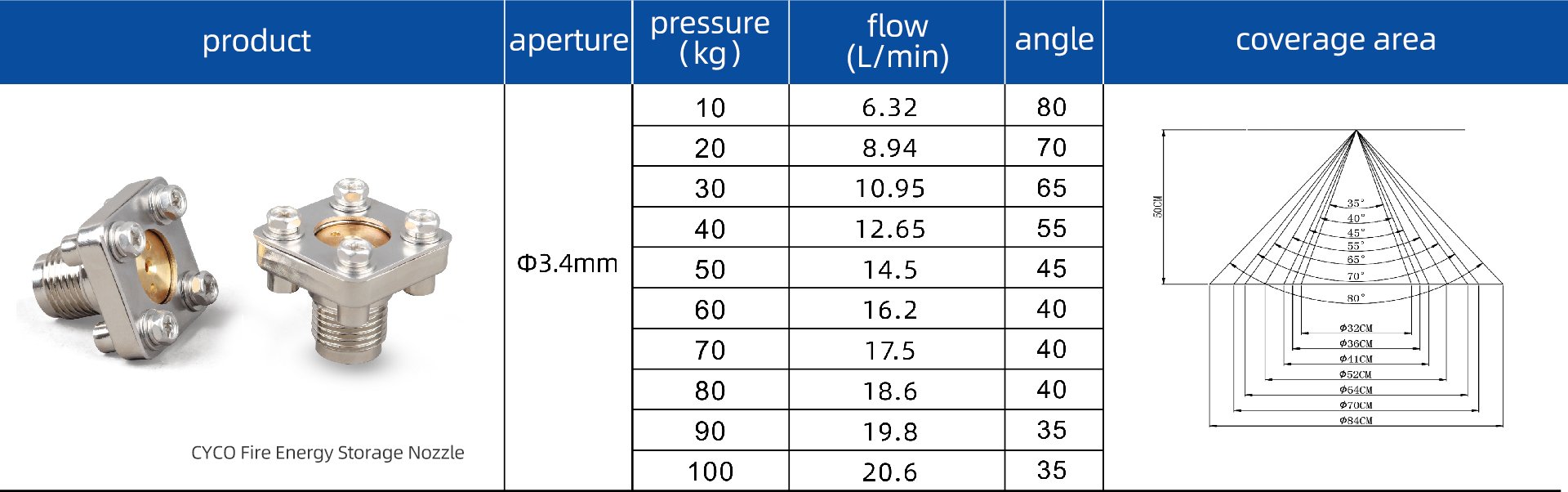
Classifications of lithium battery fire nozzles
Lithium battery fire nozzles can be categorized according to their operating principle and design features.
Below are a few of the main types of fire nozzles:
High-temperature nozzles
Detects fire sources based on temperature changes.
Once the surrounding temperature rises to a certain level, the nozzle will automatically activate and release the extinguishing agent to put out the fire. High temperature nozzles are suitable for fire detection and extinguishing in lithium battery systems.
Fire detection nozzles
Combines fire detection technology, such as photoelectric or ionization detectors, to monitor airborne smoke or flames. Once a fire source is detected, the nozzle is automatically activated to spray an extinguishing agent.
Inert gas extinguishing nozzles
Inert gases, such as nitrogen or carbon dioxide, are used to reduce the oxygen concentration near the fire source and extinguish the flame. These nozzles are used where lithium battery systems need to be protected but water is not desired.
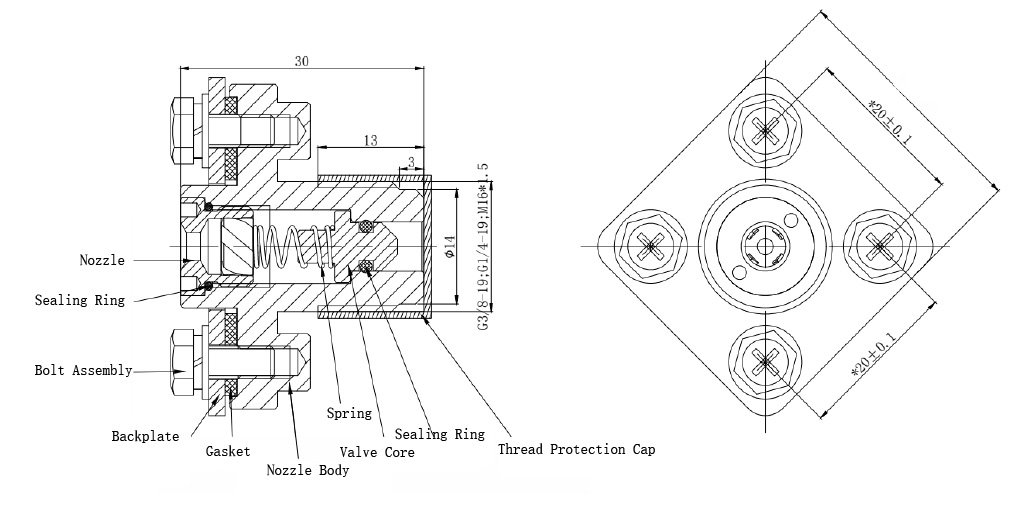
Installation of lithium battery fire nozzles
Choosing the right type of fire sprinkler
It is important to choose the right type of fire nozzles for the specific needs of lithium battery storage systems.
Usually dry powder fire extinguishing systems are a good choice because they can effectively extinguish lithium battery fires. In addition, fire nozzles with high-pressure spraying capabilities should be selected to ensure that the fire is quickly controlled.
Determine the installation location
Installation locations for lithium battery fire nozzles should be carefully researched and planned.
They should be installed close to the battery pack to cover potential fire areas. Also, it is important to ensure that the nozzles cover every part of the battery pack to ensure that the fire can be extinguished quickly.
Consider the installation height of the nozzle
A key factor to be considered.
Generally, fire nozzles should be installed at the top of the battery pack so that the entire area can be covered quickly. The height and arrangement of the battery pack should also be considered to determine the optimal height of installation.
Ways of installation
Usually installed in a suitable location by brackets or hangers.
These brackets or hangers should be able to support the fire nozzles firmly to prevent them from being damaged or displaced in the event of a fire. In addition, fire nozzles should be installed in accordance with local fire regulations and standards.
System connections
Connections to the fire suppression system to ensure rapid activation in the event of a fire.
This usually includes connections to fire detectors, extinguishing devices and alarm systems. It is critical to ensure that these connections are working properly.
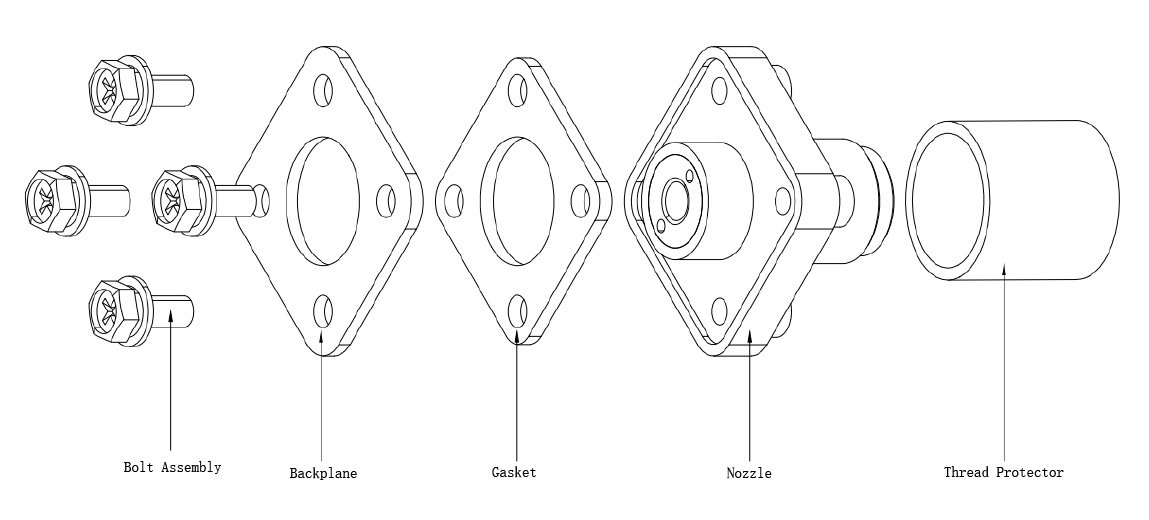
Maintenance and inspection regularly
Once installed, lithium battery fire nozzles require regular maintenance and inspection.
This includes cleaning, testing, and ensuring that all connections are functioning properly. If any problems are found, they should be repaired and replaced immediately.
Conclusion
To summarize, the application scenarios of lithium battery fire nozzles are becoming more and more diversified, and they play a key role in various fields to protect the lives and properties of people.
As technology continues to advance, we can expect these systems to continue to play a greater role in the future, providing more support for the safety of our society.
When designing and constructing projects related to lithium batteries, it will be crucial to consider and rationalize the application of lithium battery fire nozzle systems.