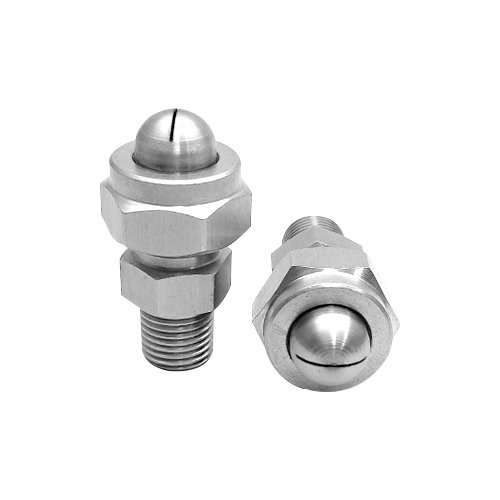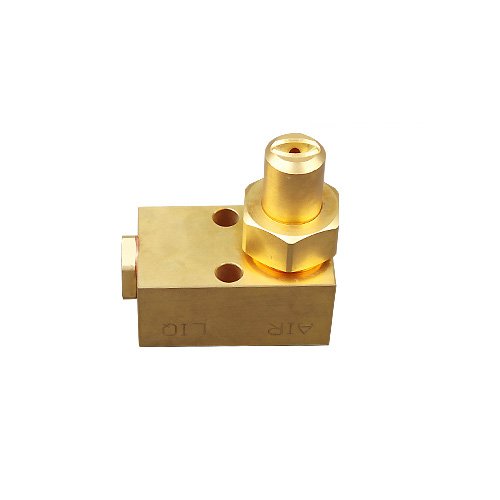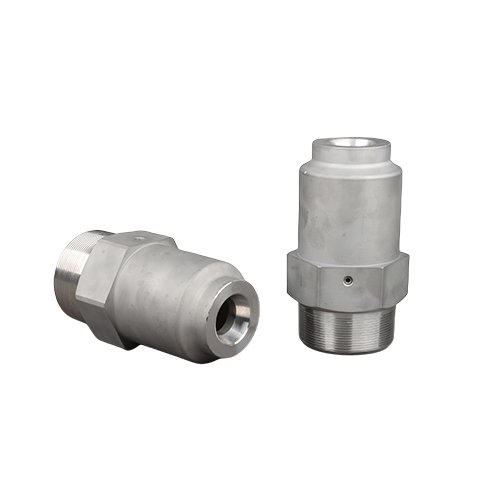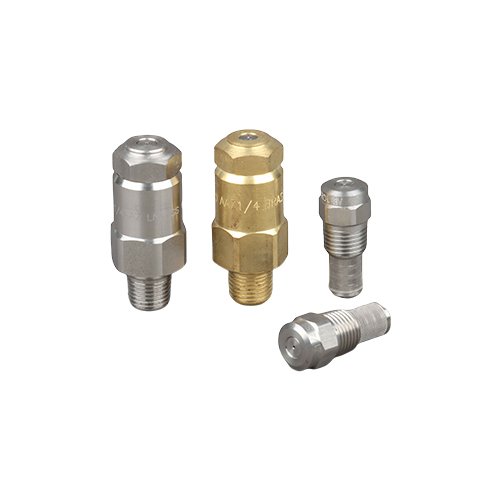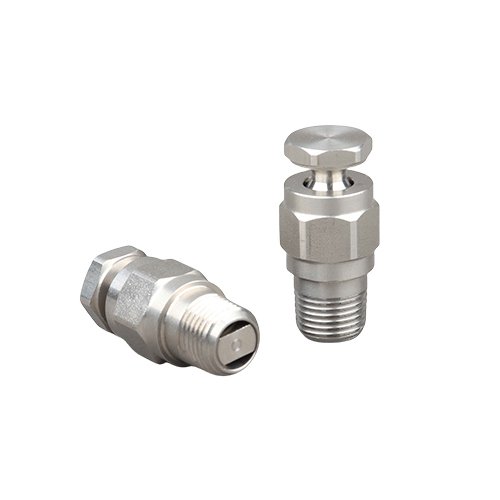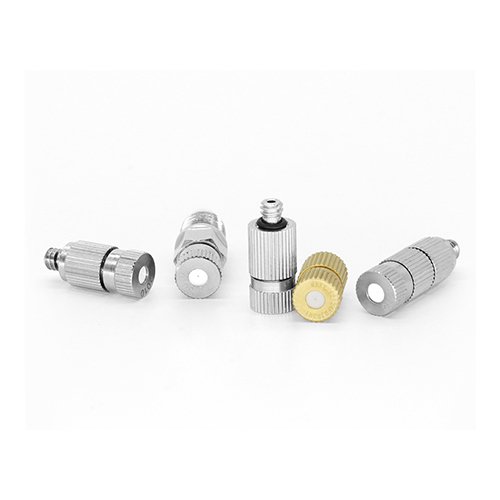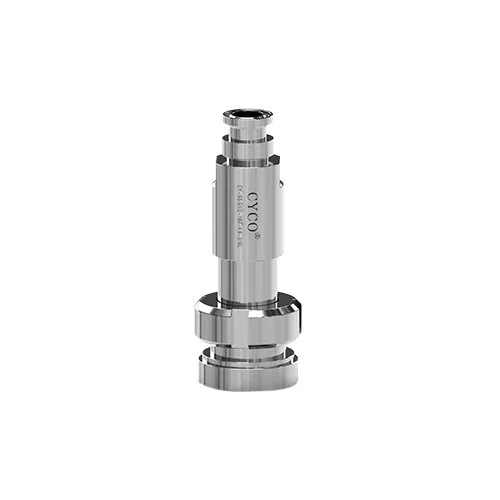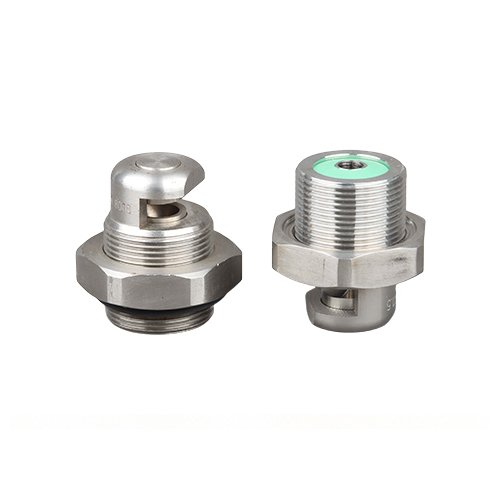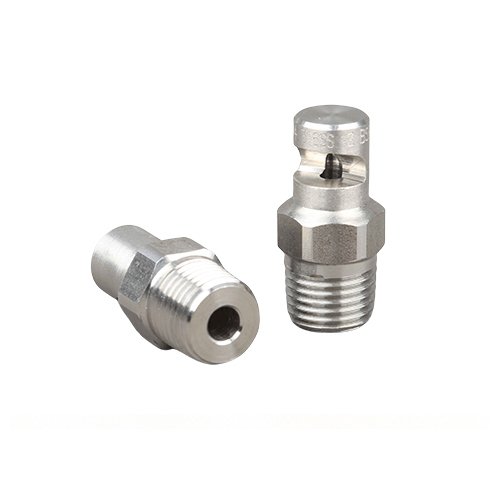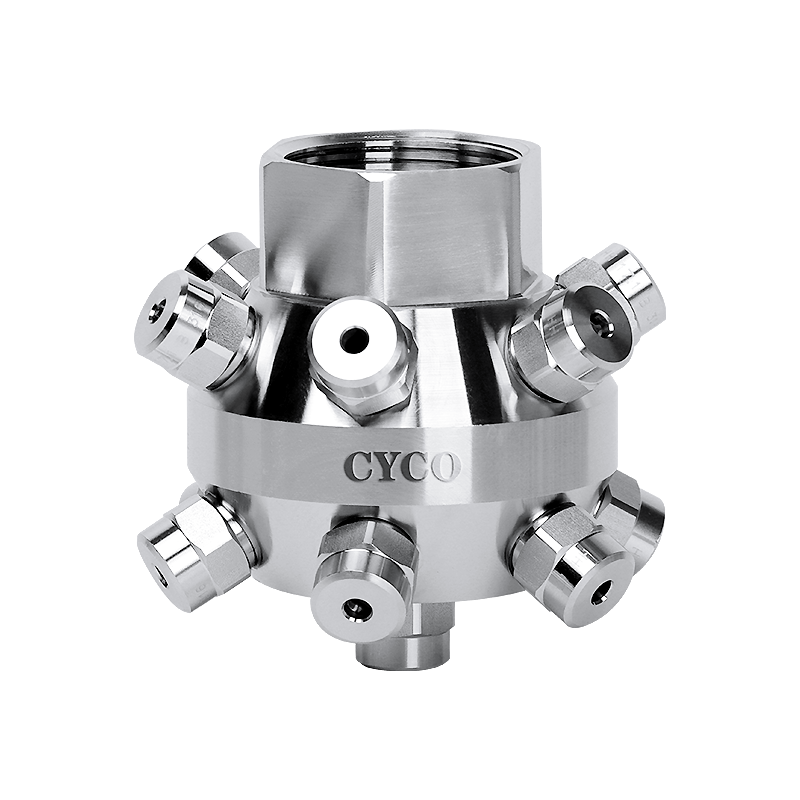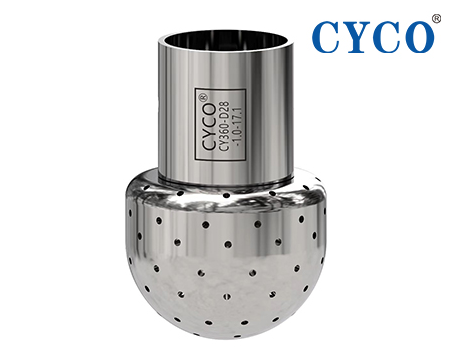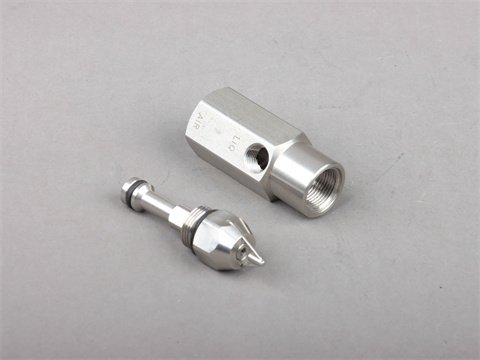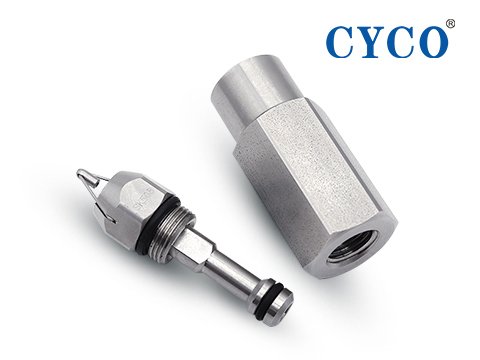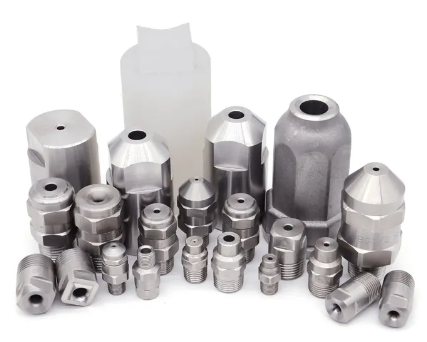
Since nozzles are designed for different operating environments, it is important to select the right nozzle to maximize spray performance in use. The characteristics of the nozzle are mainly reflected in the type of spray, that is, the shape of the liquid when it leaves the nozzle orifice, as well as its operational performance.
Naming of the nozzle there are two ways, one is to distinguish by spray shape, such as fan, cone, air atomizing nozzle, etc.. While the naming of venturi nozzle, strong cold (hot) air outlet blowing nozzle as well as specialized nozzles are distinguished by the operational performance of the nozzle.
The factors for selecting nozzles are flow rate, pressure, spray angle, coverage, impact, temperature, material, application, etc., and these factors are often interrelated and constrained.
Flow and pressure, spray angle and coverage are directly proportional. The purpose of nozzle spraying is to maintain continuous contact between the tank liquid and the workpiece, and the flow rate is more important than the pressure.
The temperature of the liquid does not affect the spray performance of the nozzle, but it does affect the viscosity and specific gravity, as well as the choice of material.

Materials for the nozzle
The material of the nozzle should also be determined according to the chemical properties of the tank fluid:
1. For non-corrosive tank fluid: according to the difficulty of processing, choose to use bronze casting or plastic die-casting.
2. To prevent corrosion, non-metallic materials can be used.
3. For sulfuric acid, hydrochloric acid and other strong corrosive tank fluid, nylon plastic can be used.
4. Nozzle materials for phosphating tank fluid are generally acid-resistant stainless steel.
5. To prevent corrosion of the nozzle can choose stainless steel or nylon material production directly.
Selection method of the nozzle
1. Small angle nozzles should be used for those with certain impact, and jetting is the best.
2. Fan nozzles are suitable for cleaning, degreasing, and cooling, and cone nozzles are suitable for rinsing, humidification, and dust removal.
3. Venturi mixing nozzles should be installed in the paint storage cylinder and tank. Venturi nozzle, for example, the tank liquid with a certain pressure and the liquid sucked in at the mouth of the approach is mixed with the ratio of 1:4 and then sprayed out to achieve the effect of mixing and stirring of solutes without air, thus preventing the precipitation.
4. Nozzles for degreasing and washing processes can be selected from the jet nozzles with strong impact. Fan nozzle, for example, the spray angle of 60 ° is the best, with a greater impact force;
5. Nozzle for phosphating process can choose a good atomization, fine and uniform water particles, the impact of a weaker centrifugal nozzle. Cone nozzle, for example, the best distance from the workpiece is 40cm ~ 50cm, with the liquid atomization of the spray effect.