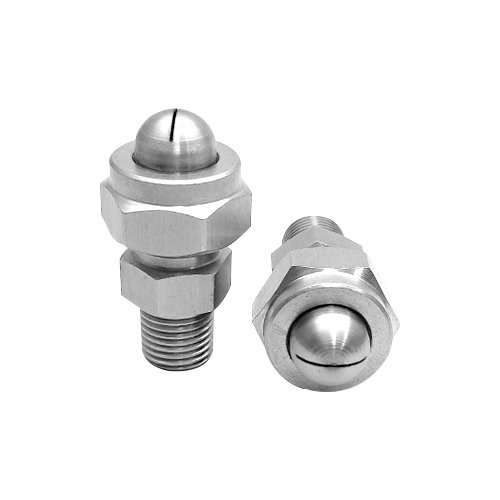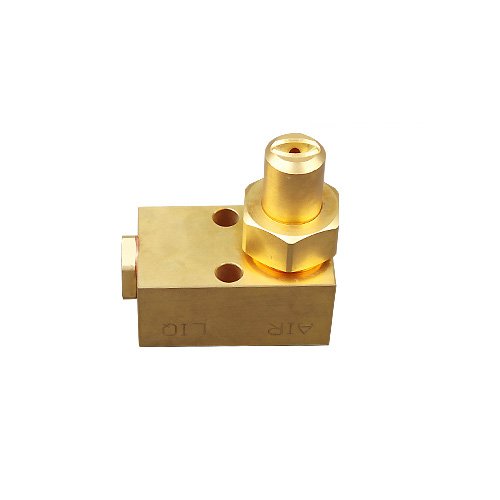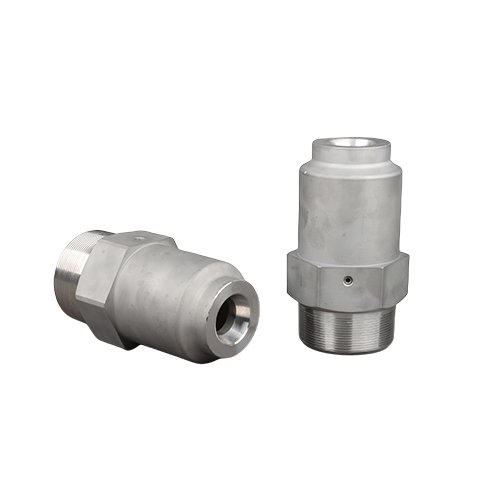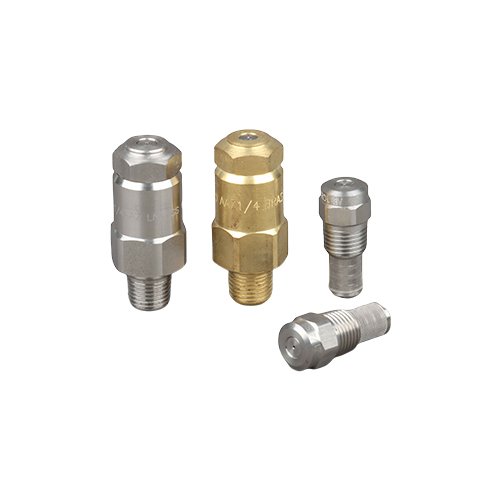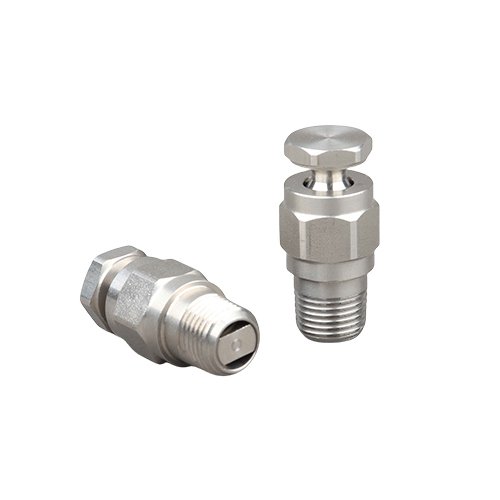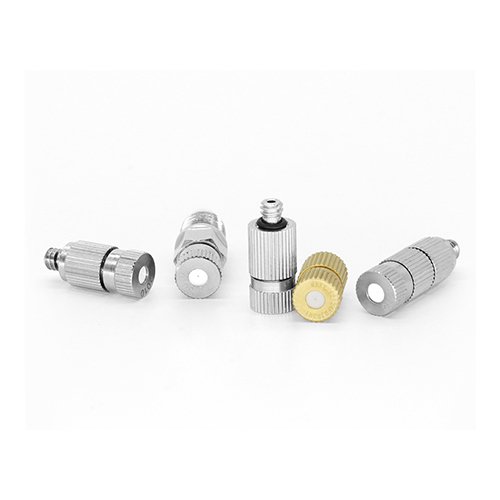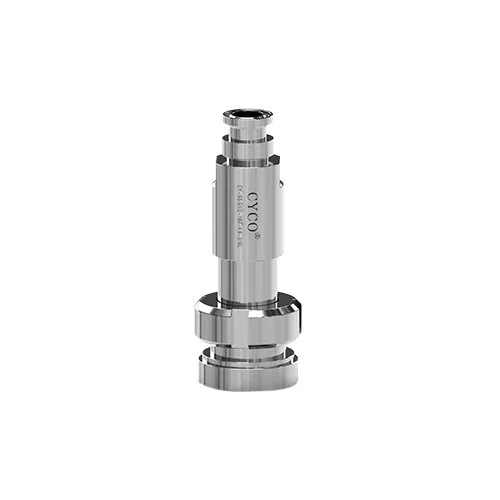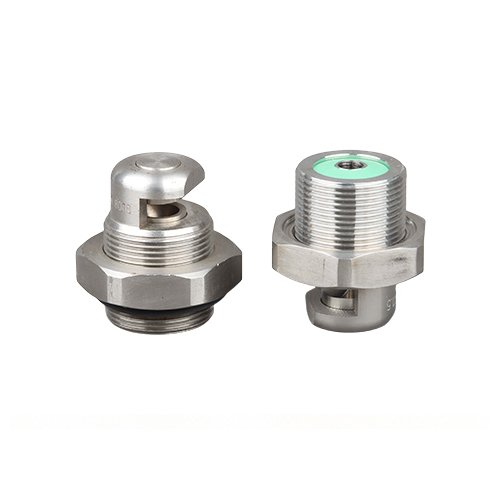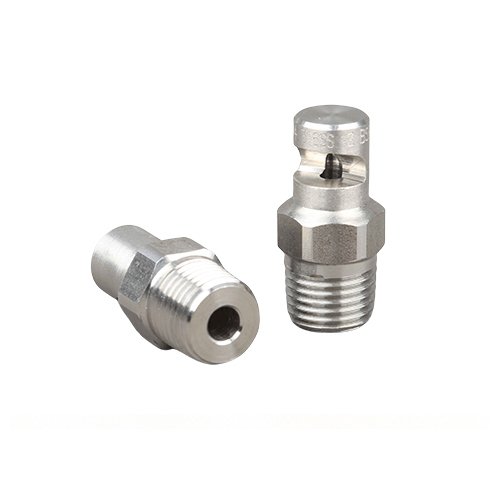
Cleaning nozzles play an important role in industrial cleaning, but in the course of use, nozzles may have various failures.This article will discuss the common cleaning nozzle failure and its solution to help users better maintain and use the nozzle.

Clogging
Mainly caused by impurities, particles or deposits in the cleaning solution. Clogging can affect the cleaning effect of the nozzle, or even lead to complete failure of the nozzle.
Solutions:
1. Clean the nozzle regularly, use a soft brush or a fine needle to remove the clogging.
2. Install a filter to remove impurities from the cleaning solution.
3. Use the recommended cleaning fluid, avoiding incompatible fluids or those containing large amounts of impurities.
Wear
Caused by prolonged use or high-frequency operation, manifested by a larger nozzle outlet and weakened spraying effect.
Solutions:
1. Regularly check the nozzle and replace it as soon as wear is found.
2. Select a nozzle material with good abrasion resistance, such as ceramic or silicon carbide.
3. Adjust the cleaning pressure and flow rate to avoid excessive pressure and flow rate to accelerate nozzle wear.
Leakage
Caused by deteriorated or damaged seals or improper installation. Leaks not only affect cleaning results, but can also lead to wasted resources.
Solutions:
1. Inspect seals regularly and replace them if they are found to be deteriorated or damaged.
2. Ensure proper installation of the nozzle to avoid over-tightening or poor installation.
3. Select high quality seals and nozzles to ensure their performance and durability.
Angle Shift
May be caused by improper installation, external impact or prolonged use. An offset spray angle can affect cleaning results and coverage.
Solutions:
1. Regularly check the installation angle of the nozzle to ensure that it corresponds to actual requirements.
2. Avoid external impacts on the nozzle to ensure that it works in a safe environment.
3. Adjust or replace the nozzle in time if the spray angle is found to be shifted.
Loose or Detached
Caused by poor installation, damaged threads or prolonged vibration. This not only affects cleaning results, but can also lead to production accidents.
Solutions:
1. Ensure that the nozzle is installed correctly to avoid over-tightening or poor installation.
2. Use a locking agent or lockwasher to enhance thread tightening.
3. Check the installation of the nozzle periodically to ensure that it is secure and reliable.
4. Replace the nozzle promptly if thread damage is found.
Summary and Recommendations
The following measures are recommended to ensure proper operation of the cleaning nozzle and to extend its service life:
1. Read the product manual before use to ensure proper use and maintenance of the nozzle.
2. Select a nozzle type and material that matches your cleaning needs.
3. Inspect and clean the nozzle regularly to ensure it is in good working condition.
4. Use recommended cleaning fluids and accessories to avoid damage to the nozzle from incompatible or low quality products.